2026 Best Bathroom Lights Ceiling Ideas for Your Home Decor?
When it comes to enhancing your home decor, "Bathroom Lights Ceiling" is often overlooked. Lighting can drastically change the atmosphere of any room, especially in a bathroom where style and function must coexist. According to renowned lighting expert Sarah Johnson, “The right ceiling lights can elevate a bathroom from practical to luxurious.” This insight emphasizes the importance of choosing suitable fixtures.
Today, we explore the best bathroom ceiling lighting ideas for 2026. A well-lit bathroom not only serves practical purposes but also adds to your home’s overall aesthetic. However, many homeowners make the mistake of selecting standard fixtures that fail to complement their decor. Reflecting on your choices can lead to a more cohesive and stylish space.
Incorporating various styles, such as modern, vintage, or minimalist, allows you to express your personality. However, finding the right balance can be challenging. It's essential to consider factors like size, brightness, and placement. Strive for a mix of beauty and utility. Each bathroom presents unique lighting challenges, and acknowledging this is a step toward creating your ideal sanctuary.
Top Trends in Bathroom Ceiling Lighting for 2026
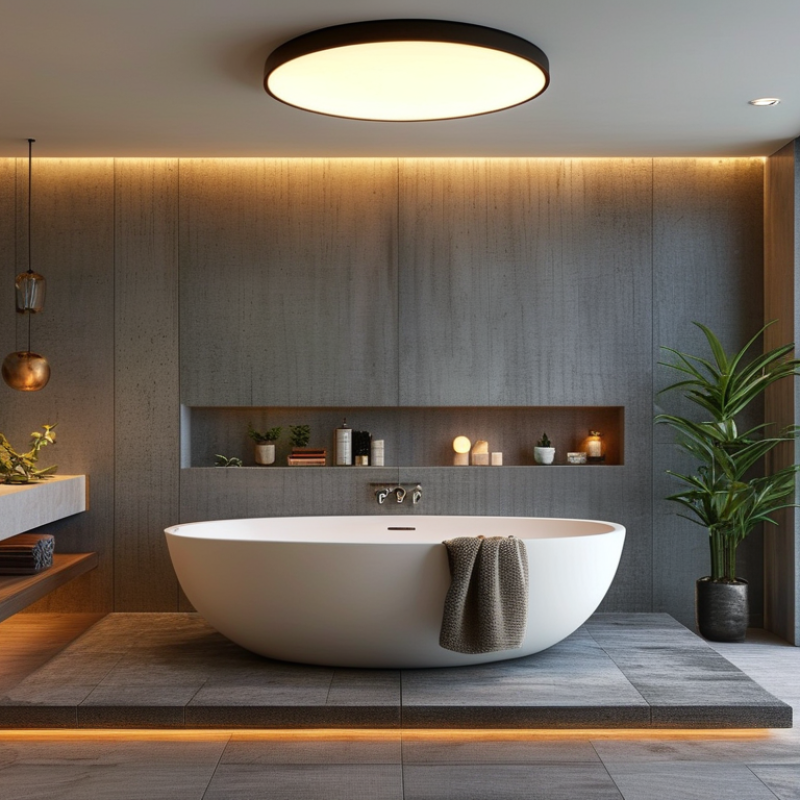
In 2026, the trends in bathroom ceiling lighting are evolving. Homeowners desire a blend of aesthetics and function. Soft, warm lighting is becoming popular for creating a relaxing atmosphere.
LED technology allows for dimmable options, giving users control over their environment. Textured ceiling fixtures bring depth, catching the eye while providing necessary illumination.
Natural materials such as wood and metal are gaining traction. These elements add a touch of rustic charm. However, finding the right balance is essential. Overdoing it can create a cluttered look. Minimalist designs with clean lines are also trending. They provide a sleek appearance that fits modern bathrooms.
Smart lighting is now a common feature in homes. Users can adjust settings with ease. The downside? Not everyone is tech-savvy. This can lead to frustration and wasted energy. It is crucial to ensure that the lighting complements the space. Thoughtful placement can enhance the overall experience while avoiding harsh glare.
Choosing the Right Style: Contemporary vs. Classic Lighting
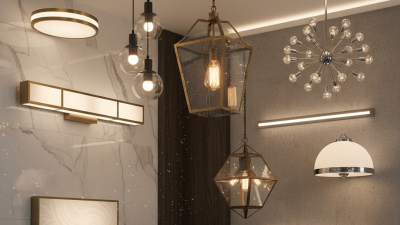
When choosing lighting for your bathroom, style plays a crucial role. Contemporary lighting often features sleek lines and minimalist designs. These fixtures can create a clean, modern look that enhances the feeling of spaciousness. Consider using shapes like geometric or asymmetrical designs. They provide a fresh twist to traditional lighting.
On the other hand, classic lighting brings warmth and elegance. Vintage-inspired sconces with intricate details can create an inviting atmosphere. Think about ornate finishes that complement other décor elements. However, be careful not to overdo it. A clash between contemporary and classic can feel chaotic. Balance is essential to maintain harmony in your space.
Consider your bathroom's size and layout before making a decision. A small room might benefit from brighter, streamlined fixtures. In contrast, larger spaces can handle bold, statement pieces. Reflect on your preferences and lifestyle. Your final choice should resonate with you, creating a personal oasis in your home.
Energy-Efficient Lighting Options for Eco-Friendly Bathrooms
When designing an eco-friendly bathroom, energy-efficient lighting is crucial. According to the U.S. Department of Energy, lighting accounts for about 15% of a household's electricity usage. By selecting energy-efficient fixtures, homeowners can significantly reduce this impact.
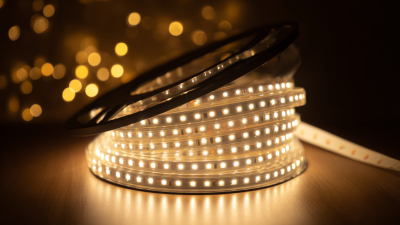
LED lighting offers an excellent solution as it uses up to 80% less energy than traditional incandescent bulbs. Moreover, LED lights have a longer lifespan, often lasting up to 25,000 hours.
Implementing smart lighting systems can further enhance energy savings. These systems allow homeowners to control lights remotely or set timers, ensuring switches are off when the bathroom is not in use. The market for smart lighting has been growing, with a projected CAGR of 23% through 2025. This push for technology also supports environmental goals. Smaller changes, such as using dimmers or motion sensors, can also make a noticeable difference.
Even with these advancements, many consumers still overlook proper energy audit practices. Many homeowners fail to assess their current lighting efficiency. This can lead to missed savings opportunities, as they could be using more energy than necessary. Streamlining lighting choices while emphasizing energy conservation can elevate your bathroom's style and sustainability.
Incorporating Smart Technology into Bathroom Lighting Designs
Smart technology is revolutionizing bathroom lighting designs. Today's options are not just functional; they enhance the overall experience. Many homeowners now seek lights that adapt to their routines. Motion sensors can activate lights when you enter the room. This simple feature adds convenience and efficiency to daily tasks.
Smart bulbs offer versatility too. With remote controls or smartphone apps, you can customize brightness and color. Imagine relaxing in a warm, soft glow after a tiring day. Alternatively, you might choose bright, energizing light for morning routines. The choice is yours.
However, integrating these technologies might feel overwhelming. A poorly executed setup can lead to confusion and frustration. Consider existing wiring and fixtures before diving in. Some older homes may not accommodate new technology easily. A professional consultation could guide this process. Installing smart lighting shouldn't become a source of stress. Aim for a harmonious blend of functionality and style. Embracing smart technology in bathroom lighting can elevate both ambiance and utility.
Tips for Layering Lighting Effectively in Your Bathroom Space
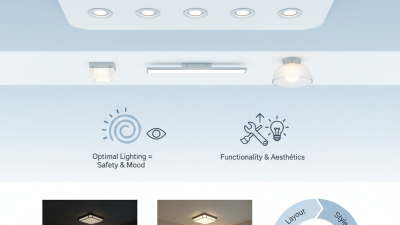
Layering lighting in your bathroom is essential for both functionality and aesthetics. According to a recent study by the American Lighting Association, 62% of homeowners report improved satisfaction with their spaces when they layer lighting effectively. This technique combines ambient, task, and accent lighting, creating a balanced and versatile atmosphere. For instance, ceiling fixtures provide general illumination, while wall sconces offer focused lighting around mirrors.
To implement this, consider the height and placement of your fixtures. Ambient lighting should be bright but soft. Use dimmable ceiling lights to adjust the mood. Task lighting, like sconces flanking mirrors, should enhance visibility when grooming. Statistics show that well-placed task lighting can reduce the risk of accidents by 25%. Accent lighting can highlight artwork or architectural details, adding depth to the space.
Reflection is key in design. Many homeowners underestimate the importance of light color. A cooler light may make the space feel sterile, whereas warmer tones create coziness. Yet, selecting the right bulbs can be challenging. Issues like bulb lifespan and color rendering can complicate decisions. Take your time to test different combinations to find what truly works for your space.