2026 Best Indoor Led Lights for Your Home What to Choose?
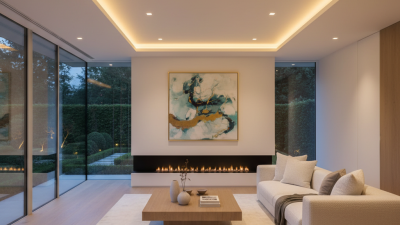
Indoor LED lights are becoming a popular choice for homeowners looking to enhance their living spaces. These lights offer a versatile way to brighten rooms while being energy efficient. The market is filled with various styles and designs, making it hard to select the right option.
When choosing indoor LED lights, consider factors like brightness, color temperature, and energy consumption. For instance, warm white lights create a cozy ambiance in a living room, while cool white lights are ideal for workspaces. The challenge lies in finding a balance between aesthetics and functionality.
Not every option suits every home. Some designs may not complement your existing decor. It's essential to reflect on personal preferences and room usage. Ultimately, the right choice can transform your indoor environment completely, while the wrong one might leave you dissatisfied. The journey to finding the perfect indoor LED lights can be a process of trial and error.
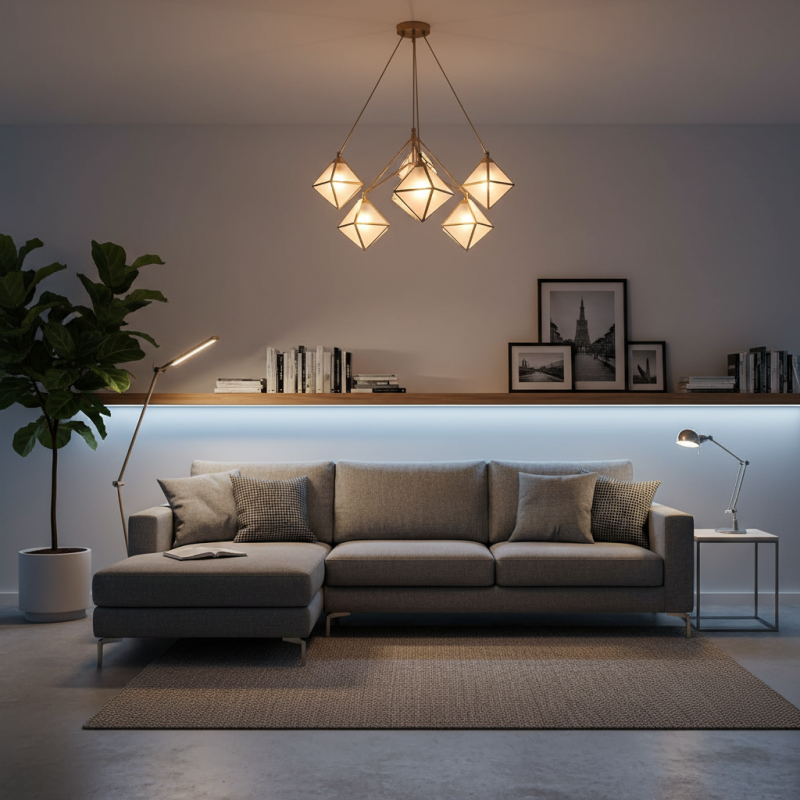
Understanding Indoor LED Lighting: Benefits and Features
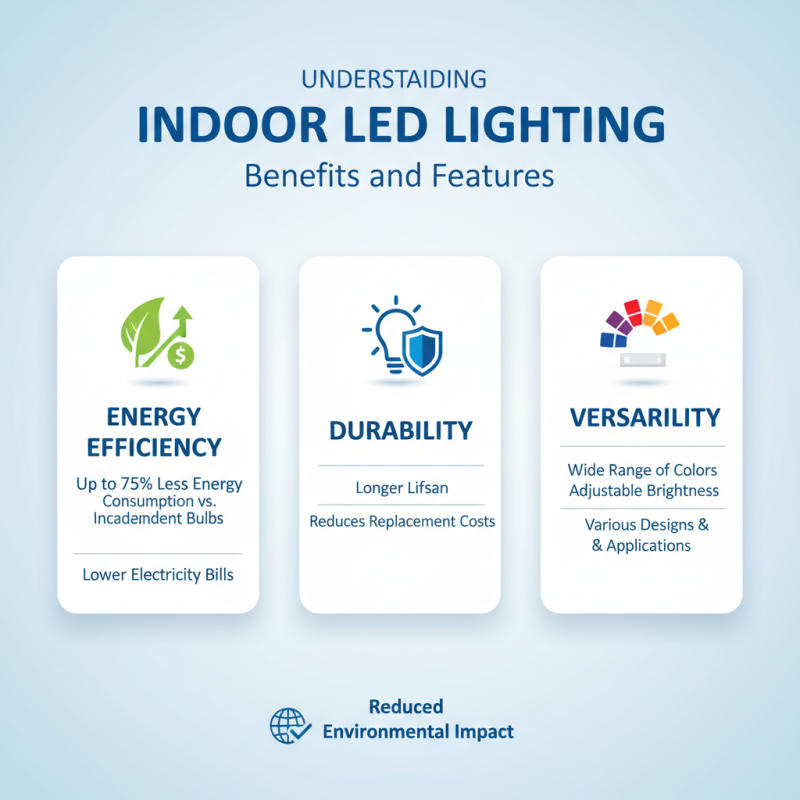
Indoor LED lighting has gained immense popularity due to its numerous benefits. These lights offer energy efficiency, durability, and versatility. Reports indicate that LED lights consume up to 75% less energy than traditional incandescent bulbs. This can significantly lower electricity bills and reduce environmental impact.
A significant feature of LED lighting is its longevity. Many LED bulbs can last for 25,000 hours or more. In contrast, incandescent bulbs may last only 1,000 hours. This means fewer replacements and less waste. However, it's essential to choose the right type of LED fixture for each room to enjoy optimal benefits.
Tips: Consider color temperature when choosing your LED lights. Warmer tones can create a cozy atmosphere, while cooler tones promote alertness. Also, dimmable LEDs offer flexibility, catering to different moods and activities. Be aware, though, that cheaper options may not provide the same quality of light or longevity. Always weigh cost against performance to avoid disappointment.
Types of Indoor LED Lights: A Comprehensive Overview
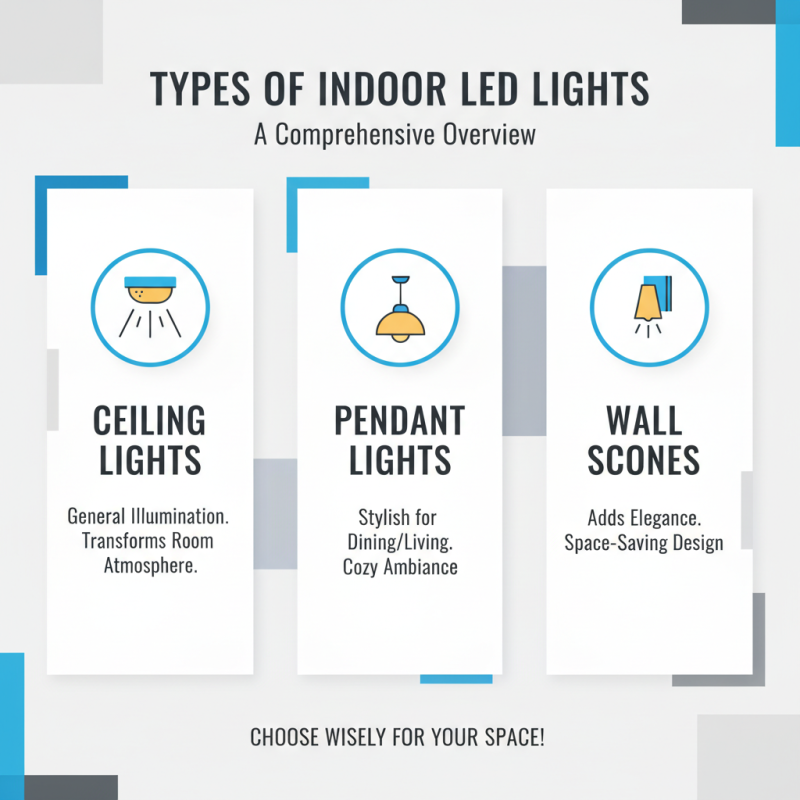
When choosing indoor LED lights, understanding the different types available is essential. Ceiling lights, for example, provide general illumination. They can transform a room's atmosphere. Pendant lights are stylish options for dining and living spaces. They hang from the ceiling, creating a cozy ambiance. Wall sconces add a touch of elegance. These lights save space while enhancing the room's design.
Task lighting is another important category. Desk lamps or under-cabinet lights help with focused tasks. They are practical but must not strain your eyes. Additionally, floor lamps can create a warm and inviting corner in your home. It's vital to choose the right brightness. Too bright can feel harsh, while too dim can lead to frustration.
Selecting the perfect indoor LED lights can feel overwhelming. Each option has its own merits and drawbacks. Not all lights suit every space. Some may clash with your decor, while others may not provide adequate lighting. Reflecting on your needs before making a decision is crucial.
Factors to Consider When Choosing Indoor LED Lights
When choosing indoor LED lights, several factors need your attention. Brightness is crucial. Measure your space in square feet. A small room might only need 800-1,200 lumens, while larger spaces require more. Don't forget to consider color temperature; it impacts the room’s mood. Warmer tones create a cozy atmosphere, while cooler tones encourage alertness.
Another factor is energy efficiency. Look for LEDs that use minimal watts but provide ample brightness. This small detail affects monthly bills and your carbon footprint. Design style also plays a role. Choose fixtures that complement your decor. A modern chandelier may not fit in a rustic space. Remember, light distribution is important too. Some fixtures may cast shadows or create uneven lighting.
Lastly, keep in mind the lifespan of your chosen lights. While they generally last long, it's good to reflect on their performance over time. Some may flicker or dim prematurely. This can be frustrating. A little research can save time and money in the future. Balancing all these factors will guide you to make a well-informed choice.
2026 Best Indoor LED Lights for Your Home - Comparison Table
| Light Type |
Brightness (Lumens) |
Color Temperature (Kelvin) |
Wattage |
Lifespan (Hours) |
Energy Efficiency |
| LED Bulb |
800 |
3000 |
10 |
15000 |
A+ |
| Recessed Light |
600 |
4000 |
9 |
25000 |
A++ |
| LED Strip |
1200 |
2700 |
24 (per 5m) |
50000 |
A++ |
| Table Lamp |
400 |
3000 |
5 |
20000 |
A+ |
| Ceiling Light |
1000 |
5000 |
15 |
30000 |
A++ |
Top Brands and Models of Indoor LED Lights for 2026
When choosing indoor LED lights for your home in 2026, consider the wide range of options available. Focus on types like recessed lights, floor lamps, and smart bulbs. Each type caters to different needs and atmospheres. Brightness, color temperature, and energy efficiency are key factors. Find a balance that works for your living space.
A common mistake is overlooking the light's purpose. Will it be for reading or ambiance? Select lights that complement the function of each room. For those who enjoy smart technology, integrating LED lights with home automation can enhance convenience and comfort. But remember, not all smart systems are user-friendly.
Tip: Always test lighting in your own space. How does it change the mood? Observe how it interacts with wall colors and furniture. Don't be afraid to mix different light types. Sometimes, achieving the right vibe means experimenting. Be mindful of your choices, as poor lighting can impact your daily life more than you might realize.
Indoor LED Lights Comparison 2026
Installation and Maintenance Tips for Indoor LED Lighting Systems
When installing indoor LED lighting systems, planning is essential. Identify key areas in your home that require lighting. Consider the brightness needed for each space. For example, kitchens need bright lighting, while bedrooms prefer softer illumination. Measure your areas accurately to avoid mismatched light sizes.
During installation, use proper tools. Following the manufacturer’s guidelines will help in achieving a seamless setup. Ensure to check the wattage of your LED lights. Using a higher wattage than needed can lead to unexpected energy bills. It’s wise to test the positioning before finalizing. Adjusting angles can enhance the overall ambiance.
Maintenance is often overlooked. Regularly check for dust accumulation on fixtures. This can affect the light output. Sometimes, changing the position of lights can provide better coverage. Reflecting on the areas of improvement helps in optimizing your lighting. Don't hesitate to revisit your setup after a few months. Light needs change over time, and so should your lighting plan.