2026 Top LED Decorative Lights Trends What Buyers Need to Know?
As we approach the year 2026, the world of LED decorative lights continues to shine brightly. Industry expert Sarah Johnson emphasizes, "LED decorative lights are not just about illumination. They create moods and transform spaces." This statement captures the essence of how these lights enhance our environments.
New trends in LED decorative lights are emerging. Buyers now seek energy-efficient options that blend style and functionality. Features like smart controls and customizable colors are gaining popularity. However, many consumers struggle to keep up with rapid advancements. The market is evolving, and what was trendy last year may no longer appeal.
It's crucial to consider the quality and durability of these lights. Many products may look appealing but could compromise performance. The right choice can make a space feel inviting and full of life. However, poor-quality options can lead to frustration and disappointment. Understanding these factors will help buyers make informed decisions about their LED decorative lights.
2026 LED Decorative Lights Trends: An Overview of Popular Styles
As we approach 2026, the trends in LED decorative lights indicate a vibrant shift in consumer preferences. A recent industry report highlights that 65% of consumers prefer energy-efficient lighting solutions. This growing demand is fueled by the dual desire for aesthetic appeal and eco-friendliness. Warm white LEDs are gaining popularity, often used in residential settings to create inviting atmospheres.
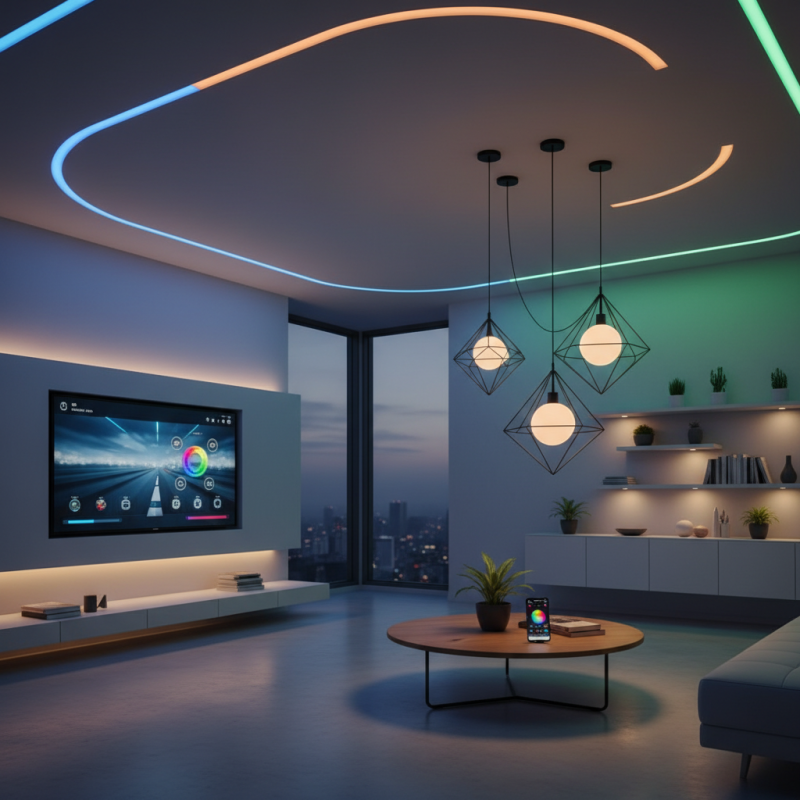
Additionally, technology is shaping design trends. Smart LED lights are on the rise, with a projected market growth of over 25% by 2026. These lights offer customizable colors and automation features, appealing to tech-savvy consumers. Many buyers appreciate the efficiency of controlling their lights with mobile apps. However, some may find the complexity overwhelming, as the learning curve can be steep.
Artistic designs are also catching attention. Unique shapes and vintage-inspired styles resonate with buyers looking to elevate their home decor. The tactile experience of lighted fixtures has become essential. Yet, not all designs are practical. Some users face issues with durability and power consumption. Balancing design with functionality remains a challenge for many consumers.
Key Features to Look for in LED Decorative Lights in 2026
In 2026, the market for LED decorative lights is booming. Buyers should focus on key features to make informed choices. Reports show that energy efficiency remains a top concern. LEDs consume up to 80% less energy than traditional lighting, making them an eco-friendly option. Brightness levels and color temperature play vital roles too. Look for adjustable color options. This versatility enhances ambiance and meets varied mood needs.
Consider the installation process. Simple setups save time and hassle. Some lights now come with wireless capabilities. This feature eases access to remote controls and smart home integration. The individual needs of each space matter. Choose lights based on room size and desired atmosphere.
Tips: Always check lumen output to ensure brightness aligns with your expectations. Look for user-friendly features. Durability is essential; those with longer lifespans reduce waste. However, don't overlook design and style, as aesthetics significantly impact the overall look of your decor.
2026 Top LED Decorative Lights Trends
This chart illustrates the key features that buyers are considering in the LED decorative lights market for 2026. The data reflects buyer preferences, highlighting the importance of smart features and energy efficiency.
Innovative Technologies Driving LED Decorative Lights in 2026
As we dive into 2026, innovative technologies are reshaping the landscape of LED decorative lights. According to industry insights, the global LED lighting market is projected to reach $136 billion by 2026, driven by advancements in smart lighting and energy efficiency. This is not just about aesthetics; it’s about sustainability. Decorative lights showcase various designs, from eco-friendly fixtures to smart systems that operate via mobile apps.
One noteworthy trend is the integration of smart technology into decorative lighting. Reports suggest that 34% of consumers now prefer lights that can be controlled remotely. Features like color temperature adjustment and programmable features enhance user experience. This shift towards user-centric design reflects the growing expectation for convenience and personalization in lighting solutions. However, many consumers still question the reliability of these technologies in long-term use.
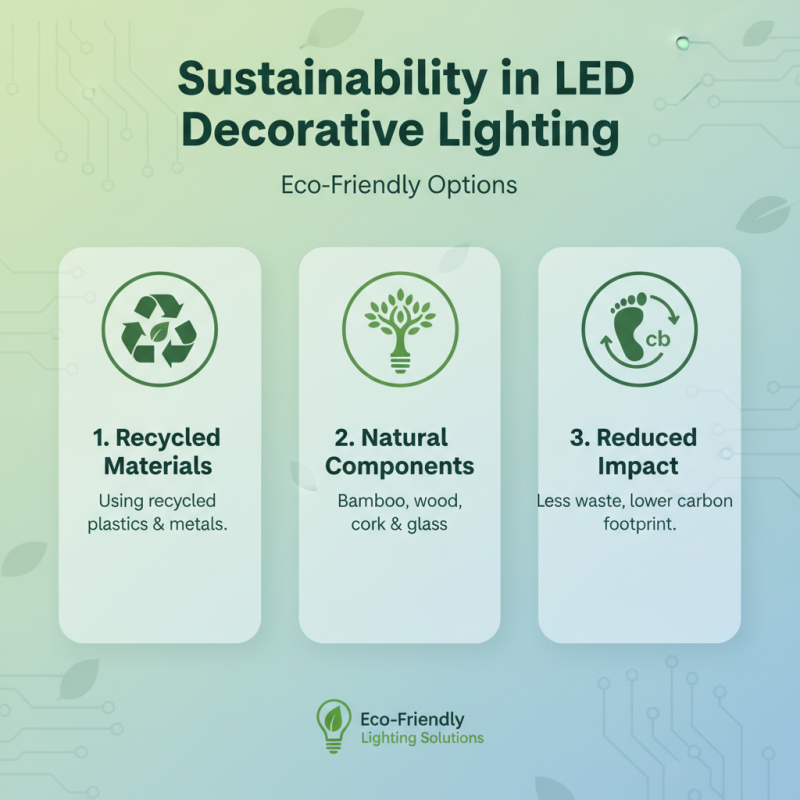
Additionally, research indicates that sustainability is a key driver of innovation. A 2022 study found that 70% of buyers prioritize eco-friendly options. Brightness, color quality, and energy consumption are now fundamental for consumers. But challenges remain, such as the need for standardization in energy ratings. The complexity of options can lead to decision fatigue among buyers. As the sector evolves, ongoing education about these technologies will be essential for informed purchasing decisions.
Design Tips for Incorporating LED Decorative Lights into Your Space
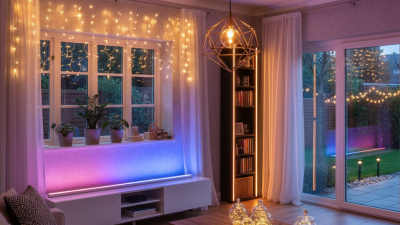
Incorporating LED decorative lights into your space can transform its ambiance. These lights offer versatility and style. Start by choosing locations that invite warmth. Think about highlighting architectural features or creating cozy corners. This way, the space feels inviting and intimate. For instance, draping lights around a window frame can create a dreamy atmosphere.
Layering is key when using LED lights. Mix different types of lighting to add depth to your design. Use string lights to wrap around plants or furniture. Combine them with spotlights for focused illumination in certain areas. Experimentation is essential. You might find that some placements work better than others. Adjusting their positions can lead to surprising effects on the mood of the room.
Don’t be afraid to explore colors. Warm tones create a relaxing vibe, while cool hues can energize a space. Test various combinations to see what resonates with you. However, it’s important to remember that balance is crucial. Too many bright lights can overpower the aesthetic. Aim for harmony to ensure the lights complement rather than overwhelm your decor. Your space should reflect your personality, so make thoughtful choices.