What are the Benefits of Using Led Decorative Lights?
In recent years, Led Decorative Lights have revolutionized the way we enhance our spaces. According to a report by the Lighting Research Center, the market for decorative LED lighting is expected to grow by over 30% in the next five years. This surge reflects a widespread acknowledgment of the benefits they provide, both aesthetically and environmentally.
“I believe that LED decorative lights will reshape our living spaces,” says Dr. Emily Carter, a renowned lighting technology expert. The vibrancy and versatility of these lights appeal to homeowners and businesses alike. They consume significantly less energy compared to traditional lighting, resulting in lower electricity bills and a smaller carbon footprint.
However, some consumers still overlook the long-term advantages. While the initial cost may be higher, the lifespan of LED lights can surpass 25,000 hours. This durability means fewer replacements and less waste. As we embrace innovation, it’s crucial to weigh both the immediate and future benefits of LED decorative lights. Are we ready to fully integrate this technology into our lives?
Advantages of LED Decorative Lights Over Traditional Lighting Options
LED decorative lights offer several advantages over traditional lighting options. They consume less energy, which means lower electricity bills. This energy efficiency is not just good for your wallet; it's also better for the environment. LED lights last much longer than incandescent bulbs. Many can shine for over 25,000 hours. That’s a huge difference!
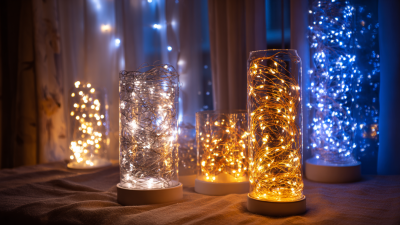
In addition to their longevity, LED lights are more versatile. They come in various colors and designs, perfect for any occasion. You can easily customize your space for holidays or events. They also produce less heat, making them safer to use in tight spaces. However, some might find the initial investment higher. It’s a change that requires consideration.
The brightness of LED lights can also be a double-edged sword. While they are vibrant, some may prefer the soft glow of traditional bulbs. It’s essential to find a balance. The technology is advancing rapidly, but not everyone is ready to embrace it fully. Each choice comes with pros and cons, leaving room for personal reflection.
Energy Efficiency and Cost Savings of LED Lights
LED decorative lights offer significant energy efficiency and cost savings. These lights consume up to 80% less energy than traditional incandescent bulbs. Their long lifespan, often exceeding 25,000 hours, means fewer replacements and lower maintenance costs. Over time, this can lead to considerable savings on energy bills.
When using LED lights, consider your space. Task lighting can benefit from bright white LEDs, while soft colors work well for ambiance. Dimming capabilities in some LED models allow for more control over energy use. When you don’t need full brightness, dimming helps save even more.
Tip: Always check the lumen output when purchasing LED lights. Brightness varies between types. Choose bulbs that match your needs for the best effect. Remember, not all rooms are the same. Some areas may require more light than others. Experiment with placements to find what works best for you.
What are the Benefits of Using Led Decorative Lights? - Energy Efficiency and Cost Savings of LED Lights
| Feature |
Benefit |
Estimated Savings (%) |
Lifespan (Hours) |
| Energy Efficiency |
Uses up to 75% less energy than traditional bulbs |
75% |
25,000 - 50,000 |
| Cost Savings |
Lower electricity bills |
Up to $100 per year |
N/A |
| Durability |
More resistant to impacts and vibrations |
N/A |
Up to 50,000 |
| Variety of Colors |
Wide range of colors for decorative purposes |
N/A |
N/A |
| Lower Heat Emission |
Safer with a reduced risk of burns |
N/A |
N/A |
Versatility: Uses of LED Lights in Various Settings and Events
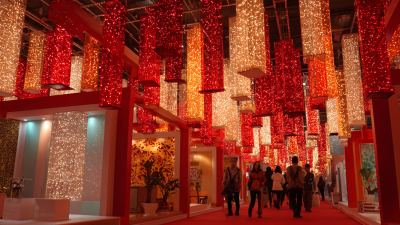
LED decorative lights are gaining popularity for their versatility in various settings. From home decor to festive events, their applications are diverse. According to a recent industry report, the global LED lighting market is expected to reach $110 billion by 2027. This growth is fueled by the increasing demand for energy efficiency and unique lighting solutions.
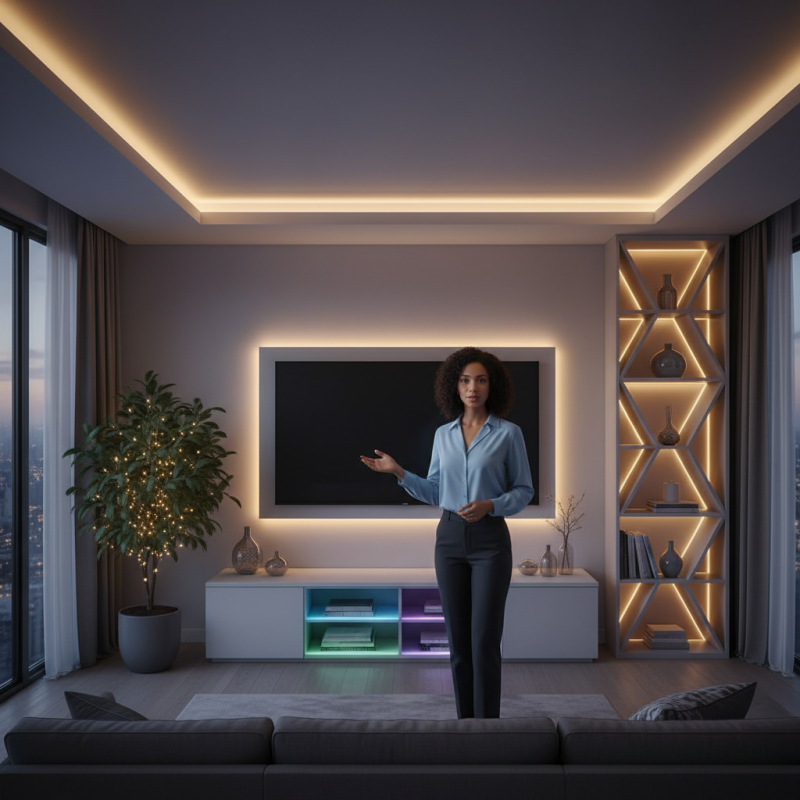
In residential settings, LED lights can enhance ambiance. They can be strategically placed in living rooms, bedrooms, or gardens. The soft glow creates a cozy atmosphere. For events like weddings or parties, LED lights provide a vibrant and colorful experience. They can be used in centerpieces, backdrops, and even dance floors. A notable statistic shows that events utilizing LED decorations see a 30% increase in guest satisfaction.
**Tip:** Choose LED lights with adjustable brightness and color to suit different moods and occasions.
However, there are pitfalls to consider. Not all LED lights deliver the same quality of light. Some may have a harsh glare or poor color rendering. It pays to invest in quality products. Additionally, mixing LED lights with other types can lead to inconsistency in brightness and color. This can detract from the overall effect you aim for.
**Tip:** Always test new LED lights in your space before doing a full installation.
Impact of LED Decorative Lights on Ambiance and Aesthetics
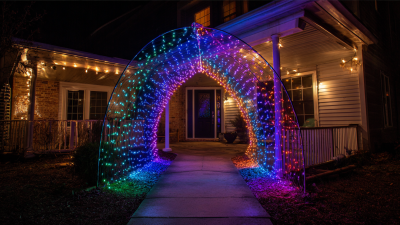
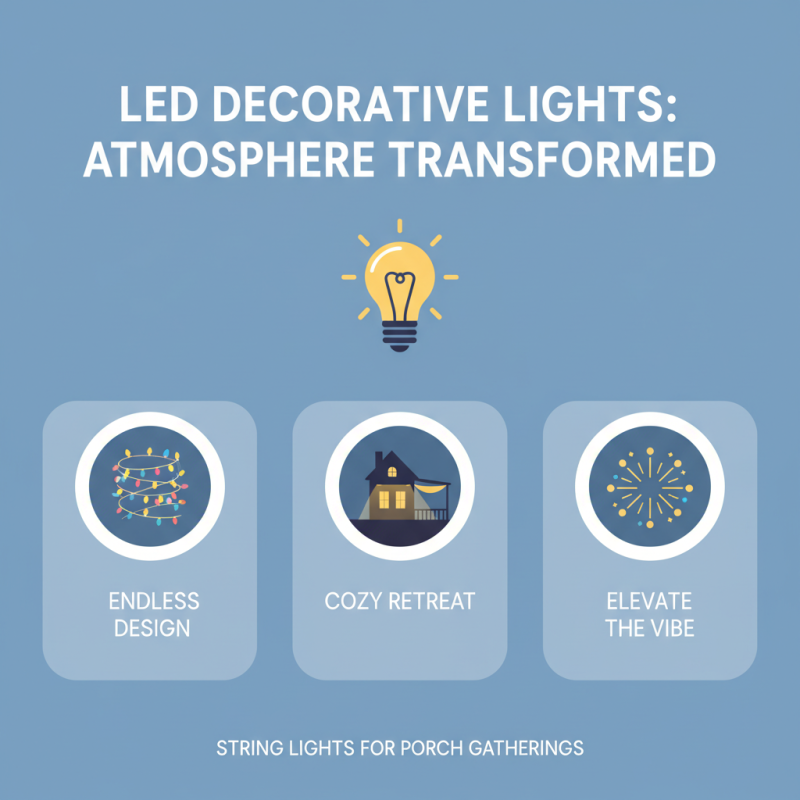
LED decorative lights play a significant role in shaping the atmosphere of any space. These lights come in various colors and styles, allowing for endless design possibilities. When arranged thoughtfully, they can transform an ordinary room into a cozy retreat. Consider string lights draped across a porch, creating a warm and inviting environment for evening gatherings. A simple touch can elevate the overall vibe.
Not all LED lights are equal in quality or effect. Sometimes, the brightness can feel overwhelming in smaller spaces. Dimmer options could enhance intimacy, rather than flooding the area with light. Experimenting with placement is essential. A poorly positioned light can cast harsh shadows, detracting from the desired ambiance. The right arrangement can promote relaxation or celebration, depending on the occasion.
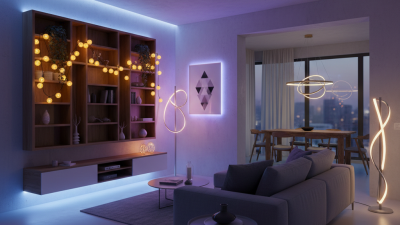
Incorporating LED decorative lights into a home also invites creativity. They can highlight architectural features or artwork, providing a visually pleasing experience. However, it’s crucial to reflect on the environmental impact. While LED lights are energy-efficient, their production still consumes resources. Seeking a balance between aesthetics and sustainability is a constant challenge.
Environmental Benefits of Choosing LED Lighting Solutions
LED decorative lights are a popular choice for many reasons. One significant advantage is their environmental impact. Using LED lights can lead to reduced energy consumption. They require less electricity compared to traditional bulbs. This change can lower your carbon footprint. In turn, it contributes to a healthier planet.
Moreover, LED lights have a longer lifespan. They can last up to 25 times longer than incandescent bulbs. This longevity means fewer discarded bulbs. Fewer bulbs equal less waste in landfills. However, it’s important to consider the materials used in LED manufacturing. Some may not be recyclable. This aspect can complicate the overall environmental benefits.
LED lights also operate more efficiently. They produce less heat, making them safer and cooler. This feature can reduce the need for additional cooling in homes. Using less energy can save money over time. Yet, one must reflect on the initial investment costs. While savings come later, the upfront price can deter some individuals.