How to Choose the Best Led Bathroom Lights for Your Home?
Choosing the best LED bathroom lights for your home can transform your space dramatically. According to lighting expert Michael S. Johnson, "Lighting can enhance the mood and functionality of any room." The right LED bathroom lights not only brighten the area but also provide a stylish accent to your decor.
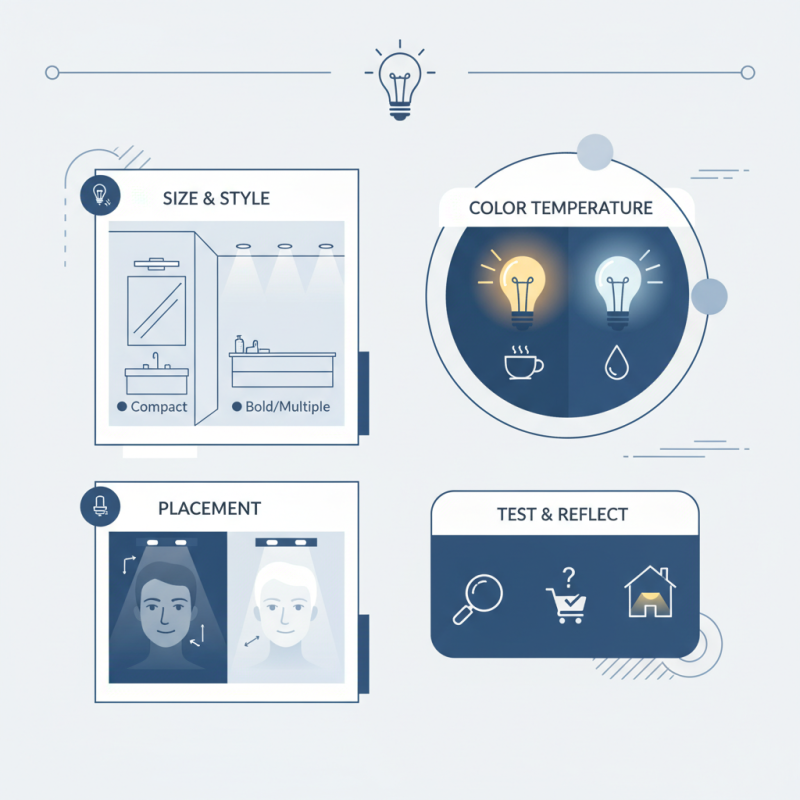
When selecting fixtures, consider the size and style of your bathroom. For smaller spaces, sleek, compact designs work best. Larger bathrooms can host bold designs or multiple light sources. The color temperature of LED lights also matters; warm whites create a cozy atmosphere, while cooler tones offer a refreshing feel.
However, many homeowners overlook the placement of their lighting. Poorly positioned lights can cast unflattering shadows. It’s essential to think about where you need light and how it will affect your daily routines. While choosing LED bathroom lights seems straightforward, the details require careful thought. Consider testing various options. The perfect light can be elusive, and sometimes what looks good in the store doesn't perform well at home.
Factors to Consider When Choosing LED Bathroom Lights
When selecting LED bathroom lights, several factors play a vital role. One of the primary considerations is brightness. The right amount of lumens ensures a well-lit space. You want your bathroom to feel bright but not blinding. Too dim lights might lead to accidents during grooming.
Color temperature also matters. Warmer temperatures, around 2700K to 3000K, create a cozy atmosphere. Cooler temperatures can feel sterile. Think about how you want your space to feel. A balance between functionality and comfort is essential.
Tips: Consider using dimmable options. This flexibility allows for mood adjustments. Also, think about fixtures. Wall sconces can offer both style and utility. Finally, check the energy efficiency rating. This ensures longevity and reduces utility bills. Reflect on your choices, as they shape your daily routine in this personal space.
Types of LED Bathroom Lights and Their Features
When selecting LED bathroom lights, understanding the types available is essential. There are several options, each with unique features and benefits. Wall-mounted fixtures provide focused lighting and can save space. They work well in small bathrooms and provide a stylish touch.
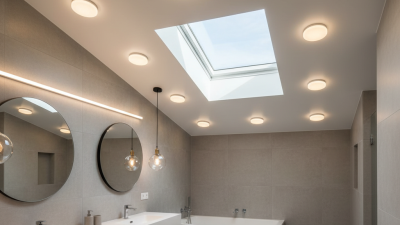
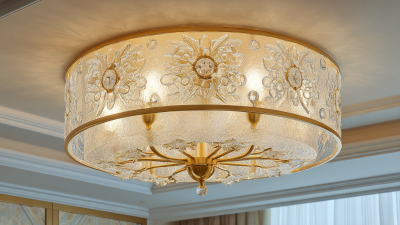
Ceiling lights, on the other hand, ensure overall brightness and open up space visually. You can find designs from sleek modern styles to classic layouts. It's vital to choose the right lumens for your space. Overly bright lights can feel harsh, while dim lights can create an unwelcoming atmosphere.
Tip: Consider the color temperature, too. Cool white light mimics daylight and is great for tasks. Warm white light offers a cozier feel, perfect for relaxation. Avoid mixing these tones in one space. It may lead to a confusing and inconsistent look. Reflect on your daily routines—this can guide your choices. The goal is a harmonious blend of function and aesthetics.
Ideal Brightness Levels for Bathroom Lighting
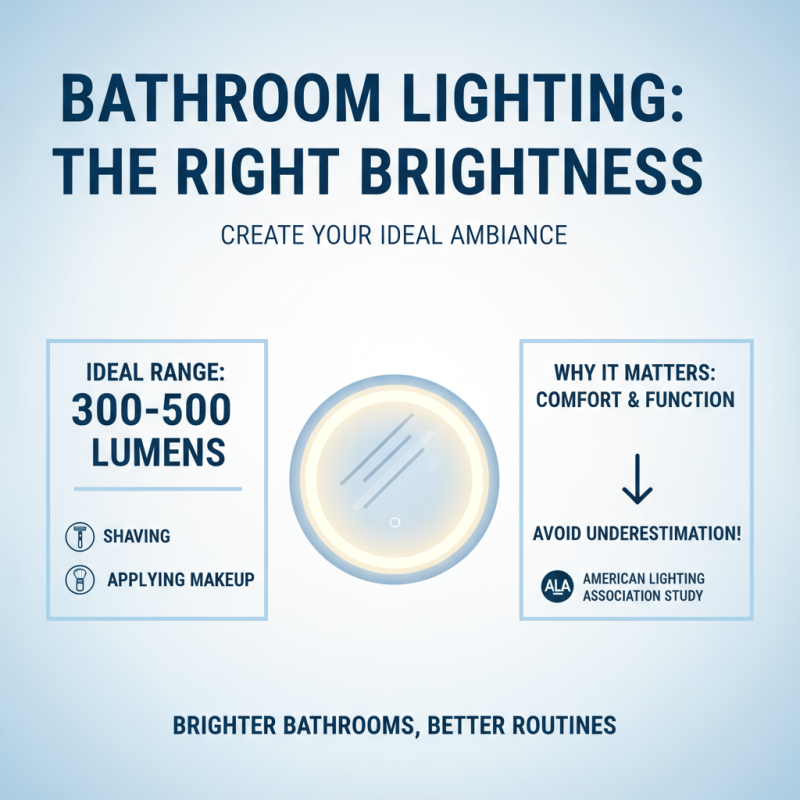
Choosing the right brightness for bathroom lighting is essential. The ideal level usually ranges from 300 to 500 lumens. This range creates a comfortable environment for daily routines, like shaving or applying makeup. A study by the American Lighting Association suggests that many homeowners underestimate the importance of proper brightness.
Soft light can create a soothing atmosphere. However, it may not provide enough clarity. Conversely, lights that are too bright can be harsh and uninviting. It's a delicate balance to strike. The color temperature is also key. A range of 2700K to 3000K mimics natural light effectively. This warmth promotes relaxation while ensuring visibility.
**Tip:** Check your lighting fixtures' wattage to ensure they meet your brightness needs without overwhelming the space.
Consider layering your lighting. Combining ambient, task, and accent lights enhances functionality. Different activities demand different lighting styles. Experimenting with various light sources can help you find what feels right.
**Tip:** Use dimmers to adjust brightness levels according to your mood and tasks.
Energy Efficiency and Cost-Effectiveness of LED Lights
When choosing LED bathroom lights, energy efficiency is a crucial factor. LED lights consume up to 75% less energy than incandescent bulbs. This efficiency translates to significant cost savings. According to the U.S. Department of Energy, replacing a single 60-watt incandescent bulb with a 10-watt LED can save approximately $55 in electrical costs over its lifetime. This is compelling data for homeowners.
The lifespan of LED lights also deserves attention. While incandescent bulbs last about 1,000 hours, LEDs can last up to 25,000 hours. This longevity not only reduces replacement costs but also minimizes waste. However, it's essential to consider that not all LED lights are created equal. Some cheaper options may have shorter lifespans. This unpredictability makes selecting high-quality products imperative.
Additionally, the upfront cost of LED lights can be higher. Consumers may hesitate to invest initially, but the long-term savings often outweigh these concerns. In some instances, people overlook the importance of light color temperature. Warmer lights can create a soothing ambiance in the bathroom. Choosing the wrong color temperature could lead to dissatisfaction, highlighting the need for informed decisions.
How to Choose the Best Led Bathroom Lights for Your Home?
| Type of LED Light |
Wattage |
Lumens |
Color Temperature (K) |
Energy Efficiency (kWh/year) |
Average Cost ($) |
| Recessed LED Lights |
12W |
800 |
3000K |
35 |
25 |
| Vanity LED Lights |
10W |
700 |
4000K |
30 |
30 |
| Wall Sconces |
15W |
1000 |
3500K |
40 |
35 |
| LED Strip Lights |
5W |
400 |
2700K |
25 |
20 |
| LED Ceiling Lights |
18W |
1200 |
5000K |
50 |
40 |
Choosing the Right Style and Design for Your Bathroom Décor
When selecting LED bathroom lights, style and design play a crucial role. The right lighting can enhance the bathroom’s aesthetic appeal. A report by the American Lighting Association indicates that 80% of homeowners prioritize design over energy efficiency in their lighting choices. Soft, warm tones can create a calming atmosphere, ideal for spaces dedicated to relaxation. However, overly bright lights may make the space feel sterile or unwelcoming.
Incorporating fixtures that complement bathroom décor is essential. Minimalist designs often work well in contemporary spaces, while ornate fixtures can enhance traditional settings. A survey by Houzz found that 60% of homeowners wish to improve their bathroom's visual style. Designers suggest using layered lighting: task lights for functionality and ambient lights for mood. This approach addresses both form and function, though it may require more planning and investment.
Choosing the right colors also matters. Cool tones, like blues or greens, can feel refreshing but too much can seem cold. Balancing light with décor is a long-term commitment. Fixtures must not only look good but also endure humidity. Often, people overlook maintenance needs, which can lead to dissatisfaction. Carefully evaluating style, color, and function can make the process smoother, leading to a more enjoyable bathroom experience.