2026 Best Led Strips for Global Buyers to Consider
In recent years, Led strips have gained immense popularity among consumers for their versatility and convenience. According to industry expert Dr. Emily Carson, "LED strips can easily transform any space with brilliant colors and energy efficiency." This statement highlights the innovative nature of led strips, which offer endless possibilities for personal and commercial use.
These products come in various lengths and colors, enabling users to customize their lighting to fit their needs. Whether for mood lighting, decorative accents, or functional uses, led strips can enhance any environment. However, buyers should be aware of the quality differences among various brands. Not all products are created equal. It’s essential to invest time in researching the best options available.
As we navigate through the best led strips on the market in 2026, it’s crucial to consider both performance and safety. Factors such as brightness, color accuracy, and durability play significant roles in making the right choice. Additionally, the electrical requirements and heat output are important aspects that should not be overlooked. This article aims to provide a comprehensive overview, assisting global buyers in selecting the perfect led strips for their unique needs.
Overview of LED Strip Lights: Types and Uses
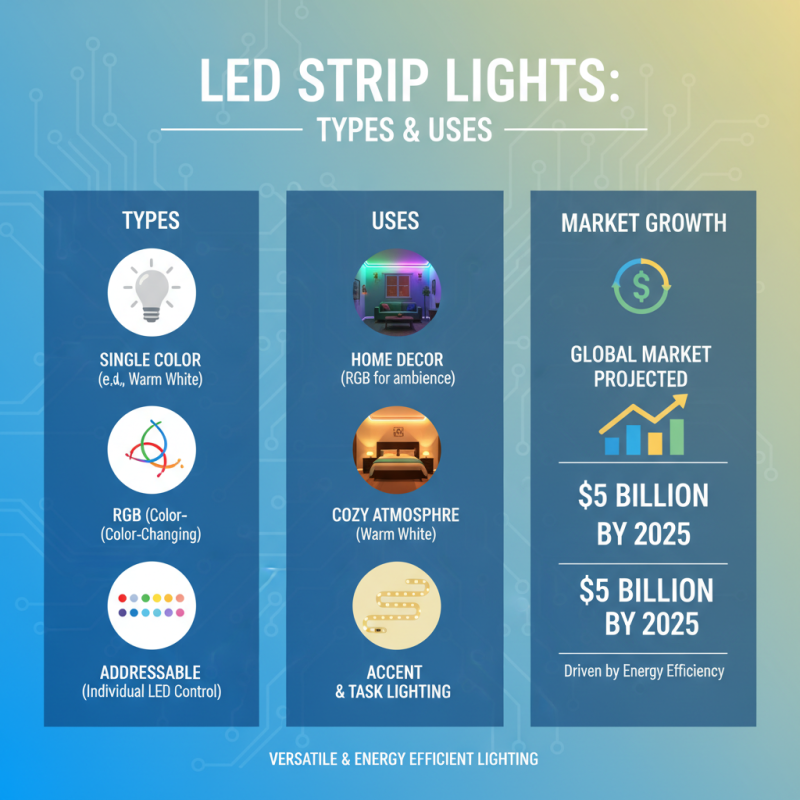
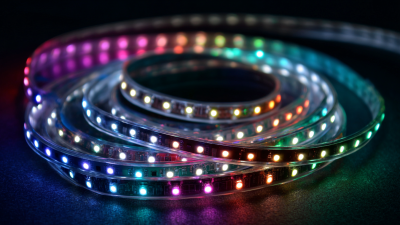
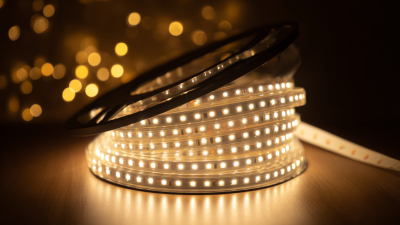
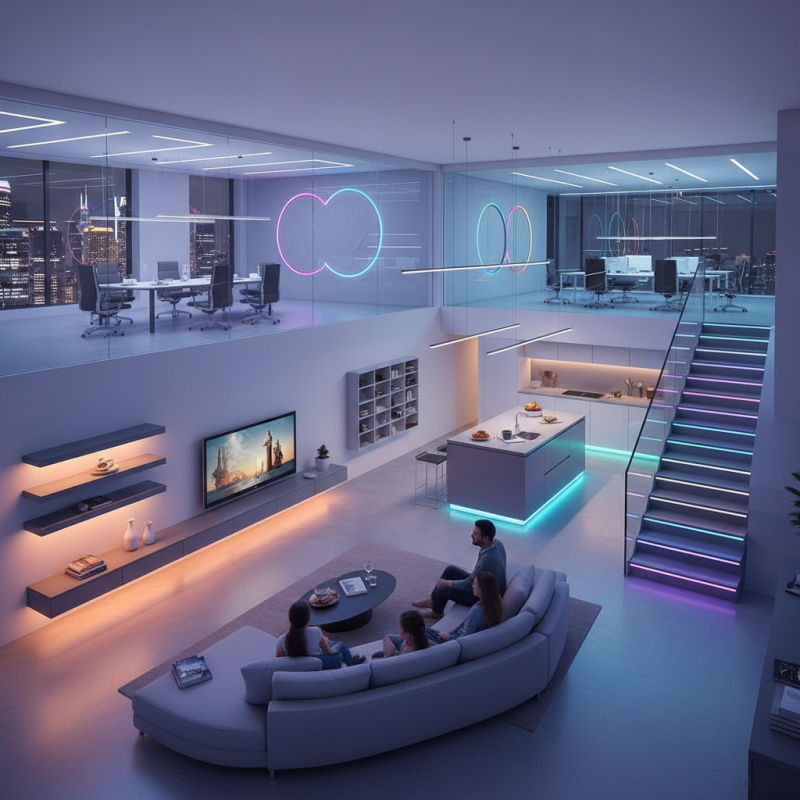
LED strip lights have gained immense popularity due to their versatility and energy efficiency. These strips come in various types, including single color, RGB, and addressable options. For home decor, RGB strips add vibrant colors to spaces. On the other hand, warm white strips create a cozy atmosphere. According to recent industry reports, the global LED strip light market is projected to reach $5 billion by 2025. This growth reflects a rising demand for energy-efficient lighting solutions.
Installation of LED strips is generally straightforward. They can be adhered to various surfaces, enhancing aesthetics without complex wiring. Interior designers increasingly utilize these strips for accent lighting. Outdoor applications also flourish, particularly for garden features and architectural highlights. However, energy consumption varies. For instance, while most strips draw low wattage, some specialty strips can consume significantly more. It's important to assess specific needs before purchasing.
The market does present challenges. Quality control and longevity of products can vary widely. Some budget-friendly options may not last long, leading to frustration. Choosing the right type involves understanding both utility and installation requirements. Gaining insight into customer reviews can provide valuable perspectives but may leave potential buyers overwhelmed. Making informed choices is crucial in a rapidly growing market.
Key Features to Look for in Quality LED Strips
When selecting LED strips, several key features significantly impact quality. Brightness is crucial. LEDs typically have a lumen output ranging from 200 to over 1000 lumens per meter. Understanding this helps determine the strip's suitability for your space. For instance, a strip with 500 lumens is ideal for cozy ambient lighting, while 1000 lumens fits well in task lighting areas.
Color temperature is another vital aspect. Most LED strips offer a range between 2700K and 6500K. The choice here influences mood and functionality. For relaxing environments, warmer temperatures are preferred, while cooler temperatures enhance focus. Industry data indicates that 75% of buyers choose strips based on their color temperature to match specific decor.
Moreover, reliability and durability matter. Look for quality ratings such as IP65 for protection against moisture and dust. Strips failing to meet these criteria often shorten lifespan and performance. It is also worth considering energy efficiency, measured in watts per meter. Research shows that efficient strips can save up to 30% on electricity costs compared to conventional lighting, promoting sustainable practices.
Top Brands for LED Strips in the Global Market
The global market for LED strips has witnessed significant growth in recent years. According to a report by Fortune Business Insights, the market size was valued at around USD 2.78 billion in 2020 and is projected to reach USD 5.73 billion by 2028. This surge highlights the increasing consumer demand for energy-efficient solutions in lighting. As more buyers consider LED strips, certain brands stand out due to their advanced technology and reliability.
In the competitive landscape of LED lighting, prominent brands often prioritize quality and performance. Many manufacturers invest in research and development to improve longevity and brightness. A report from Markets and Markets indicated that premium LED strips can offer up to 50,000 hours of usage. This statistic reveals the potential cost savings for consumers over time. However, not every product meets this standard, prompting consumers to be cautious when selecting options.
Personalization in LED strip usage has become essential. Many consumers seek options that fit their unique decor needs. Color temperature, brightness levels, and adhesive quality greatly impact the usability of these products. Some strips provide additional features like remote control capabilities. Yet, these attractive features sometimes come at a higher price. Customers often face tricky decisions between budgeting and quality. It's important to assess individual needs and weigh the pros and cons of each option.
2026 Best Led Strips for Global Buyers to Consider - Top Brands for LED Strips in the Global Market
| Feature |
Specification |
Length (meters) |
Lumens (Brightness) |
Color Options |
Connector Type |
| 5050 LED Strip |
12V, Waterproof |
5 |
600 |
RGB |
4-Pin |
| 2835 LED Strip |
24V, Non-waterproof |
10 |
1200 |
White, Warm White |
2-Pin |
| 3014 LED Strip |
12V, Waterproof |
5 |
500 |
Warm White |
2-Pin |
| 3528 LED Strip |
12V, Indoor Use |
2 |
300 |
RGB, Cool White |
2-Pin |
Comparison of LED Strip Prices and Performance
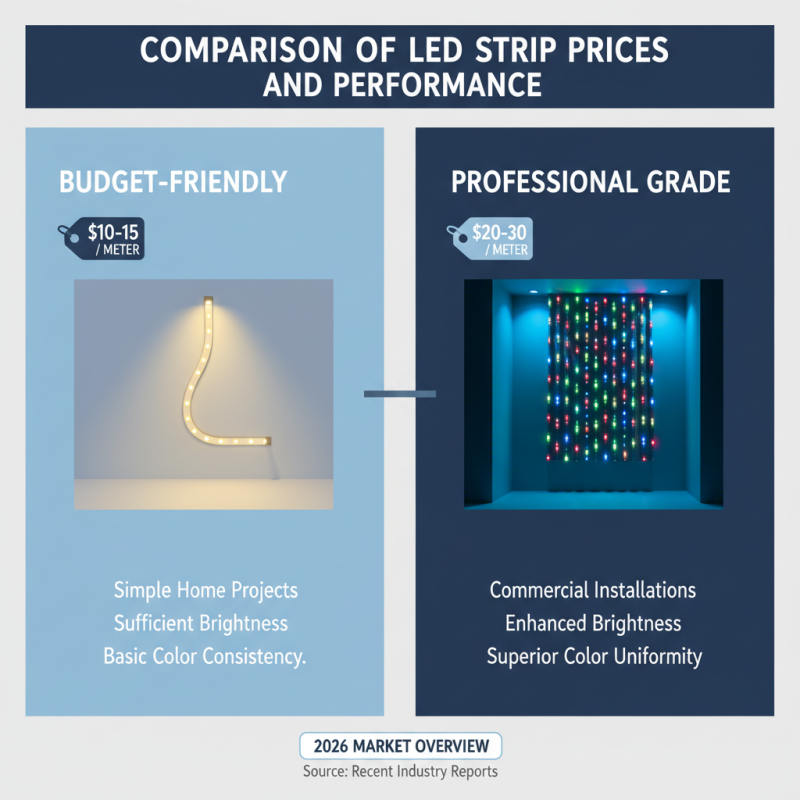
As we explore the 2026 LED strips market, price and performance differences are notable. According to recent industry reports, the average cost of quality LED strips ranges between $10 to $30 per meter. Higher priced options often offer enhanced brightness and color consistency, appealing for professional installations. However, budget-friendly strips may suffice for simple home projects.
Performance metrics matter significantly. A report from the Lighting Research Center states that LED strips with higher lumens-per-watt ratings provide better brightness levels while consuming less energy. For instance, strips boasting over 100 lumens per watt could be ideal for ambient lighting. Keep in mind, the quality of the LED chip plays a crucial role in performance. Poor-quality chips result in shorter lifespans and reduced efficiency.
Tips for buyers: Check for certifications like UL or CE to ensure safety standards. Look for strips with adjustable color temperature options if versatility is key. Remember, cheaper strips may face frequent failures, leading to unforeseen costs. Reflect on the long-term benefits of investing in higher-quality products instead of simply opting for the lowest price.
Installation and Maintenance Tips for LED Strips
Installing LED strips can seem daunting, but with a few guidelines, it becomes manageable. Begin by measuring your space accurately. Ensure that your surface is clean and dry. This promotes a strong adhesion for the strips. Applying a primer or rubbing alcohol can enhance the stickiness for better results. Use adhesive mounting clips or brackets in addition to the integrated tape for extra security.
Maintenance is as crucial as installation. Regularly check for dust accumulation on the strips. A damp cloth can effectively remove debris without damaging the LED components. Be cautious with excessive moisture exposure. Keep an eye on any flickering lights or color changes. These can indicate loose connections or component issues. Reseating connections might solve the flickering problem.
While LEDs are energy-efficient, they can still generate heat. Ensure there is enough ventilation, especially in enclosed spaces. Avoid placing objects on top of the strips. Lighting intensity may vary over time, which can be a sign of aging strips. Regular checks help catch issues before they grow. Always be prepared for the possibility of needing replacements eventually.