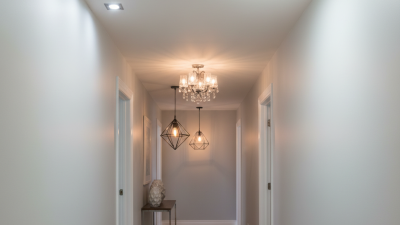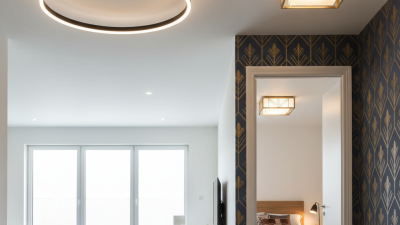
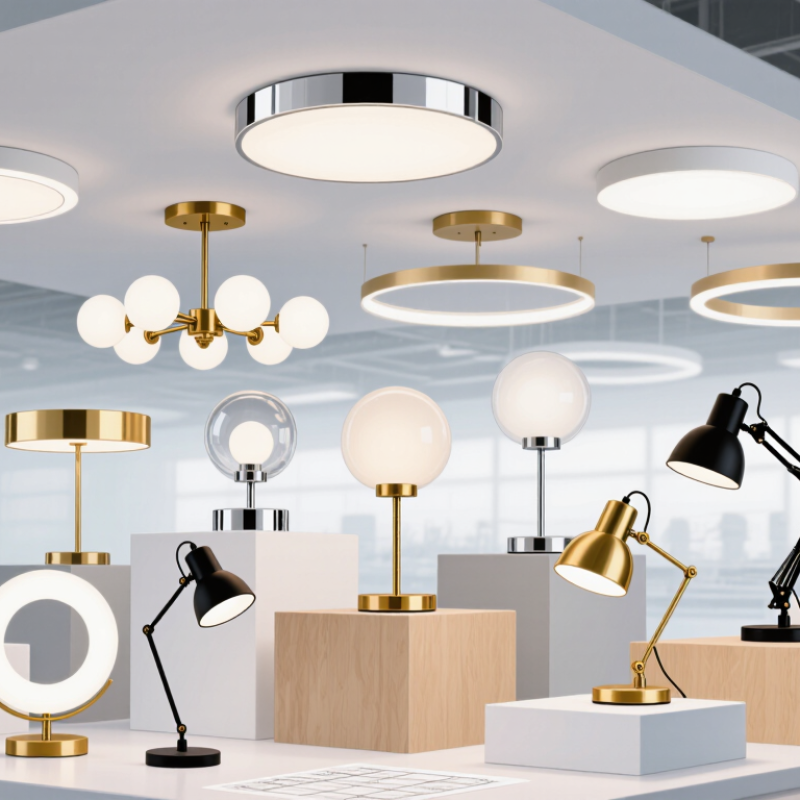
China has become an important sourcing base for buyers seeking practical, well-designed Flush Mount Lighting. Its manufacturers offer varied styles, from slim LED fixtures for low ceilings to decorative models with glass diffusers and metal frames. For global buyers, the challenge is not simply finding a low price. Product consistency, clear specifications, and dependable communication matter just as much.
A useful supplier review starts with the details. Ask about materials, finish options, light output, color temperature, dimming compatibility, and packaging. Request current product documents and samples where practical. Check whether the manufacturer’s testing and certifications match the requirements of your destination market; requirements can differ, so one certificate should not be assumed to cover every region. Small details matter. A driver that performs poorly or a diffuser that arrives scratched can affect customer satisfaction.
This guide explores leading Chinese manufacturers and the factors that can help buyers compare them. It considers product range, customization, production capacity, quality-control practices, and export support, while recognizing that capabilities may vary by model and order size. No supplier is automatically the right choice. Buyers should verify claims, review recent samples, and agree on specifications before production. That takes time. It is also where a sourcing decision becomes more reliable.
Flush mount lighting sits close to the ceiling, making it a practical choice where headroom is limited. Unlike hanging fixtures, it leaves clear space beneath a low ceiling. A compact fitting can illuminate a hallway, bedroom, kitchen, or apartment entry without interrupting movement. Diffusers soften the light and help reduce harsh glare, while multiple fixtures can provide more even coverage in larger rooms.
Choosing the right fixture depends on room size, ceiling height, and the task. A warm color temperature can make bedrooms feel more relaxed; brighter, neutral light may suit kitchens and work areas. Check the fixture’s dimensions and light output before specifying it. One overlooked detail is ceiling color: dark finishes absorb more light, so a room may need additional illumination. Small rooms vary, and a single rule rarely fits all.
Tips: Measure the ceiling space and note nearby cabinets or doors. Review the rated voltage, installation requirements, and product documentation for the destination market. For damp locations, use a fixture specifically rated for that environment. If the light feels too stark, a compatible dimmer may help—but confirm compatibility before installation.

Flush mount fixtures are commonly used where ceiling height or a low-profile design is important. The chart shows typical maintained illuminance guidance for selected spaces; actual requirements vary by activity, layout, surface reflectance, and local standards.
Ranges are indicative planning values, not product output specifications. Layered lighting may be needed for detailed tasks.
Evaluating China-based flush mount lighting manufacturers takes more than comparing prices. Start with the product details: ceiling clearance, housing material, finish consistency, light output, and driver compatibility. Ask for a sample that matches the proposed production model. Inspect the diffuser for uneven coloring and check whether the mounting plate sits flat against the ceiling. Small details matter.
Request clear specifications and test records for the exact model you plan to purchase. Confirm dimensions, wattage, color temperature, dimming options, and packaging requirements in writing. A polished catalog is useful, but it cannot replace verifiable product information. Ask how the manufacturer handles incoming materials, assembly checks, and defects found before shipment. If answers stay vague, pause. That is worth noticing.
Communication is part of the evaluation. Send a few practical questions and see whether replies address them accurately, including lead times and changes to custom finishes. Request production photos or a video call when an in-person visit is not possible. One awkward point: a sample may look excellent while a later batch varies slightly. Discuss acceptable tolerances and inspection steps before confirming an order. No process removes every risk, but specific records and direct answers make it easier to judge what remains.
Use this scorecard to compare suppliers of flush mount luminaires. Suggested benchmarks are buyer evaluation targets, not claims about market averages or any particular manufacturer. Confirm all specifications and compliance requirements for the destination market and product.
| Evaluation dimension | Suggested buyer benchmark | Evidence to request | How to evaluate | Score (1–5) |
|---|---|---|---|---|
| Product specification | Clearly defined input voltage, wattage, dimensions, CCT, CRI, beam distribution, and dimming options for each model. | Dated datasheet, drawings, bill of materials summary, and approved sample specification. | Check that the quotation, datasheet, sample, and packaging use consistent model and performance details. | ___ / 5 |
| Electrical and photometric testing | Test results should match the ordered configuration and identify the test method, conditions, and equipment where relevant. | Photometric report, electrical safety test records, and applicable reports from a competent laboratory. | Verify reported light output, efficacy, power, power factor, CCT, and CRI against the purchase specification; confirm report scope covers the same product version. | ___ / 5 |
| Regulatory compliance | Documentation should correspond to the destination market, luminaire type, and exact product configuration. | Applicable declarations, test reports, technical files, and component records; examples may include IEC 60598-related safety documentation where applicable. | Check model numbers, ratings, standards, report dates, and issuing organization. Confirm market-specific requirements independently; a mark alone is not a substitute for supporting documentation. | ___ / 5 |
| Thermal design and materials | Construction, heat dissipation, diffuser, and driver selection should be appropriate for the intended installation and rated operating conditions. | Material specifications, component list, thermal test information, and sample inspection access. | Inspect finish, fit, diffuser uniformity, wiring, terminals, and mounting method; compare the production sample with approved drawings and specifications. | ___ / 5 |
| Quality management and inspection | Documented incoming, in-process, and final inspection procedures, with defect handling and traceability. | Quality manual or process overview, inspection checklist, sample inspection report, and any relevant quality-system certificate. | Verify certificate validity and scope where supplied. Agree in writing on sampling, acceptance criteria, corrective actions, and access to pre-shipment inspection. | ___ / 5 |
| Customization and engineering support | Changes to size, finish, CCT, driver, controls, or packaging should be documented and confirmed before production. | Revision-controlled drawings, sample approval record, change-control procedure, and written confirmation of tooling or engineering charges. | Check response clarity and confirm that changes trigger updated specifications and, where necessary, renewed testing or approval. | ___ / 5 |
| Capacity and delivery planning | Production capacity, minimum order quantity, sample timing, and lead time should be stated for the specific order and season. | Written production schedule, capacity confirmation, sample plan, and order milestones. | Ask for a realistic schedule that includes component procurement, production, inspection, and shipping handover; do not rely on an unqualified lead-time estimate. | ___ / 5 |
| Commercial transparency | Quotation should specify model, configuration, quantity, currency, Incoterms® rule and named place, payment terms, packing, and validity period. | Itemized quotation, pro forma invoice, warranty terms, and written clarification of exclusions or extra charges. | Compare like-for-like specifications and delivery terms; confirm who bears each cost and risk under the agreed Incoterms® rule. | ___ / 5 |
| Warranty and after-sales support | Warranty duration, coverage, exclusions, claim process, and remedy should be explicit in writing. | Warranty document, claims procedure, spare-parts policy, and contact or escalation process. | Clarify whether remedies involve replacement parts, repair, credit, or replacement products, and who covers freight and related costs. | ___ / 5 |
| Packaging and export readiness | Packaging and shipping marks should protect the product and match buyer requirements and destination handling needs. | Packaging specification, carton dimensions and weights, label artwork, and sample packing photos or samples. | Review protection, carton strength, product identification, language, barcode, and palletization requirements before mass production. | ___ / 5 |
| Total score — Add the scores above. Maximum: 50 points. | ___ / 50 | |||
Scoring guide: 1 = insufficient evidence; 2 = major gaps; 3 = acceptable with follow-up; 4 = strong evidence; 5 = fully verified and well documented. Treat scores as an internal comparison aid, not as a certification or guarantee of product performance.
For global buyers, choosing a Chinese flush mount lighting manufacturer involves more than comparing prices. Manufacturing standards shape safety, performance, and consistency across repeat orders. Ask suppliers for test reports covering electrical safety, ingress protection where relevant, and photometric performance. Confirm that reports match the exact model and configuration you plan to purchase. IEA’s 2023 report on buildings estimates that buildings account for 30% of global final energy consumption. That makes efficient lighting and reliable performance important purchasing considerations.
Customization should be documented clearly. Share drawings, ceiling dimensions, finish samples, color temperature, driver requirements, and packaging specifications before production. Request a signed sample and an approved specification sheet. Quality control should include incoming-material checks, assembly inspections, and final tests for light output and electrical operation. Ask how defects are recorded and handled. Factory audits and third-party testing can add confidence, though neither replaces clear contracts or sample approval. Small details matter. A warm-white sample can look different under showroom lighting.
Tips
Request a pre-shipment inspection and verify carton labels against the approved order. Keep one reference sample. It may feel excessive, but it helps resolve disagreements when production varies.
For global buyers, a flush mount light is only part of the order. Export readiness matters just as much. Ask suppliers how they protect glass diffusers, metal shades, and mounting hardware during long-distance shipping. A useful answer should describe carton strength, inner cushioning, and how mixed models are labeled. Request sample packing photos when the order is large. Details matter.
Before confirming production, check which export documents the supplier can prepare, such as a commercial invoice, packing list, and product specifications. Confirm the destination port, estimated production time, and who arranges freight. These details can vary by supplier and shipment, so put agreed terms in writing. A polished catalog cannot replace a clear process.
Pricing is easier to compare when quotations separate the fixture, packaging, tooling, and freight estimates. Ask whether the price changes with order volume, finish, or wiring configuration. A low unit price may exclude protective packaging or testing costs. It is tempting to compare totals too quickly. I would slow down here. For communication, share a simple specification sheet with dimensions, finish, voltage, and target delivery date. Ask one question at a time, and request written confirmation of revisions. If replies are vague or arrive late during sampling, treat that as a signal to discuss expectations before placing a larger order.
Choosing a flush mount lighting manufacturer starts with the project, not the catalog. Measure ceiling height, room size, and the available junction box before comparing options. A low-profile fixture may suit a hallway, while a broader diffuser can spread light across a kitchen. Ask for dimensioned drawings and confirm the canopy will cover the existing ceiling opening.
Check technical documents, not just product photos. Request the rated input voltage, light output, color temperature, dimming compatibility, and material specifications. For larger orders, ask whether samples are available and whether production can match the approved sample. A small difference in finish can become obvious across twenty rooms. It happens.
Communication matters, too. Confirm lead times, packaging details, replacement-part availability, and how quality checks are documented. Clear answers are useful evidence; vague promises are not. If a supplier cannot explain how it tests drivers or inspects surface finishes, pause before committing. Compare quotations on the same specifications, including freight terms and spare units. The cheapest price may leave important details unresolved.
A practical evaluation may still miss something. I would double-check the installation instructions with the project electrician, especially when ceilings are unusually shallow or wiring conditions differ. Ask for references from comparable commercial or residential projects, then verify that the products delivered match the agreed specifications. Planning takes time. It can prevent costly site adjustments.