How to Choose the Best LED Decorative Lights for Your Home in 2025
As we move towards 2025, the popularity of LED decorative lights continues to skyrocket, reflecting a significant shift in consumer preferences towards energy-efficient and aesthetically pleasing lighting solutions. According to the Global LED Market report published by MarketsandMarkets, the global LED lighting market is projected to grow from $19.57 billion in 2021 to $64.28 billion by 2026, driven in part by advancements in technology and increased awareness of sustainability. This surge in demand can be attributed to the myriad benefits that LED decorative lights offer, including longevity, energy efficiency, and the ability to create unique atmospheres in various settings.
Selecting the right LED decorative lights for your home involves understanding not only the latest trends but also the practical aspects of installation and usage. With the market inundated with an array of styles, colors, and technological features, consumers must now prioritize their choices based on function, design compatibility, and energy consumption. A recent report from the International Energy Agency indicates that LED lighting can save up to 75% more energy compared to traditional incandescent bulbs, making them a cost-effective choice for homeowners looking to enhance their living spaces while minimizing their environmental footprint. In this context, navigating the myriad options available becomes vital for achieving a harmonious blend of style and sustainability in 2025.
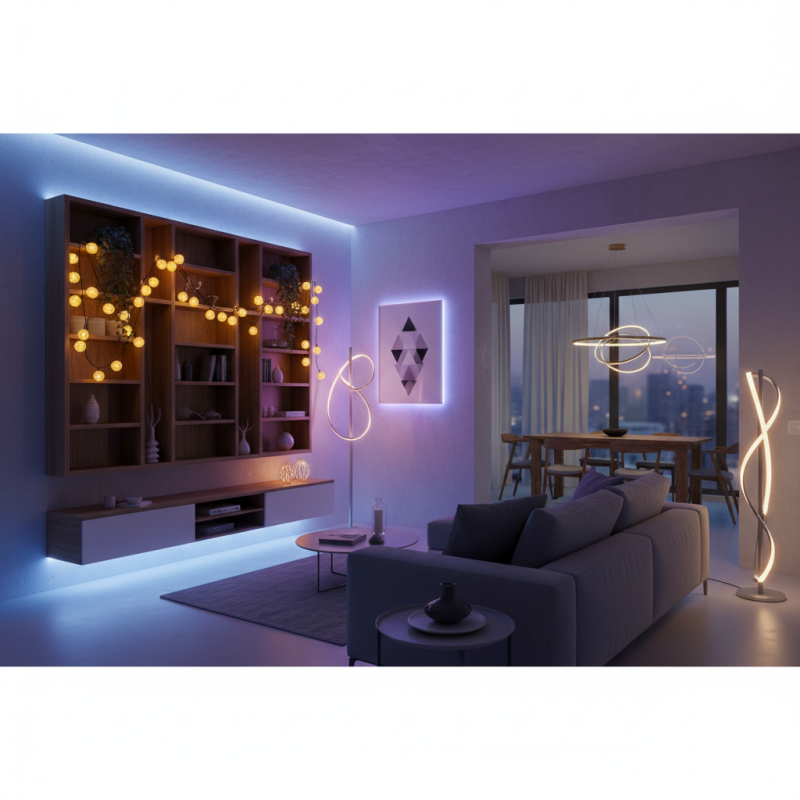
Understanding LED Decorative Lights: Key Features to Consider
When selecting LED decorative lights for your home in 2025, there are several key features to consider that can significantly enhance your living space. First and foremost, the brightness and lumens output of the lights should be a priority. Depending on the intended use—whether for ambient lighting, accenting specific areas, or creating a festive atmosphere—the brightness level must complement your room's overall design. Additionally, adjustable brightness settings can offer flexibility, allowing you to tailor the lighting to suit various occasions.
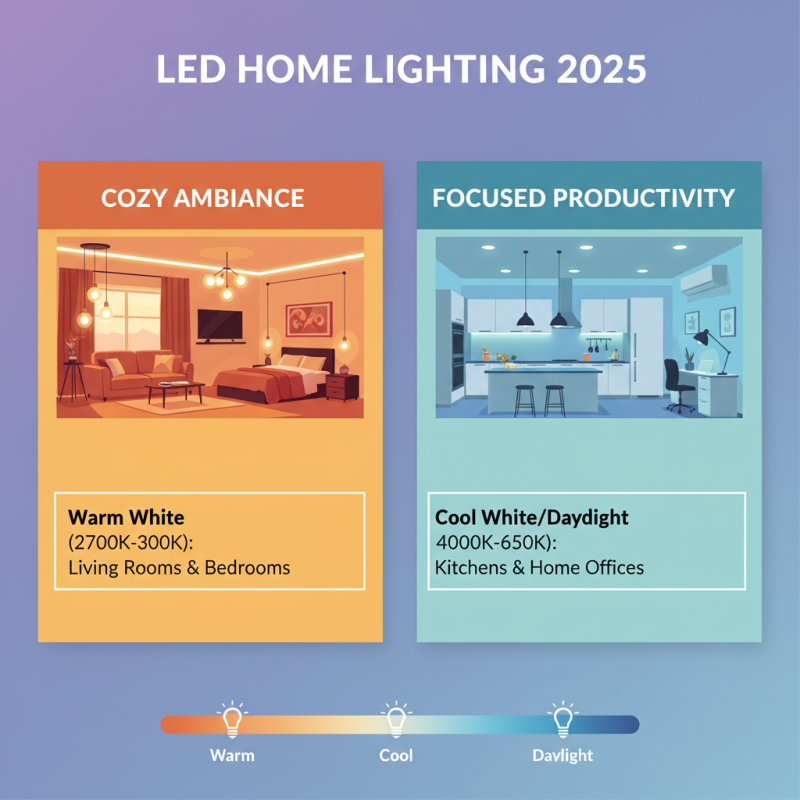
Another crucial feature to evaluate is the color temperature of the LED lights. Ranging from warm to cool tones, the color temperature can drastically alter the mood of a room. Warm white lights create a cozy atmosphere, ideal for living areas or bedrooms, while cooler temperatures are well-suited for kitchens or workspaces, promoting productivity and alertness. Moreover, consider whether you prefer RGB (red, green, blue) options that allow for versatile color changes, providing endless possibilities for personalizing your space.
Lastly, pay attention to energy efficiency and longevity. LED lights are known for their low energy consumption, but comparing different models for efficacy ratings can help maximize savings in the long run. Additionally, the lifespan of the bulbs should be factored in; high-quality LEDs typically last significantly longer, reducing the need for frequent replacements and enhancing convenience. By focusing on these essential features, you can select LED decorative lights that not only beautify your home but also align with your lifestyle needs and environmental considerations.
Evaluating Different Types of LED Decorative Lights for Home Use
When evaluating different types of LED decorative lights for home use, it's essential to consider the various styles and applications these lights offer. LED strip lights provide versatility, allowing you to enhance architectural features, under-cabinet areas, or entertainment spaces with customizable lengths and colors. Their flexibility makes them ideal for creative spaces, where you can create stunning lighting effects to match events or moods. Additionally, smart LED bulbs can transform your home with their capabilities to change colors and adjust brightness through mobile apps, enhancing the overall ambiance.
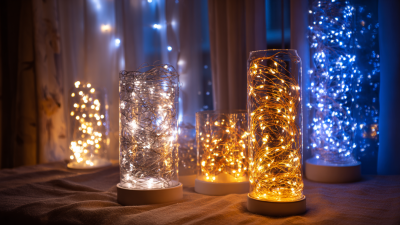
Another popular option is LED fairy lights, which can add a whimsical touch to any room. These tiny lights are perfect for draping over furniture, whipping around a backdrop, or accentuating holiday decorations. With energy efficiency and a variety of styles available, including battery-operated options, they offer safe and convenient ways to celebrate special occasions or simply brighten up your daily environment. Ultimately, understanding the functional benefits and aesthetic contributions of each type of LED decorative light can help you make an informed choice that aligns with your home decor vision.
LED Decorative Lights Popularity by Type in 2025
Assessing Energy Efficiency and Lifespan of LED Lights
When selecting LED decorative lights for your home in 2025, energy efficiency and lifespan should be paramount considerations. LED lights are known for their lower energy consumption compared to traditional incandescent bulbs, which translates to significant savings on electricity bills over time. When assessing energy efficiency, look for lights that have high lumens per watt output. This metric indicates how much light is produced for each watt consumed, allowing you to choose options that maximize brightness while minimizing energy use.
Lifespan is another critical factor in your decision-making process. Most LED lights have an impressive lifespan, often lasting between 15,000 to 50,000 hours, far exceeding that of conventional lighting options. When evaluating different products, check the manufacturer's specifications for lifespan estimates and consider how long you intend to use the lights. Longer-lasting options not only reduce the frequency of replacements but also contribute to a more sustainable choice, thereby benefiting both your wallet and the environment in the long run. Combining energy efficiency with a long lifespan can help you select LED decorative lights that fulfill your aesthetic needs while being a practical investment for years to come.
How to Choose the Best LED Decorative Lights for Your Home in 2025 - Assessing Energy Efficiency and Lifespan of LED Lights
| Light Type |
Wattage |
Lifespan (Hours) |
Lumens Output |
Energy Efficiency (lm/W) |
Color Temperature (K) |
| String Lights |
5W |
25,000 |
300 |
60 |
2700 |
| Wall Sconces |
10W |
30,000 |
800 |
80 |
3000 |
| Recessed Lights |
15W |
35,000 |
1100 |
73 |
4000 |
| Floor Lamps |
8W |
20,000 |
600 |
75 |
3000 |
| Outdoor Lights |
12W |
50,000 |
1000 |
83 |
5000 |
Choosing the Right Color Temperature and Brightness for Your Space
When selecting LED decorative lights for your home in 2025, it's crucial to consider the color temperature and brightness for each space to create the desired ambiance. Color temperature, measured in Kelvin (K), significantly influences the mood of a room. Warm white lights (2700K-3000K) can create a cozy atmosphere, ideal for living rooms and bedrooms. In contrast, cooler white (4000K-5000K) and daylight bulbs (5000K-6500K) are perfect for workspaces like kitchens or home offices, as they promote alertness and focus.
According to a report by the International Energy Agency, the shift towards LED lighting is projected to reduce global electricity consumption for lighting by 50% by 2030. Therefore, choosing the right brightness level, measured in lumens, also plays a vital role. A living room may require around 1,500 to 3,000 lumens for adequate lighting, while a reading corner might benefit from approximately 200-500 lumens for a more intimate feel.
**Tips**: When selecting your lights, consider using dimmable LED options to easily adjust brightness according to different activities or times of day. Additionally, experimenting with a mix of warm and cool lighting in different areas can enhance the overall aesthetic of your home while providing functional light where needed. Don't forget to think about the fixtures themselves; decorative elements can affect how light is dispersed and alter the perceived color temperature.
Exploring Trends in LED Decorative Lighting for 2025
As we approach 2025, the realm of LED decorative lighting is set to experience significant transformations influenced by evolving design trends and technological advancements. One prominent trend is the increasing integration of smart technology in LED lights, allowing homeowners to control their lighting through mobile applications and voice-activated systems. This innovation not only enhances convenience but also enables users to create customizable atmospheres tailored to various occasions, from cozy evenings to vibrant gatherings.
Additionally, sustainability continues to play a pivotal role in the selection of decorative lighting options. In 2025, homeowners are likely to prioritize energy-efficient LED lights that use eco-friendly materials while still providing exceptional brightness and design. The trend toward biophilic design, which emphasizes a connection to nature, is reflected in the rise of LED lights that mimic natural elements, such as warm, soft glows and earthy tones. By focusing on these characteristics, individuals can create inviting spaces that reflect their personality while being mindful of their environmental impact.