How to Choose the Best Smart Lights For Home in 2025
In 2025, the landscape of home lighting is set to be transformed by the evolution of smart technology. As homeowners increasingly seek to blend convenience, efficiency, and aesthetic appeal, choosing the right smart lights for home becomes a pivotal decision. Smart lights are no longer just a novelty; they have become integral to modern home design, allowing for customization that enhances both functionality and ambiance. With advancements in connectivity and control options, these innovative lighting solutions offer unmatched flexibility, enabling users to create tailored experiences for every room and occasion.
As you embark on the journey to select the best smart lights for home, several key factors should guide your decision-making process. Considerations such as compatibility with existing home systems, ease of installation, and the range of features available are essential in identifying the options that best fit your lifestyle and preferences. Moreover, with energy efficiency at the forefront of contemporary concerns, many smart lights now offer sustainable benefits that contribute to both cost savings and environmental well-being. By thoughtfully evaluating these aspects, you will be well-equipped to make an informed choice that illuminates your living space and enhances your daily life in 2025 and beyond.
Understanding Smart Lighting Technology and Innovations of 2025
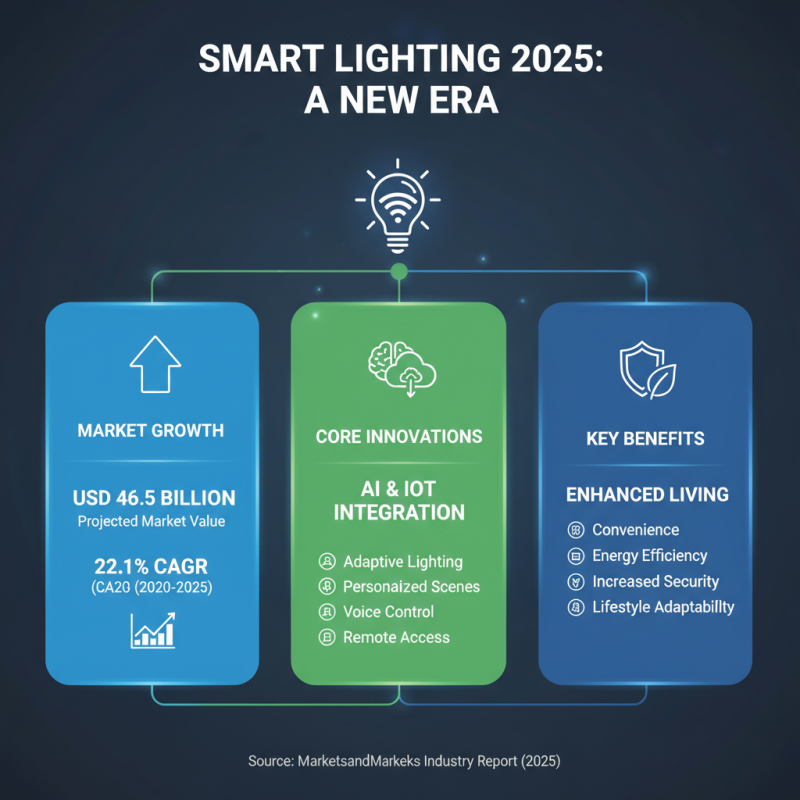
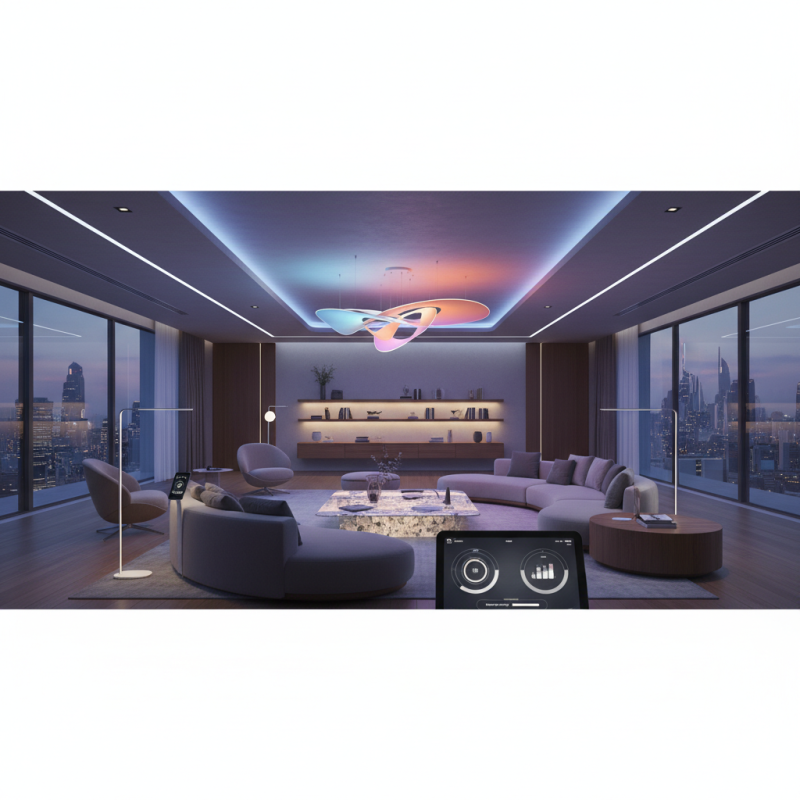
Smart lighting technology has advanced significantly in 2025, offering homeowners enhanced convenience, energy efficiency, and security options. At the core of these innovations is the integration of AI and IoT, enabling lights to adapt to individual lifestyles and preferences. According to a recent industry report by MarketsandMarkets, the smart lighting market is projected to reach USD 46.5 billion by 2025, showcasing a compound annual growth rate (CAGR) of 22.1%. This surge is primarily driven by increasing consumer demand for energy-saving solutions and the growing adoption of smart home ecosystems.
Tips for choosing the best smart lights include considering compatibility with existing home automation systems. Look for lights that support multiple communication protocols like Wi-Fi, Zigbee, or Z-Wave to ensure seamless integration. Additionally, pay attention to the brightness levels and color temperature options, as these significantly affect mood and ambiance in different living spaces.
Moreover, energy efficiency is a crucial factor in smart lighting technology. With advancements such as LED integration and smart dimming features, many products now offer up to 80% energy savings compared to traditional bulbs. Make sure to look for lights that provide smart scheduling capabilities, allowing them to turn off when not needed and further reduce energy consumption.
Key Features to Look for When Choosing Smart Lights for Your Home
When selecting smart lights for your home, several key features should be prioritized to ensure you make the best choice. Firstly, compatibility is crucial; your smart lighting system should integrate seamlessly with existing smart home ecosystems, such as voice assistants or security systems. This interoperability not only enhances user convenience but also expands functionality, allowing you to control your lights with voice commands or through a centralized app.
Another important feature to consider is adjustability in both brightness and color temperature. Look for smart lights that offer a wide range of dimming options and customizable color settings. This flexibility allows you to create the perfect ambiance for any occasion, whether it's a cozy movie night or an energetic gathering. Additionally, the ability to schedule and automate lighting based on your daily routines can bring further convenience to your home life.
Lastly, energy efficiency is an essential factor. Opt for smart lights that use LED technology, as they consume significantly less power compared to traditional bulbs and have a longer lifespan. Many smart lighting options also provide energy usage statistics, allowing you to monitor your consumption and make adjustments for increased efficiency. By focusing on these features, you can ensure your smart lighting solution meets your needs while being sustainable and cost-effective.
Evaluating Smart Light Brands: Reputation, Quality, and Support
When evaluating smart light brands for home use in 2025, several key factors come into play: reputation, quality, and support. Industry research indicates that consumer preferences are increasingly leaning towards brands that prioritize sustainability and energy efficiency. According to a recent report from the Smart Lighting Association, over 60% of consumers now consider energy-saving features as essential when choosing smart lighting solutions. This trend underscores the importance of selecting brands that not only offer innovative technology but also demonstrate a commitment to environmental responsibility.
Quality is another critical aspect, as consumers demand products that are not only smart but also durable and reliable. Studies have shown that brands with higher customer satisfaction ratings typically offer longer warranties and superior build quality, which directly correlates to user trust and brand loyalty. In fact, a survey by the Consumer Electronics Association found that users are willing to pay an average of 20% more for smart lighting products that come with a reputation for longevity and robust performance.
Additionally, effective customer support can make or break a user's experience with smart lighting products. A study highlighted in the Journal of Consumer Technology revealed that brands offering 24/7 customer support and extensive online resources see a 30% increase in positive reviews. As smart lighting technology becomes more integrated into everyday life, ensuring accessible and reliable support will be crucial for brands aiming to stand out in this competitive market.
Compatibility and Integration with Smart Home Systems: What to Consider
When selecting the best smart lights for your home in 2025, compatibility and integration with existing smart home systems should be at the forefront of your decision-making process. According to a recent report from the Smart Home Market Research Institute, over 70% of consumers prioritize compatibility with platforms such as Amazon Alexa, Google Assistant, and Apple HomeKit when purchasing smart lighting solutions. This trend highlights the importance of ensuring that new lighting systems can easily interface with the broader ecosystem of smart devices already in use.
Furthermore, interoperability among smart home devices increasingly influences user satisfaction. A study from the International Smart Home Alliance indicated that homes equipped with devices from varied manufacturers reported a 30% higher satisfaction rate when these devices could seamlessly communicate. Therefore, when considering smart lights, examine their integration potential with your existing smart appliances, security systems, and energy management tools. Features like responsive app interfaces, voice control capabilities, and customizable automation routines are crucial factors that enhance the user experience in a fully integrated smart home environment. As smart technology continues to evolve, ensuring synergy across your devices will not only improve functionality but also future-proof your home against rapid technological advancements.
How to Choose the Best Smart Lights For Home in 2025 - Compatibility and Integration with Smart Home Systems: What to Consider
| Feature |
Importance Level |
Compatibility with Systems |
Ease of Integration |
User Reviews |
| Voice Control |
High |
Amazon Alexa, Google Assistant |
Easy |
4.5/5 |
| App Control |
Medium |
iOS, Android |
Moderate |
4.2/5 |
| Scheduling |
High |
IFTTT, SmartThings |
Easy |
4.3/5 |
| Color Options |
Medium |
Various Apps |
Moderate |
4.1/5 |
| Energy Monitoring |
Low |
Home Assistant |
Challenging |
3.8/5 |
Cost-Effectiveness and Energy Efficiency of Smart Lighting Options
When selecting smart lights for home use in 2025, cost-effectiveness and energy efficiency should be top priorities. Advanced smart lighting technology has evolved significantly, offering homeowners an array of options that not only enhance living spaces but also contribute to long-term savings. Energy-efficient smart bulbs typically consume less power while providing equal or better brightness compared to traditional bulbs. This lower energy consumption directly impacts electricity bills, making them a financially wise choice for the environmentally conscious homeowner.
In addition to initial savings, many smart lighting systems feature customizable settings that can further improve energy usage. For instance, programmable schedules allow users to automatically turn lights off when they are not needed or adjust brightness based on the time of day. Some smart lights even integrate motion sensors, ensuring that lights only activate when someone is present in a room. These functionalities not only promote energy conservation but also extend the lifespan of the bulbs, thus reducing the frequency of replacements and overall costs over time. As consumers look to upgrade their living environments, understanding these attributes will guide them towards the most cost-effective and energy-efficient smart lighting solutions available.