How to Choose the Best Ceiling Lights for Your Hall?
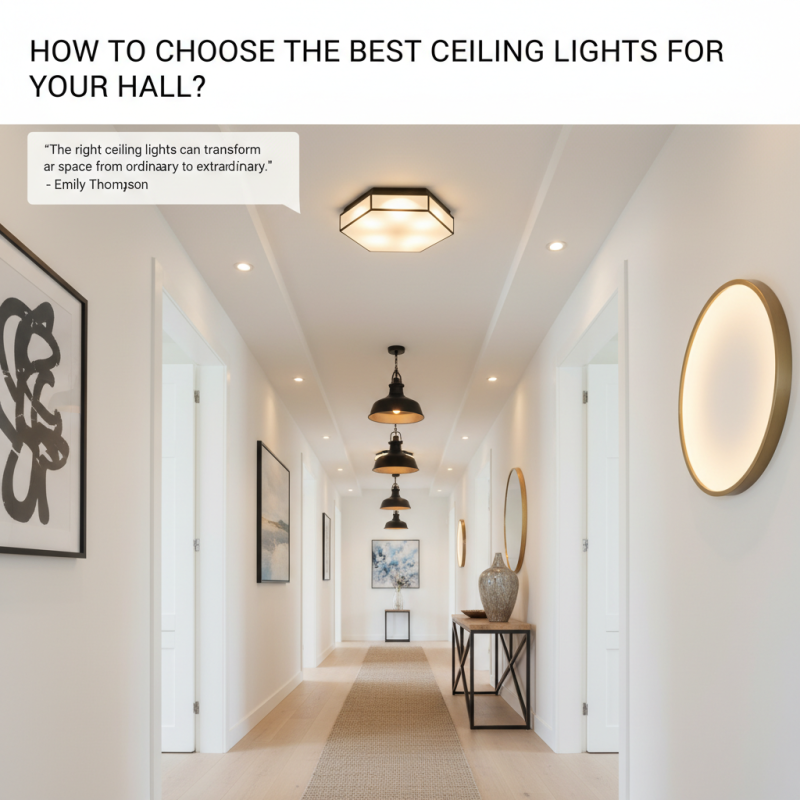
When selecting the best ceiling lights for your hall, it’s essential to consider both function and style. Lighting expert Emily Thompson emphasizes, “The right ceiling lights can transform a space from ordinary to extraordinary.” This statement highlights the importance of thoughtful selection in enhancing your hall's ambiance.
Ceiling lights for hall areas should illuminate the room while reflecting your taste. Choose designs that complement your décor and create a welcoming atmosphere. Pay attention to size and brightness; larger halls may require multiple fixtures for balanced lighting.
However, it's worthwhile to reflect on what works best. Sometimes, what seems appealing might not suit your space or needs. Mixing different light sources can create layers and depth, yet remember not to overwhelm the area. Finding the right balance in ceiling lights for hall can be a process of trial and adjustment.
Understanding Different Types of Ceiling Lights for Halls
Choosing the right ceiling lights for your hall can greatly enhance the space. Various types exist, each offering unique benefits. For a modern touch, consider pendant lights. They hang down and can serve as a focal point. Pendant lights can vary in size and style. A larger pendant can dominate the room. Smaller ones may get lost.
Chandeliers are classic choices. They add elegance and charm. Many designs are available, from ornate to minimalist. A well-placed chandelier draws attention and inspires conversation. However, hanging it too low can be problematic. Make sure it doesn’t obstruct movement or sightlines.
Flush mount lights are practical and unobtrusive. They sit close to the ceiling, ideal for low ceilings. These lights come in diverse designs, from sleek to decorative. However, they may lack the dramatic effect of hanging fixtures. Track lighting offers versatility. Adjustable heads let you focus light where needed. It's excellent for highlighting art or creating ambiance. Remember to consider wattage and bulb types for sufficient lighting.
Types of Ceiling Lights for Halls
Assessing the Size and Height of Your Hall for Lighting Choices
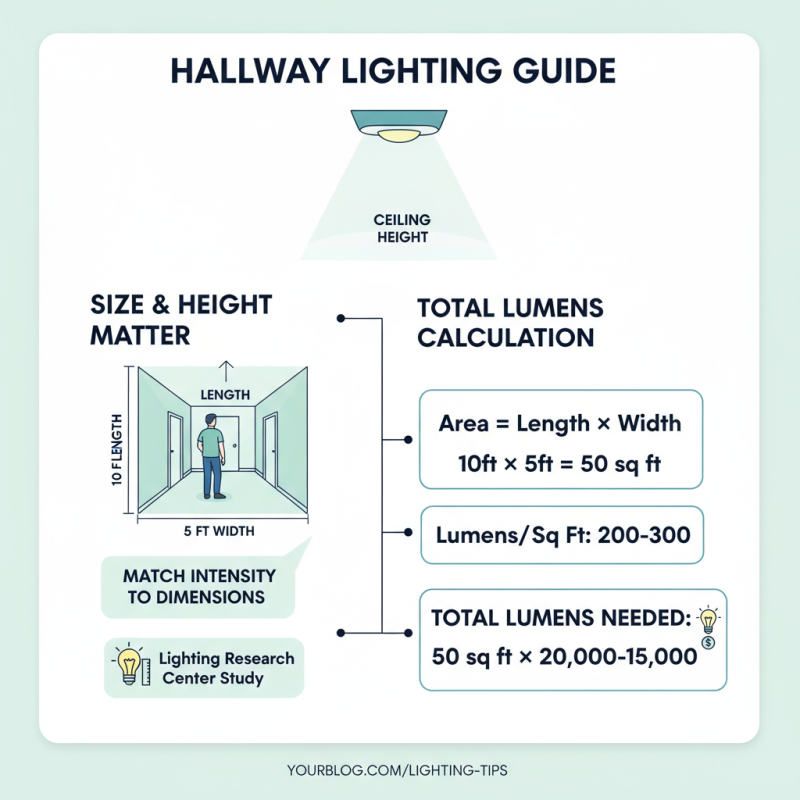
When choosing ceiling lights for your hall, assessing the size and height is crucial. A study by the Lighting Research Center indicates that light intensity should match the hall's dimensions. For example, a hallway that is 10 feet long and 5 feet wide requires approximately 200-300 lumens per square foot. This means you need to consider the total lumens based on your hall's area.
Height matters too. If your hall has a ceiling height of 8 feet or less, flush or semi-flush lights work best. For ceilings over 10 feet high, consider using pendant lights. These not only look great but also improve the lighting quality. Ensure that light fixtures hang about 7 feet from the floor.
**Tips:** Use multiple light sources to avoid dark corners. Layering light gives depth and vibrancy to the space. Consider dimmers for versatility. Keep in mind, overly bright lights can create glare. Watch out for this and aim for a balanced glow that creates a welcoming atmosphere.
Considering the Style and Décor of Your Hall
When choosing ceiling lights for your hall, consider the style and décor carefully. The lighting should enhance the room's overall aesthetic. If your hall has modern furniture, sleek fixtures with clean lines might work best. For a more traditional space, look for ornate designs that reflect classic beauty. A fixture that clashes with your style can dominate the room negatively.
Think about the color palette, too. Bright, bold lights can energize a neutral space. Conversely, warm tones can create a cozy atmosphere. It's crucial to match the lighting with your existing decor. Sometimes an impulsive choice can lead to regret. Take the time to visualize how a fixture will blend or stand out among your décor.
Placement is another vital element to consider. An overhanging chandelier can be stunning, but be cautious of height. It shouldn’t obstruct movement. Consider the room's function as well. Are you hosting gatherings or enjoying quiet evenings? Your lighting choice should accommodate these needs. Reflect on how the space feels. A well-lit hall can foster warmth and invite conversation.
How to Choose the Best Ceiling Lights for Your Hall?
| Light Type |
Style |
Ideal Décor |
Brightness (Lumens) |
Energy Efficiency |
| Chandelier |
Classic |
Traditional, Elegant |
800-2000 |
High |
| Flush Mount |
Modern |
Contemporary, Minimalist |
1000-1500 |
Very High |
| Pendant Light |
Industrial |
Loft, Rustic |
600-1200 |
Moderate |
| Recessed Lighting |
Sleek |
Modern, Elegant |
900-1600 |
Very High |
| Track Lighting |
Flexible |
Contemporary, Functional |
800-1800 |
High |
Evaluating Energy Efficiency and Light Output of Fixtures
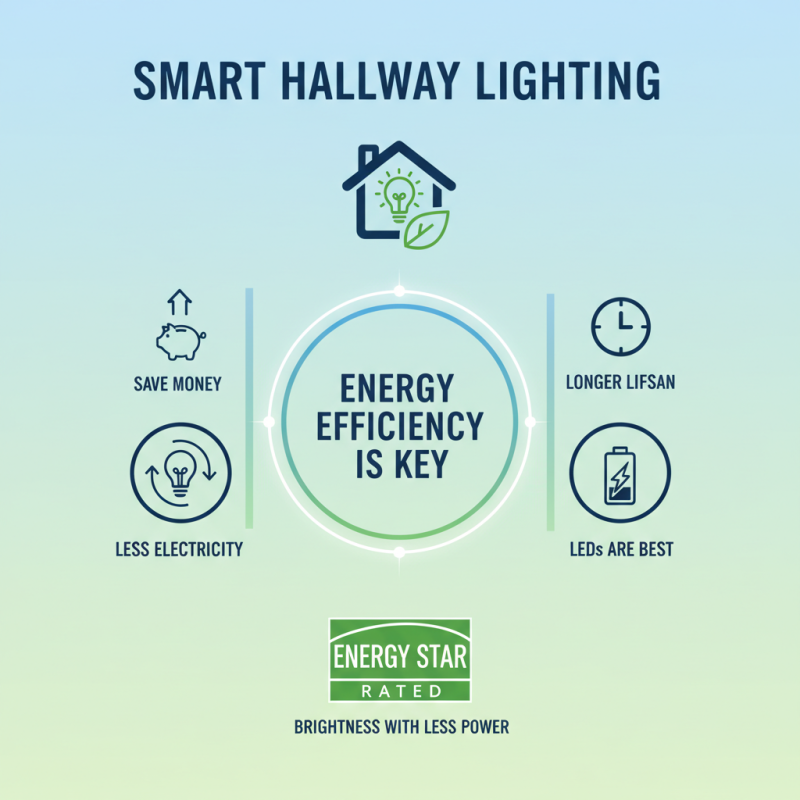
When selecting ceiling lights for your hall, energy efficiency is crucial. LED fixtures are often a great choice. They use less electricity and last longer than traditional bulbs. This can lead to significant savings on your energy bill. Look for products labeled with energy-star ratings. These lights provide the same brightness while consuming less power.
Light output is another important factor. Measured in lumens, this indicates how much visible light a fixture emits. For a well-lit hall, choose fixtures with higher lumens. However, don’t overlook your personal preference. Sometimes, a softer glow might be more inviting. It’s essential to consider the ambiance you want to create.
Additionally, think about the layout of your hall. If the space is large, a single fixture may not suffice. You might need multiple lights for even distribution. However, too many lights can create a harsh atmosphere. Balancing light output and fixture placement is often a challenging task. Take time to reflect on these details to make the best decision for your space.
Understanding Installation and Maintenance Requirements for Ceiling Lights
When selecting ceiling lights for your hall,
installation and maintenance requirements are crucial.
According to a recent industry report, nearly 40% of homeowners experience issues due to improper installation.
Incorrect placement can create uneven lighting or shadows, impacting the room's overall appeal.
For example, installing lights too far apart may leave dark corners in your hall.
Simple mistakes can lead to less functionality.
Maintenance is just as important. Many ceiling lights require regular cleaning to maintain brightness.
Dust buildup can reduce efficiency by up to 30%, according to lighting specialists.
Some fixtures may also need new bulbs every six months to a year.
Decreasing bulb performance can affect your energy bills.
It’s also essential to check wiring annually to prevent potential hazards.
Choosing the right fixtures can be challenging.
Sometimes, styles conflict with practical needs. A beautiful chandelier might look stunning but could be a pain to access for cleaning.
Understanding your hall's specific requirements is vital.
Balancing aesthetics with functionality often leads to disappointments or excessive upkeep.