How to Choose Energy Efficient Lighting for Your Business?
Lighting is a significant aspect of any business's operations. The right choice can enhance productivity and reduce costs. Energy-Efficient Lighting is more than just an eco-friendly option. It can also lead to substantial savings. According to the U.S. Department of Energy, lighting accounts for nearly 30% of a commercial building's energy use. Transitioning to energy-efficient options can cut this by 50% or more.
Many businesses still use outdated lighting systems. This can lead to higher energy bills and maintenance costs. For instance, a study by the Lawrence Berkeley National Laboratory reveals that LED lights can reduce energy consumption by 75% compared to traditional incandescent lamps. However, the initial investment in LED technology can be daunting for some organizations. Understanding long-term benefits is crucial for decision-makers.
Energy-Efficient Lighting does not only save money. It also improves the workspace environment. Employees report better satisfaction and productivity in well-lit areas. Yet, not all energy-efficient options are alike. Businesses must assess their unique requirements carefully. This thoughtful approach ensures both satisfaction and compliance with sustainability goals.
Understanding Energy Efficiency in Lighting for Businesses
Energy efficiency in lighting is crucial for businesses aiming to reduce operational costs. Many companies overlook how lighting impacts their energy bills. Poor lighting choices can lead to unnecessary expenses. On the other hand, energy-efficient lighting solutions can greatly cut costs over time. Understanding the various types of lighting options available is essential in making informed decisions.
Choosing LED lights is often a smart move. They consume less power and last longer than traditional bulbs. This longevity means fewer replacements, which also saves money. However, businesses must assess their specific needs. Not all LEDs offer the same lumen output. Some might not provide adequate brightness for workspaces. Organizations should evaluate light levels in different areas.
Moreover, consider the color temperature. Warmer lights may enhance comfort but might not be great for productivity. Cooler lights can improve focus but feel harsh. Finding the right balance is an ongoing process. Regular evaluations and adjustments can lead to better outcomes. Keep track of energy usage. Adjustments based on actual performance can lead to substantial improvements.
Types of Energy Efficient Lighting Options Available
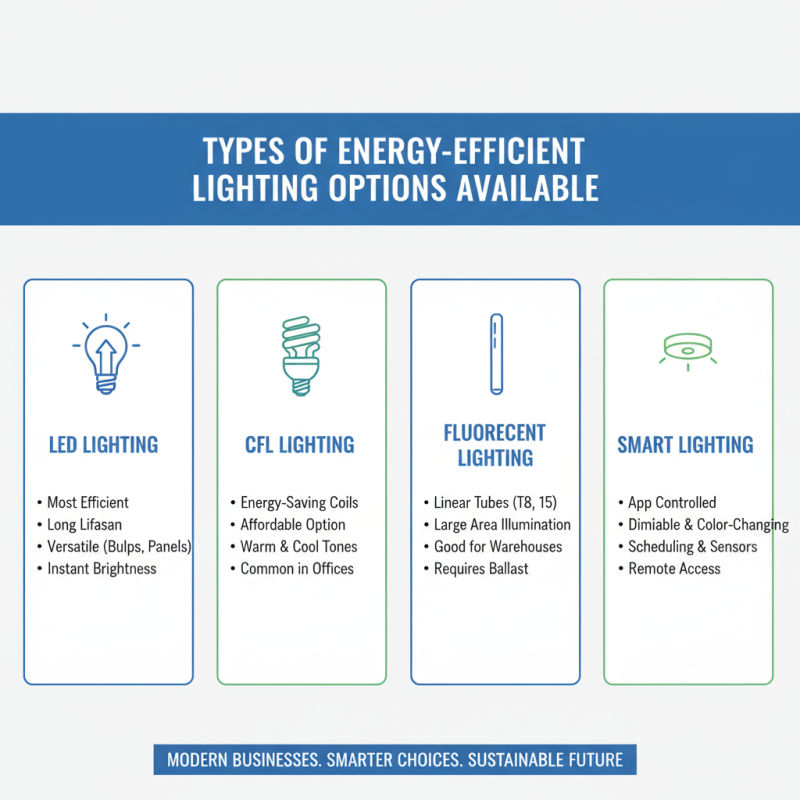
Choosing energy-efficient lighting is essential for modern businesses. Various options exist, each catering to different needs. Understanding these options can help you make informed decisions.
LED lighting is among the most popular choices. They consume less energy and last longer than traditional bulbs. You can find them in different shapes and sizes, making them suitable for various applications. However, the initial investment might be higher, which can deter some business owners.
Fluorescent lighting is another viable option. It is energy-efficient and often used in commercial spaces. Despite its lower upfront cost, it may require replacement more frequently than LEDs. Compact fluorescent lamps (CFLs) are also worth considering. They offer similar efficiency but may take time to reach full brightness.
Choosing the right lighting requires careful thought. Each type has its strengths and weaknesses. Weighing your options can help you find the best solution for your business. The key is to balance efficiency, cost, and application needs.
Evaluating the Cost-Benefit of Energy Efficient Lighting
When considering energy-efficient lighting for your business, evaluating the cost-benefit is crucial. The initial investment may seem high, but the savings on your energy bills can be substantial. For instance, LED lights consume up to 80% less energy than traditional bulbs. This reduction translates into lower monthly costs and a smaller carbon footprint.
Tips: Start by conducting an energy audit. Identify areas where lighting is inefficient. Speak with professionals to explore the best options suitable for your space.
Maintenance costs also matter. Energy-efficient lights often last longer, reducing the frequency of replacements. However, some businesses overlook this factor. It’s essential to balance upfront costs with long-term savings.
Tips: Monitor your energy usage after installation. Document any savings in your monthly bills. This data will be helpful when reviewing your lighting strategy in the future.
Avoid falling into the trap of cheap alternatives. Low-cost options can lead to higher energy consumption. Investing in reliable lighting pays off over time, even if it requires initial reflection on spending.
How to Choose Energy Efficient Lighting for Your Business? - Evaluating the Cost-Benefit of Energy Efficient Lighting
| Lighting Type |
Initial Cost ($) |
Lifespan (Hours) |
Annual Energy Cost ($) |
Total Cost Over 5 Years ($) |
Energy Savings (%) |
| Incandescent |
2.00 |
1,000 |
10.00 |
62.00 |
0% |
| CFL |
5.00 |
10,000 |
3.00 |
38.00 |
70% |
| LED |
10.00 |
25,000 |
1.00 |
30.00 |
90% |
| Halogen |
3.00 |
2,000 |
8.00 |
54.00 |
20% |
Key Factors to Consider When Choosing Lighting for Your Business
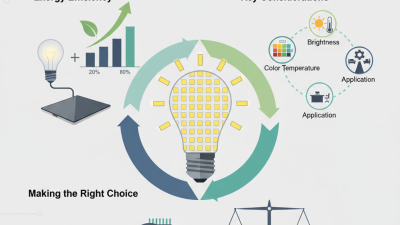
When selecting lighting for your business, several key factors come into play. Energy efficiency is crucial. Efficient lighting reduces costs and minimizes environmental impact. Consider the type of bulbs that fit your needs. LED lights are popular for their longevity and lower energy consumption. They provide a bright, clear light, suitable for various settings.
Another important factor is the color temperature of the lighting. Warmer tones create a cozy atmosphere, while cooler tones offer a more professional vibe. Think about the mood you want to create. This decision affects employee productivity and customer satisfaction. Assess natural light in your space. Balancing artificial lighting with daylight can further enhance energy efficiency and create a pleasant environment.
Don't overlook the layout of your lighting. Poorly placed fixtures can lead to dark spots or harsh shadows. This may affect the overall aesthetics and functionality of your space. Conduct a lighting audit to identify these issues. Consider how the lights interact with other elements. Remember, lighting is not just about visibility; it’s also about how it makes people feel. Making the right choice involves careful consideration and potential trial and error.
Implementing and Maintaining Energy Efficient Lighting Solutions
Implementing energy-efficient lighting solutions requires careful planning and ongoing maintenance. The U.S. Department of Energy reports that replacing traditional bulbs with LED lighting can reduce energy consumption by up to 75%. This transition not only helps businesses save on electricity bills but also lowers greenhouse gas emissions. However, many companies overlook the importance of proper installation and maintenance.
Regularly checking the lighting system is crucial. Signs of wear or outdated fixtures can impact efficiency. A report from the International Energy Agency indicates that ineffective maintenance can reduce energy savings by as much as 30%. It’s vital to develop a routine schedule for inspections and replacements. Make it a point to train staff on how to identify issues early.
Moreover, employee input can enhance the effectiveness of lighting solutions. Engaging with staff can reveal preferences and potential problems. Some employees might find certain lights too harsh or dim. Listening to their feedback can lead to better adjustment and increased satisfaction. While aiming for energy efficiency, it's equally important not to sacrifice employee comfort. Balancing these aspects can be challenging, but it is necessary for long-term success.
Energy Efficiency in Business Lighting Solutions