How to Choose Kitchen Cabinet LED Lights for Your Home?
Choosing the right Kitchen Cabinet LED Lights can transform your cooking space. According to the American Lighting Association, well-placed lighting improves functionality and aesthetics. Kitchen cabinet lighting falls into this category, enhancing visibility and adding ambiance.
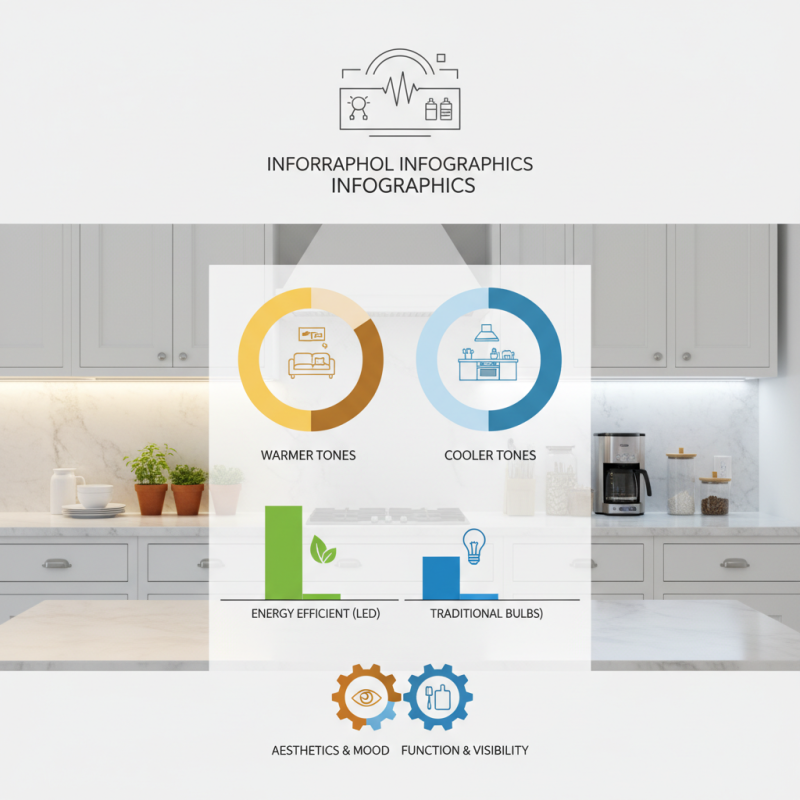
Data shows that 85% of homeowners prefer energy-efficient options. LED lights are up to 80% more efficient than traditional bulbs, reducing energy costs significantly. In a recent survey, 60% of respondents noted that proper lighting affects their kitchen usage positively. Despite these advantages, many overlook proper selection.
Consider the color temperature of the lights. Warmer tones create a cozy feel, while cooler tones convey a modern vibe. Finding the right balance requires thorough understanding and practical testing. It's essential to weigh personal preferences against the needs of your kitchen. Making these choices can be challenging, but the right Kitchen Cabinet LED Lights can enhance both function and style in your home.
Determine Your Lighting Needs Based on Kitchen Size and Layout
When choosing LED lights for your kitchen cabinets, understanding your space is crucial. The size and layout of your kitchen will significantly impact your lighting needs. According to industry research, kitchens under 150 square feet often require around 12 watts of LED lighting per square foot. Conversely, larger kitchens may need a more robust lighting plan, potentially reaching up to 20 watts per square foot.
Consider how your kitchen is laid out. An open-concept kitchen with dining spaces may benefit from ambient lighting that spreads across a wider area. In contrast, a galley kitchen, which is more narrow, might need focused task lighting. The right mix ensures you illuminate work areas without creating harsh shadows or glare. Interestingly, studies have shown that poorly lit areas can lead to accidents, making thoughtful light placement even more critical.
Also, reflect on the existing color palette and design. Darker cabinets can absorb light, making your kitchen feel smaller. In this case, opting for brighter LED options can enhance visibility. Conversely, lighter cabinets often reflect light, allowing for lower wattage solutions. This balance is key in creating a welcoming kitchen atmosphere. Assessing these factors ensures your lighting choices are both practical and aesthetic, enhancing both functionality and appearance.
Understand Different Types of LED Lights Suitable for Cabinets
LED lights have become a popular choice for kitchen cabinets, offering both efficiency and style. Understanding the different types of LED lights is crucial for creating the right ambiance. According to industry reports, LED lights can save up to 80% more energy compared to traditional bulbs. This significant reduction can lead to substantial savings over time.
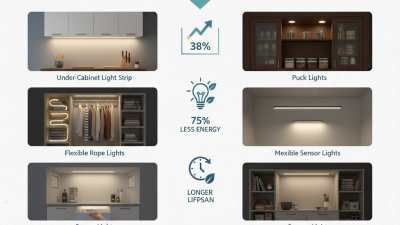
One common type is strip lights, which are flexible and easy to install. They can be placed under shelves or along cabinet edges. Another option is puck lights, which are small, round fixtures that provide focused illumination. Puck lights are ideal for highlighting specific areas, like a countertop or a decorative item. Additionally, linear LED lights are excellent for providing even lighting across larger surfaces.
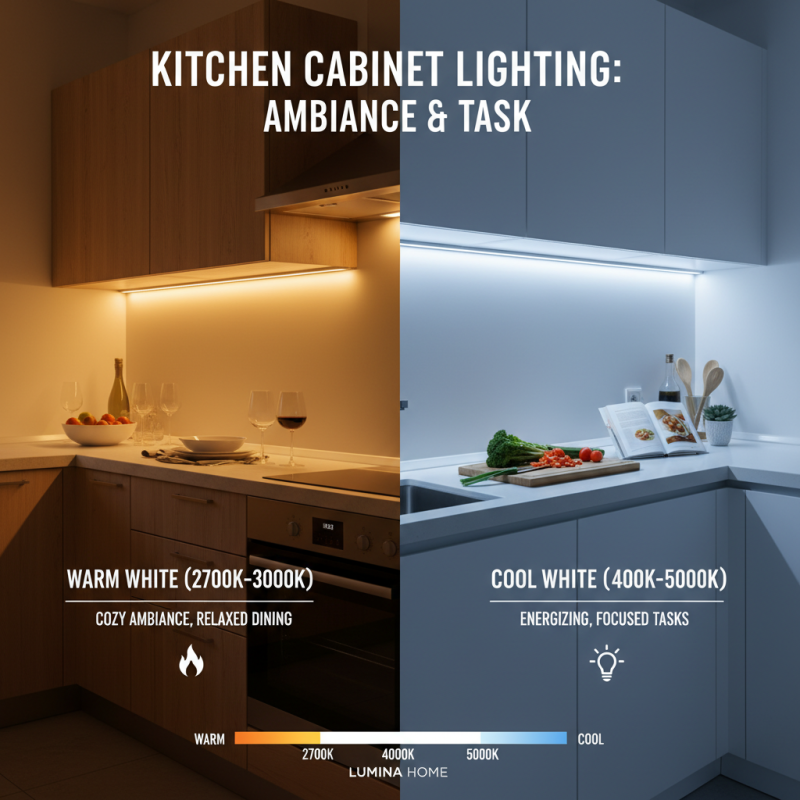
Choosing the right type requires consideration of the cabinet's height and depth. A common oversight is underestimating the brightness needed. The illuminance levels should be between 300 to 500 lumens per linear foot for optimal lighting. Moreover, color temperature plays a significant role; a warmer light (2700K to 3000K) creates a cozy atmosphere, while cooler light (4000K to 5000K) offers a more modern feel. Experimentation may be necessary to find the right balance.
Evaluate Color Temperature and Brightness for Desired Ambiance
Choosing the right LED lights for your kitchen cabinets can transform the space. An essential factor to consider is color temperature. Warm white light (around 2700K to 3000K) creates a cozy environment, perfect for intimate dining. In contrast, cooler temperatures (around 4000K to 5000K) can be more energizing, suitable for tasks that require focus and attention.
Brightness is equally crucial. Measuring in lumens, a general recommendation is about 300 to 500 lumens per linear foot. This level provides sufficient light for practical tasks, yet doesn't overpower the ambiance. Reports from the Lighting Research Center indicate that too much brightness can create discomfort. Balancing light with the right fixtures and placement helps create a welcoming space.
It's also important to reflect on how these choices affect your kitchen's functionality and aesthetics. Over-lighting can wash out colors and make surfaces glare. Conversely, insufficient light can lead to accidents and mistakes while cooking. Consider testing different options in your kitchen to see how they interact with your cabinetry and decor. Adjusting light intensity and color can make a significant difference, shaping how you experience your kitchen daily.
Consider Energy Efficiency and Longevity of LED Options
Choosing the right LED lights for your kitchen cabinets goes beyond aesthetics.
Energy efficiency and longevity are key factors.
According to the U.S. Department of Energy, LED lights consume up to 75% less energy than traditional incandescent bulbs.
This translates to significant savings over time. For instance, if you replace a standard bulb with an LED,
you could save about $125 or more on electricity over the bulb's lifetime.
Longevity is another advantage. LEDs typically last around 25,000 hours,
while incandescent bulbs last only about 1,000 hours.
This means fewer replacements and reduced waste.
However, not all LED products are created equally. Some cheaper options may have a shorter lifespan or inconsistent performance,
leading to potential frustrations.
When deciding on kitchen cabinet lighting, take the time to compare products.
Look for energy star ratings or reputable certifications.
A small investment in quality LED lights can yield long-term benefits.
Balancing cost and performance is essential.
The initial costs can sometimes be higher, but the lifetime savings often outweigh these concerns.
Consider how often you want to change your lighting before making a choice.
Select Installation Method: Hardwired vs. Plug-in Solutions
When choosing kitchen cabinet LED lights, consider the installation method carefully. Hardwired solutions offer a clean look and can be more permanent. They usually require professional installation and proper wiring. This option can seem complex. It’s important to evaluate if you are comfortable with such tasks. A skilled electrician can ensure safety and compliance with electrical codes.
Plug-in solutions provide flexibility. They can be easily installed and moved. You simply need an outlet nearby. This method allows for quick changes in lighting design. However, visible cords may not appeal to everyone. You may find it challenging to conceal them in some spaces. Assessing your kitchen layout can help you decide.
Both methods have benefits and drawbacks. Hardwired lights might offer brightness and longevity. Yet, installation can be daunting for many homeowners. Plug-in lights bring ease and adaptability, but may lack a polished look. Balancing these considerations will lead you to the best choice for your kitchen.
How to Choose Kitchen Cabinet LED Lights for Your Home? - Select Installation Method: Hardwired vs. Plug-in Solutions
| Installation Method |
Advantages |
Disadvantages |
Ideal Use Case |
| Hardwired |
More seamless look; no visible cables; typically brighter lights. |
Requires professional installation; not easily movable. |
Permanent installations; kitchen remodels or new builds. |
| Plug-in |
Easier to install; portable; no need for an electrician. |
Visible cables; may require extension cords. |
Temporary lighting solutions; rental apartments. |