How to Choose the Best SMD LED Light for Your Needs?
Choosing the right SMD LED light can significantly impact your space. With various options available, it's vital to consider your specific needs. SMD LED lights offer energy efficiency and brightness, but not all are created equal.
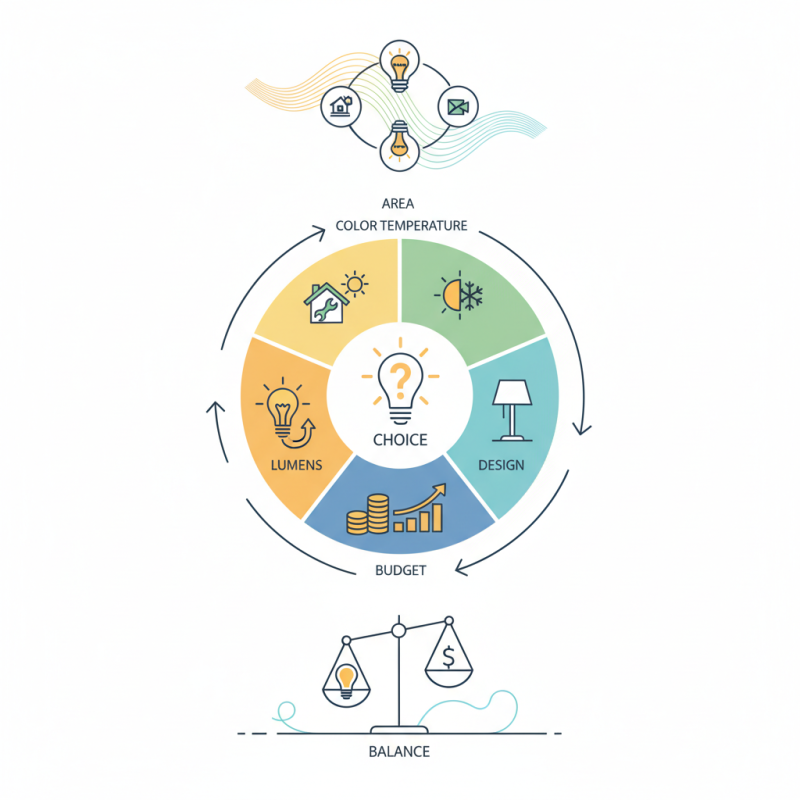
Start by assessing the area where you need illumination. Will it be for a workspace, living room, or outdoor setting? Each purpose calls for different features. Then, think about the color temperature. A warm light creates coziness, while cool light enhances focus.
Don’t overlook the importance of lumens. They measure brightness, and knowing how much light you need is essential. Next, consider the design. Aesthetic appeal matters in home settings. Lastly, be cautious of your budget. While quality may cost more, cheaper options might disappoint. Finding balance is key in your selection process.
Understanding SMD LED Light Basics and Types
SMD LED lights are popular for many applications. Understanding their basics is essential for picking the right one. SMD stands for Surface Mount Device. These lights are compact, energy-efficient, and versatile. They use tiny light-emitting diodes packed closely together. This design allows for more brightness in less space.
Different types of SMD LEDs exist. Common options include 3528 and 5050 SMD. The 3528 is smaller and perfect for subtle lighting. It's often used in decorative settings. The 5050, larger and brighter, suits task lighting. Yet, the size of the LED affects the light output. It’s crucial to consider your specific needs.
Choosing the right SMD LED can be overwhelming. You may focus on specifications like color temperature or brightness. However, the light's efficiency doesn't always translate to your desired effect. Sometimes, you'll wish you had picked a different type after installation. Reflecting on your choices can help you decide better next time.
Identifying Your Specific Lighting Needs and Applications
Identifying your specific lighting needs is crucial when selecting SMD LED lights.
Consider the environment where the lights will be used. For example, indoor spaces may require
softer lighting, while outdoor areas
benefit from brighter, focused beams. Take a close look at the height of the ceiling
or the distance between fixtures, as these factors will influence how much light you need.
Think about the intended application. Are you illuminating a workspace, or creating ambiance in a
living room? Different tasks require different
lighting. A workspace may need cooler tones to enhance
focus. In contrast, warmer lights create a cozy feel for relaxation. Collect information about color
temperature, brightness levels, and beam angles.
Budget can also be a concern. High-quality SMD LEDs may have a higher upfront cost but offer better
longevity and energy efficiency.
It’s important to weigh these factors carefully. Often, individuals overlook the long-term benefits and
solely focus on initial price. Reassess your priorities to ensure you make a choice that meets your
needs and serves your space effectively.
Evaluating Key Performance Factors for SMD LEDs
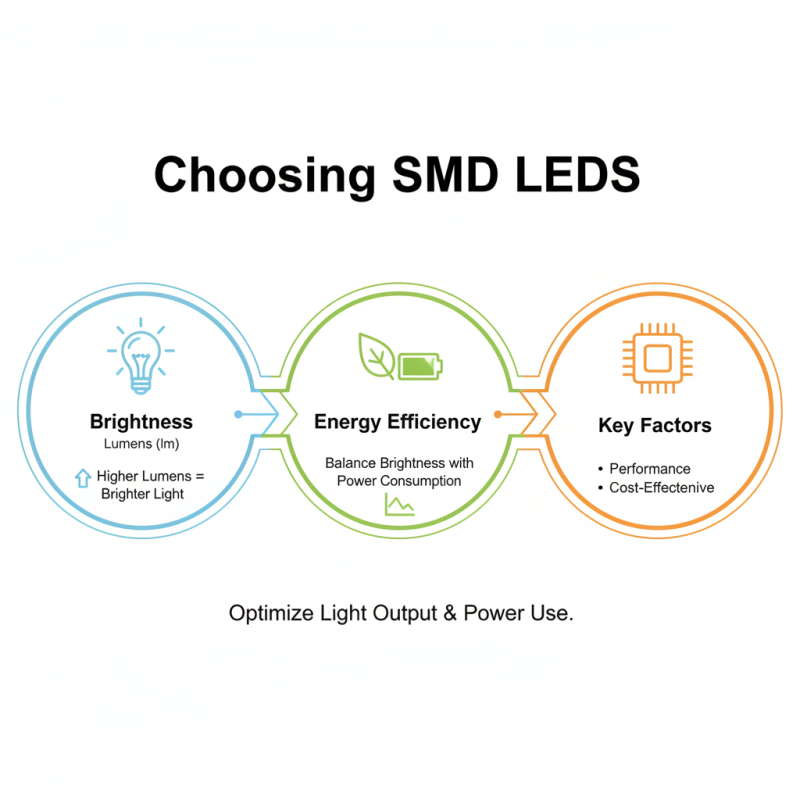
When choosing SMD LEDs, key performance factors play a crucial role. Brightness is essential. Measured in lumens, it indicates how much light the LED emits. A higher lumen rating means a brighter light. However, more lumens can also lead to increased energy consumption. It’s vital to balance brightness with energy efficiency.
Another important factor is color temperature. This measurement, expressed in Kelvin, affects the light's appearance. A warm light (around 2700K) can create a cozy atmosphere, while a cooler light (5000K and above) is more suitable for workspaces. Each setting has its own needs and preferences, so consider the ambiance you want to create.
Additionally, the LED's lifespan is a consideration. SMD LEDs are designed to last thousands of hours. Yet, some may fail earlier due to quality variances. Ensure you check for reliability. Finally, consider the application. Not all SMD LEDs are created equal for various uses, so find one that suits your specific requirements.
Comparing Energy Efficiency and Lifespan of SMD LED Lights
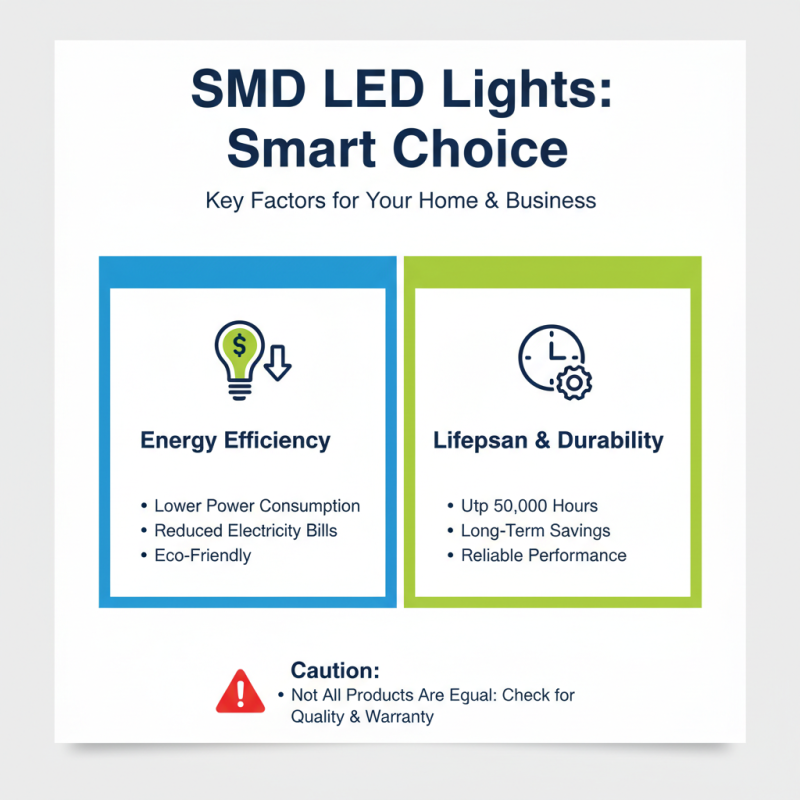
When choosing SMD LED lights, energy efficiency and lifespan are crucial factors. Energy-efficient lights consume less power. This leads to lower electricity bills. High-quality SMD LEDs can last up to 50,000 hours. However, not all products promise durability. Some may fail within a few years, leading to unexpected replacement costs.
It’s essential to consider lumens per watt for efficiency. Higher lumens indicate brighter light. Look for lights that provide significant brightness while using fewer watts. While you might find cheaper options, they may lack lasting power. This means frequent replacements, which negates the initial savings.
Also, reflect on your specific needs. Does the application require bright, constant light or softer illumination? Consider swapping types based on use. Sometimes, the best options may not align with every budget. Despite this, investing in reliable SMD LED lights often pays off in the long run. A thoughtful choice leads to sustainable lighting solutions.
Choosing the Right Brand and Manufacturer for Quality Assurance
When selecting an SMD LED light, the brand and manufacturer play a significant role. Quality assurance is essential for optimal performance and longevity. A well-reputed manufacturer often provides detailed product specifications. Check for certifications. These indicate adherence to industry standards. Look for a brand known for reliability, but don’t ignore emerging players. Newer companies can offer innovative solutions and competitive pricing.
Explore customer reviews before making a decision. Real-world experiences highlight potential issues and strengths. Pay attention to the feedback regarding brightness and color accuracy. Sometimes reviews can show discrepancies between expectations and reality. Additionally, consider the warranty offered by the manufacturer. Strong warranties typically reflect confidence in their products.
Not every brand will meet your expectations. You may encounter some that fall short. It’s helpful to compare options and evaluate based on the required application. Determine if the light is for home use or commercial purposes. This can influence your choice significantly. Keep your specific needs in mind as you navigate through the multitude of brands available.