2026 How to Choose the Best Led Decorative Lights for Your Home?
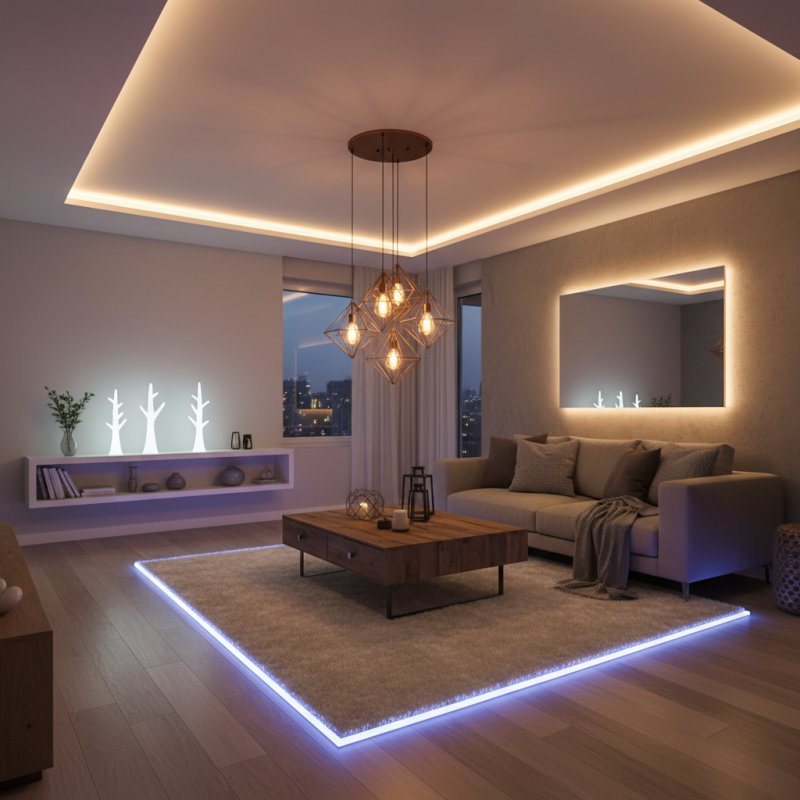
When planning to enhance your home’s ambiance, LED decorative lights can be transformative. These lights come in various styles and colors, making them versatile for any room. Choosing the right LED decorative lights requires careful consideration of several factors.
Understanding your space is vital. For instance, warm white lights create a cozy feel while colorful options bring energy. However, relying too much on trendy designs may lead to regrets later. Think about your long-term vision for your home.
Quality matters. Some LED decorative lights are more durable than others. Ensure that you select products from reliable brands. Look for energy-efficient options that also provide the desired aesthetic. Remember, effective lighting is about more than just looks; it impacts mood and functionality.
Understanding the Different Types of LED Decorative Lights
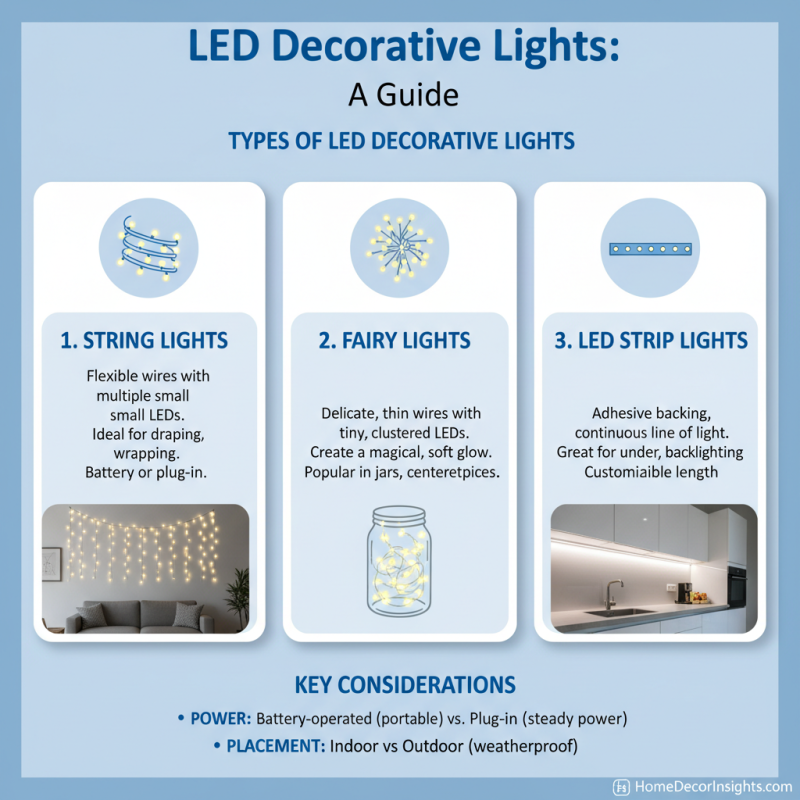
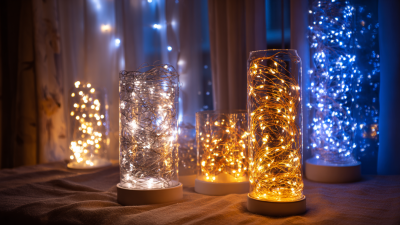
When selecting LED decorative lights for your home, it’s crucial to understand the different types available. String lights are popular choices. They can add warmth to any space. You can drape them along walls or ceilings. Look for battery-operated options if outlets are limited.
Another popular option is LED neon lights. They offer a modern vibe and can be shaped into various designs. These lights are typically more durable than traditional neon. Think about where you want to place them. They work well in bedrooms and entertainment areas.
Tips: Consider your room's color scheme. Choose lights that complement your decor. Also, think about brightness. Some LED lights allow you to adjust brightness levels. This flexibility can create different moods in your space. Don’t forget to explore smart LED options. They can sync with music or be controlled via an app. However, ensure compatibility with your existing systems before purchase.
Assessing the Brightness and Color Temperature for Your Space
Choosing the right LED decorative lights for your space involves more than just aesthetics. Brightness plays a crucial role in setting the mood. Measured in lumens, higher numbers denote brighter lights. A cozy living room might benefit from softer illumination around 200 to 400 lumens. This creates a welcoming environment without overpowering the senses.
Color temperature is equally important. It is measured in Kelvin (K). Warmer temperatures, below 3000K, produce a soft, yellow glow. This mimics traditional incandescent lights, perfect for intimate settings. Cooler temperatures, above 5000K, appear bluish and are better for task-oriented areas like kitchens. Deciding on the right balance can be challenging; sometimes, the contrast in lighting can feel stark.
Consider layering your lighting for dynamic effects. Combining different brightness levels and color temperatures adds depth. However, be cautious not to overdo it. Too many conflicting lights can lead to an overwhelming ambiance. Take the time to experiment. Let your space evolve as you discover what truly resonates with you.
Assessing Brightness and Color Temperature of LED Decorative Lights
Evaluating Energy Efficiency and Lifespan of LED Lights
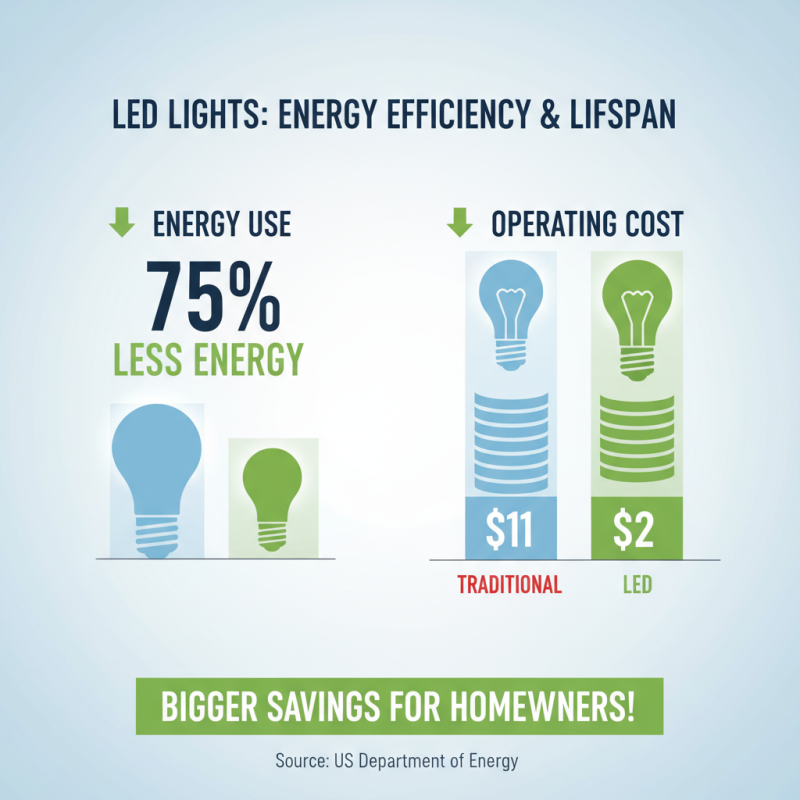
When selecting LED decorative lights, evaluating energy efficiency is crucial. According to the U.S. Department of Energy, LED lights use at least 75% less energy. This significant reduction translates to lower electricity bills. For instance, if a traditional incandescent bulb costs $11 to operate over its lifetime, an LED bulb costs about $2. This stark difference is compelling for homeowners looking to cut costs.
Moreover, the lifespan of LED lights is another pivotal factor. Research indicates that LED bulbs can last up to 25,000 hours. This is nearly 25 times longer than incandescent bulbs. Choosing longer-lasting lights means fewer replacements and less waste. However, some consumers may overlook the initial cost of LED lights, which is generally higher than incandescent options. This investment is justified when considering longer-term savings and environmental benefits.
Energy efficiency and lifespan are interlinked. Efficient lights contribute to reduced energy consumption. Yet, the challenge remains to educate consumers about these advantages. Many still resist switching to LED due to upfront costs. This hesitation can lead to missed savings and a larger carbon footprint. We need to reflect on our choices and the longer-term impact of lighting decisions on both finances and the environment.
Considering Design and Aesthetic to Match Your Home Decor
Choosing the right LED decorative lights for your home can be a daunting task. The design and aesthetics of your lighting should complement your decor. Consider the colors and patterns in your space. Soft white lights work well in traditional settings, while colorful options can highlight modern designs.
When selecting lights, think about their placement. Hanging lights can create focal points. String lights add a whimsical touch to outdoor spaces. Assess the scale of your furniture and decor. Overly large fixtures can overwhelm a small room. Conversely, tiny fixtures may get lost in larger areas.
You might also reflect on features like dimmability and smart controls. These conveniences can enhance your experience. Still, not every choice will suit your needs. Experimenting with different styles can lead to unexpected outcomes. Remember, the goal is to feel good in your space. Embrace the process of evolving your home's look with lighting.
Exploring Installation Options and Maintenance Requirements
When choosing LED decorative lights for your home, installation options and maintenance requirements are crucial. Many people overlook the installation process, thinking it’s straightforward. However, some lights require specific mounting techniques. For instance, recessed lights need proper space in your ceiling. Outdoor lights often require weatherproof fixtures and secure wiring. Take your time to read the installation guide. It can help avoid future problems.
Maintenance is another aspect that deserves attention. While LED lights last longer than traditional bulbs, they still require care. Dust can accumulate, reducing brightness. Regularly cleaning the fixtures is necessary. Some may find it tedious to climb ladders for high installations. Consider using a microfiber cloth or an extendable duster. Check connections periodically to ensure everything works smoothly. This simple effort can prolong the lifespan of your decorative lights. Sometimes, we forget the little details that ensure safety and efficiency. Neglecting maintenance can lead to unexpected failures or even hazards.