What is Led Decorative Lights and How Can They Transform Your Space?
LED Decorative Lights have become increasingly popular in modern interiors. According to a recent report by MarketsandMarkets, the global LED lighting market is projected to reach $143 billion by 2023. This growth reflects a shift towards energy-efficient solutions in design. These lights not only enhance aesthetics but also contribute to energy savings.
Transforming spaces is effortless with LED Decorative Lights. They come in various styles, colors, and intensities, allowing personalized designs. A study from the American Journal of Environmental Sciences indicates that proper lighting can improve mood and productivity. This suggests that creative lighting choices can significantly impact daily life.
However, many still overlook the potential of LED Decorative Lights. Some users struggle with selecting the right type for their needs. The complexity of different options can be daunting. Taking time to research and understand these lights can lead to more satisfying results. Embracing this technology can enhance not just beauty, but also functionality in any space.
What Are LED Decorative Lights? An Overview of Technology and Types
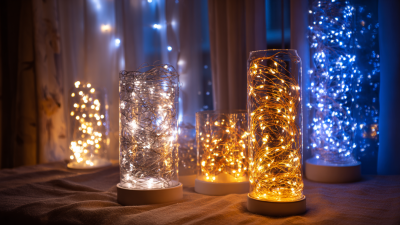
LED decorative lights are a versatile lighting solution that can enhance various spaces. These lights come in multiple forms, including string lights, wall-mounted fixtures, and accent lighting. They use light-emitting diodes (LEDs), which are known for their energy efficiency and long lifespan. According to a study by the U.S. Department of Energy, LED lighting can use up to 75% less energy than traditional incandescent bulbs. This not only saves on electricity bills but also reduces the overall carbon footprint.
The variety of LED decorative lights allows for creativity in design. For instance, programmable RGB LED strips can create a mood through color changes. Statistics suggest that nearly 61% of consumers appreciate the ability to personalize their environments with such lights. However, it’s essential to consider installation and compatibility with existing fixtures. Some find the setup complicated or the options overwhelming. Ensuring compatibility can prevent disappointment, as not all LED lights work seamlessly with older systems.
Furthermore, selecting the right type of LED light is crucial. Ambient, task, and accent lighting each serve different purposes. Misplacing or misusing lights can result in a cluttered or uninviting space. Inadequate placement might not effectively highlight desired areas or features. Careful planning is necessary to achieve the best results. Even with the advanced technology available today, finding the right balance is an ongoing challenge for many decorators.
The Science Behind LED Technology: Efficiency and Light Quality Explained
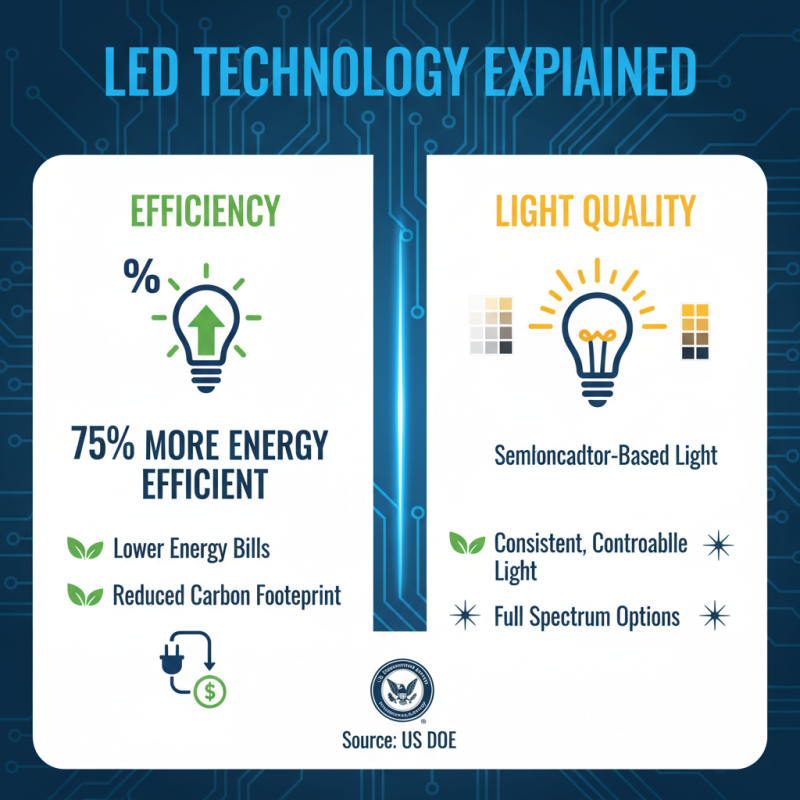
LED technology has revolutionized the way we illuminate our spaces. Unlike traditional bulbs, LEDs use semiconductor materials to convert electricity into light. According to the U.S. Department of Energy, LEDs are approximately 75% more energy-efficient than incandescent lighting. This efficiency translates to lower energy bills and reduced carbon footprints, making LEDs a smart choice for both homeowners and businesses.
The quality of light emitted by LEDs is another standout feature. They offer a broad spectrum of colors without the warm-up time associated with other bulbs. Research from the Energy Efficiency Global Forum shows that LED light can improve focus and productivity, essential in work environments. However, the color rendering index (CRI) of some lower-quality LEDs may not accurately represent colors. This can affect aesthetic choices and lead to dissatisfaction in design, highlighting the need for careful selection of LED products.
Moreover, while LEDs have a long lifespan of around 25,000 hours, they are not infallible. Dimming features can sometimes lead to flickering if not properly installed. Users should also consider the impact of blue light emitted by many LEDs, which can disrupt sleep patterns. Awareness of these factors is crucial for maximizing the benefits of LED decorative lighting while minimizing potential drawbacks.
The Impact of LED Lighting on Mood and Ambiance in Different Spaces
LED lighting has a profound effect on mood and ambiance in various spaces. The cool, bright light can energize a room, making it ideal for workspaces and study areas. Bright white LEDs can increase alertness and productivity, creating a vibrant atmosphere. In contrast, warm LED tones are softer and more inviting. They transform a space into a cozy retreat, perfect for living rooms or bedrooms.
Color plays a crucial role as well. Different hues can evoke distinct emotions. For example, blue light can provide tranquility, while red light often suggests passion or intensity. Using LED strips to change colors can create dynamic experiences. However, overuse or harsh lighting can lead to discomfort. Finding a balance is essential.
Creating the right ambiance is not just about brightness or color. It's also about placement. Lighting fixtures should highlight architectural features or artwork to enhance visual interest. Experimenting with layers of light, including ambient, task, and accent, can bring depth to a room. A poorly lit or overly bright space can leave you feeling unsettled. Thoughtful design is key to maximizing the benefits of LED decorative lights.
Comparative Analysis: LED Decorative Lights vs. Traditional Lighting Options
LED decorative lights are revolutionizing the way we illuminate our spaces. Compared to traditional lighting options, they offer greater flexibility and efficiency. These lights come in various shapes, colors, and sizes, allowing for creative applications in homes and businesses. The vibrancy of LED lights can create stunning atmospheres that traditional bulbs struggle to match.
One significant advantage of LED lights is their energy efficiency. They consume less electricity and have a much longer lifespan than incandescent or fluorescent lights. For example, an LED bulb can last up to 25,000 hours, while a typical incandescent bulb may last only 1,000 hours. This longevity means less frequent replacements and reduced waste.
However, not all LED lights are created equal. It’s essential to choose quality products for optimal performance. Some cheaper options may flicker or have inconsistent brightness. When selecting LED lights, look for those with a high Color Rendering Index (CRI) for better color accuracy.
Tips: Always check the lumens rating to ensure you have adequate brightness. Remember, color temperature matters too; a cooler light can enhance focus, while warmer lights can create a cozy atmosphere. Balancing these elements can maximize your space's aesthetic appeal.
Creative Applications: Transforming Spaces with LED Decorative Lights
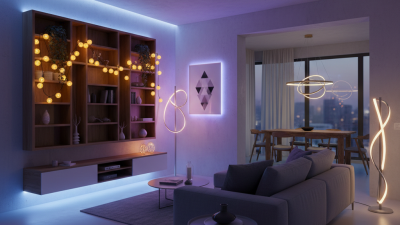
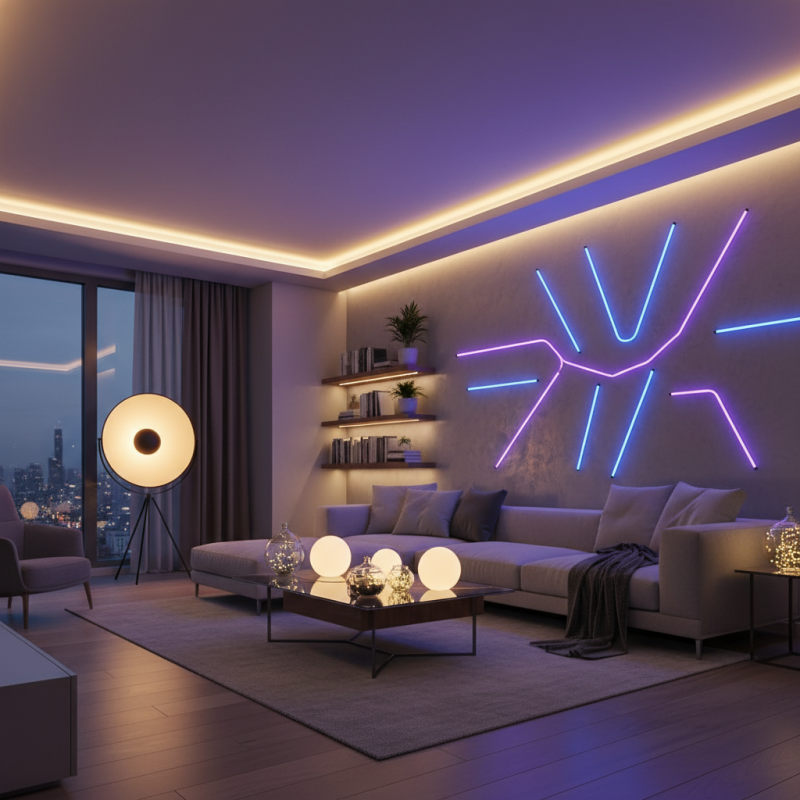
LED decorative lights offer countless creative applications in transforming spaces. With their versatility, these lights can enhance both indoor and outdoor environments. For instance, a dimly-lit living room can be transformed into a cozy retreat with soft LED string lights. Hanging them over furniture or along walls creates a warm ambiance. You can play with different colors to set the mood.
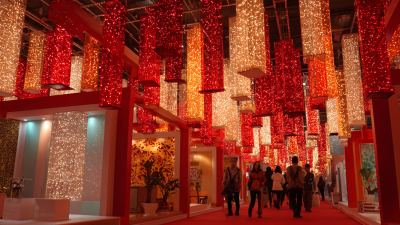
In commercial settings, the use of LED lights can redefine customer experiences. Restaurants can use them to outline bar areas or to highlight artwork. Subtle changes can attract attention and add character. However, too many lights can overwhelm. Striking a balance is essential.
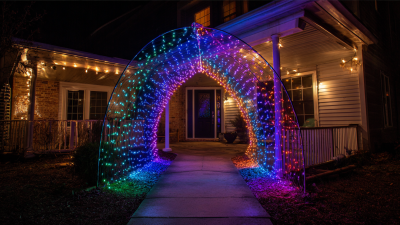
Outdoor spaces can also benefit significantly. LED lights illuminate pathways or highlight garden features. Consider using them tastefully to create enchanting nighttime scenes. Failure to plan the placement may lead to areas being too bright or too dim. Reflecting on the right intensity and position can make a significant difference.