What is Linear Lighting Pendant How to Choose the Best One?
Linear Lighting Pendants have become a focal point in modern interior design. These fixtures blend style with functionality, providing illumination while enhancing the aesthetics of a space. According to the Lighting Research Center, linear lighting can improve spatial perception and create a more inviting atmosphere.
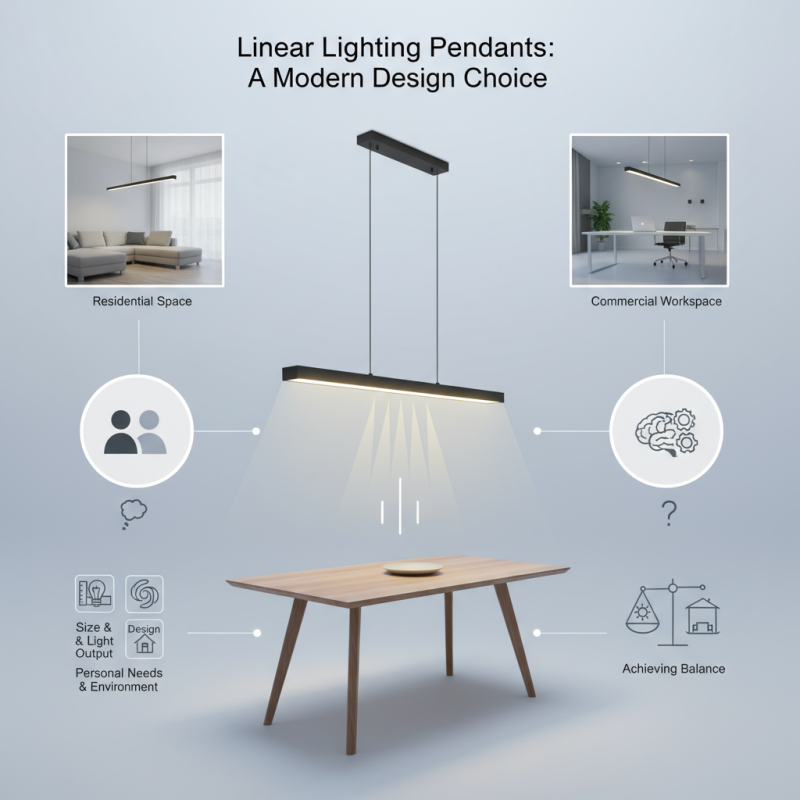
Expert Mark Johnson, a leading figure in the lighting industry, emphasizes, "Choosing the right linear lighting pendant can transform any room." However, many consumers struggle with selection. There are numerous styles and functionalities available. A well-chosen pendant can elevate a dining area or brighten a workspace. It's vital to consider factors like size, light output, and design style.
Yet, not all pendants are created equally. Some may not provide sufficient light, while others can overwhelm a space. The goal is to achieve balance. Therefore, it is essential to reflect on personal needs and the surrounding environment when making a choice. Understanding these elements will guide anyone in finding their ideal Linear Lighting Pendant.
What is Linear Lighting Pendant?
Linear lighting pendants are modern fixtures designed to provide uniform illumination in an elongated form. These sleek designs, ranging from minimalist styles to more intricate structures, have become increasingly popular in residential and commercial decor. According to industry reports, the global linear lighting market is expected to reach USD 6.3 billion by 2027, showcasing their growing relevance in contemporary lighting solutions.
When choosing a linear lighting pendant, several factors come into play. The size and scale should match the space where it will hang. For instance, a pendant that is too small can feel insignificant, while one that is overly large may overwhelm the surroundings. Additionally, the color temperature matters. Warm light can create a cozy atmosphere, making it ideal for dining areas, whereas cooler tones are better suited for workspaces. The choice of materials also plays a role; glass and metal finishes can either blend with or stand out against the decor.
Some may overlook the importance of energy efficiency. High-quality linear pendants can have a significant impact on energy consumption. Reports indicate that LED options can reduce energy use by up to 75% compared to traditional incandescent bulbs. It's essential to balance aesthetic appeal with practical energy-saving features to make a well-informed choice.
Key Features and Benefits of Linear Lighting Pendants
Linear lighting pendants have gained popularity in both residential and commercial spaces. Their sleek design enhances modern aesthetics while providing functional illumination. According to a report by the American Lighting Association, approximately 42% of households are now incorporating linear lighting into their decor choices. This surge reflects a growing trend towards minimalistic and efficient lighting solutions.
One of the critical features of linear lighting pendants is their ability to promote even light distribution. This is particularly beneficial in workspaces where focused lighting is essential. Studies show that proper lighting can increase productivity by up to 25%. Furthermore, these pendants often come with adjustable settings, allowing users to customize brightness levels. This flexibility is a significant advantage, especially in versatile environments that require different lighting moods.
Another essential benefit is energy efficiency. Many linear pendants use LED technology, helping to reduce electricity costs significantly. Data from the U.S. Department of Energy indicates that replacing traditional lighting with LEDs can save up to 75% in energy consumption. However, potential buyers should reflect on their specific needs. Choosing the wrong size or style can lead to inefficiencies and dissatisfaction. It's crucial to consider factors such as ceiling height and room function before making a decision.
What is Linear Lighting Pendant? Key Features and Benefits
| Key Features |
Benefits |
Ideal Use Cases |
Material Options |
| Sleek and Modern Design |
Enhances contemporary decor |
Dining rooms, Kitchens |
Metal, Glass, Wood |
| Adjustable Brightness |
Customizable lighting experience |
Living rooms, Offices |
Aluminum, Acrylic |
| Energy Efficient LED Options |
Lower energy costs |
Hallways, Retail Spaces |
LED, Composite Materials |
| Versatile Lengths and Styles |
Fits various room sizes and aesthetics |
Commercial spaces, Showrooms |
Stainless Steel, Fabric |
| Pendant Height Adjustability |
Suitable for multiple ceiling heights |
Restaurants, Hotels |
Wood Veneer, Glass Blown |
Types of Linear Lighting Pendants Available in the Market
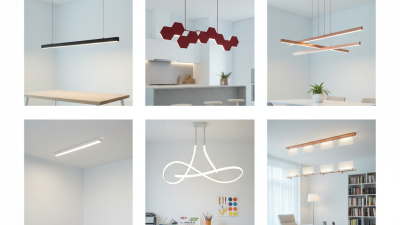
Linear lighting pendants have gained popularity due to their sleek design and versatility. They serve both functional and aesthetic purposes in various settings. Understanding the types available can help you choose the best one for your space.
Several types of linear lighting pendants are available in the market. For instance, LED linear pendants are favored for their energy efficiency and long lifespan. According to the U.S. Energy Information Administration, LED lighting consumes up to 75% less energy than traditional incandescent counterparts. Another type includes suspended linear pendants, which add a modern touch to dining spaces. They often feature adjustable heights, allowing for customization.
When selecting a linear pendant, consider the style and scale of your room. A large, bold pendant can be a statement piece, while smaller versions provide subtle illumination.
Tips: Always check the lumens output before purchasing. Ensure it fits the intended space. Also, consider the color temperature, as it affects the mood. A cooler tone works well in kitchens, while warmer tones suit living areas.
Remember, not all linear pendants are created equal. Some designs may not provide sufficient light for task-oriented spaces. Therefore, balancing form with function is crucial.
Types of Linear Lighting Pendants in the Market
Factors to Consider When Choosing a Linear Lighting Pendant
When choosing a linear lighting pendant, several crucial factors come into play. The first consideration is the size of the space where it will be installed. A linear pendant should proportionally fit the area. For example, a longer pendant may suit a dining table better than a small one. According to industry reports, the ideal width of a linear pendant should be about one-third the width of the table it hangs over.
Another essential factor is the height at which the pendant is installed. A general rule is to hang pendants about 30-36 inches above the tabletop. This ensures sufficient lighting while preventing obstruction for diners. Brightness levels are also important. Pendants with adjustable lumen output can provide flexibility for different moods and activities. In a recent survey, over 70% of homeowners preferred adjustable lighting in shared spaces.
Tips: Always consider the color temperature of the light. Warmer tones create a cozy ambiance, while cooler tones are better for task lighting. Use dimmers to enhance versatility. Evaluate the material and design—metal finishes often reflect light better but may show fingerprints easily. Lastly, look for energy-efficient options that meet your sustainability goals.