7 Tips for Buying DOB LED Lights in Bulk
Buying a Dob Led Light in bulk is not just a price exercise. A shipment may serve a warehouse, retail floor, or long corridor, where uneven brightness quickly becomes visible. Buyers must compare electrical specifications, heat management, light output, and supplier consistency before committing to hundreds of units. Small differences matter.
The U.S. Department of Energy’s LED guidance reports that LEDs use at least 75% less energy and can last up to 25 times longer than incandescent lighting. These figures describe LEDs broadly, not every DOB product or installation. Actual performance depends on the fixture, operating conditions, and product quality. Still, the data shows why efficiency and lifetime deserve attention alongside purchase price. A low unit price still feels persuasive. That instinct can mislead.
For bulk orders, request a detailed datasheet showing input voltage, wattage, lumen output, color temperature, and operating temperature. Check that the DOB design matches the intended fixture and installation conditions. Ask for sample units, warranty terms, and consistent batch records before approving a large order. If specifications are vague, pause and verify them. A missing detail today can become a costly replacement later.
The following seven tips focus on practical checks that help buyers compare suppliers, assess product claims, and reduce avoidable procurement risks. No checklist can remove every uncertainty. But careful verification can make a large order far more predictable.

Understanding DOB LED Technology and Bulk Purchasing Needs
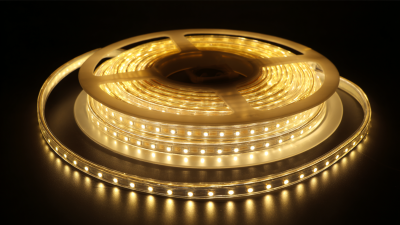
DOB (Driver-on-Board) LED designs place driver components directly on the LED circuit board. This can reduce separate parts and create a compact light engine. Fewer parts do not automatically mean better performance. Heat still matters.
Check how each model handles heat. Review its rated input voltage, wattage, operating temperature, and dimming compatibility. Ask for test data and a complete datasheet, not just a product photo. A sample run helps reveal issues such as uneven brightness, excess heat, or difficult installation. Let it run for several hours. Small details count.
Bulk purchasing adds another layer. Confirm that the quoted model, LED color temperature, and component specifications will remain consistent across production batches. Request written tolerances and clarify how defects are handled. Also compare packaging, delivery schedules, and replacement-part availability. A low unit price can lose its appeal if cartons arrive late or products vary noticeably. Inspect a sample from each delivery when possible. Keep records. I have seen buyers overlook connector details, then discover their existing fixtures need changes. That is an avoidable surprise, though specifications can still be easy to misread. When requirements are unclear, ask the supplier to confirm them in writing before placing a large order.
Defining Performance, Compatibility, and Safety Requirements
For bulk orders, define performance before comparing unit prices. A DOB (driver-on-board) lamp integrates the driver with the LED board, so heat, voltage range, and dimming behavior need close attention. The International Energy Agency reports that lighting accounts for about 15% of global electricity consumption. That scale makes efficacy worth measuring, not assuming. Request tested lumens per watt, color temperature, color rendering, and lumen-maintenance data, with the test conditions clearly stated. Small details matter.
Compatibility should be checked in the actual installation. Confirm the required input voltage, socket, enclosure clearance, and dimmer type; then test samples at low and full output. A lamp that works on a bench may flicker or overheat inside a sealed fixture. DOE’s 2019 Solid-State Lighting forecast projected substantial U.S. energy savings from wider LED adoption, but those savings depend on products performing in their intended applications. Ask suppliers for documented thermal and electrical test results, plus clear guidance on compatible controls.
Safety documentation deserves the same scrutiny as photometric data. Verify that testing and certifications match the destination market and intended use; a certificate for one configuration may not cover another. Check surge protection, insulation, operating-temperature limits, and traceability across production batches. Buy a small pilot lot before committing to a container, and inspect samples after sustained operation. This takes time. I would still question any quotation that promises universal dimmer compatibility without naming tested models or conditions.
Evaluating Suppliers, Certifications, and Product Quality
Bulk orders make supplier checks more important than a low unit price. Ask who manufactures the lights, where production takes place, and how batch changes are controlled. Request recent test reports for the exact model, not a similar-looking product. Check that model numbers, rated wattage, input voltage, and claimed performance match across the report and product label. A certificate alone is not enough. Details matter.
For certifications, confirm the document is current and applies to the product configuration and destination market you need. Ask for clear copies and verify them with the issuing organization where possible. Scope can vary. Then assess product quality with samples from the intended production batch. Run them for several hours, check heat around the lamp body, and look for unstable brightness or visible flicker. Compare color appearance across several units, not just one. DOB designs integrate driver components onto the board, so ask about thermal management, surge protection, and compatibility with your supply voltage. Request written tolerances and a defect-handling process before placing a large order. I would still keep a small buffer for variation; supplier documents cannot reveal every production flaw. A tidy sample may not represent the whole shipment.
Comparing Bulk Pricing, Order Terms, and Warranty Coverage
When comparing bulk quotes for DOB LED lights, look beyond the unit price.
A lower price may depend on a larger minimum order, longer lead time, or limited packaging options. Ask for a written price schedule showing how costs change at different quantities. Check whether freight, sample fees, and replacement units are included.
Small details matter.
Compare identical specifications, including wattage, color temperature, dimming method, and operating conditions, or the cheapest quote may not be a fair comparison.
Review the order terms before approving a large batch.
Confirm production time, payment milestones, cancellation rules, and what happens if shipment quantities differ from the purchase order. Request a sample from the same production process when possible. It may reveal issues a specification sheet misses.
Warranty coverage needs equal attention:
check its length, covered components, exclusions, and the evidence required for a claim. For DOB designs, clarify whether coverage includes the integrated driver and what happens after electrical stress or overheating. A warranty can sound generous but still be hard to use.
Buyers sometimes overlook claim shipping costs; that is an easy mistake to make.
Keep the quote, approved sample details, and warranty terms together for later checks.
Planning Samples, Shipping, and Post-Purchase Support
Before placing a bulk order for DOB LED lights, request samples from the same production specification planned for the full run. Compare color temperature, brightness, and light distribution in the room where the lights will be used. A desk test may not reveal glare on a glossy counter. Check dimmer compatibility and look for visible flicker at different settings. Keep notes. Small differences matter.
Ask how samples relate to mass production, and get key specifications in writing. For shipping, confirm carton quantities, protective packing, dispatch dates, and whether the quoted schedule includes customs clearance. Request photos of packed cartons and tracking details before the shipment leaves. Fragile components can shift during transit, so inspect a few cartons as soon as they arrive. Do not wait until installation.
Post-purchase support should be agreed before payment, not negotiated after a problem appears. Confirm the warranty period, the information needed to report a fault, and whether replacement drivers or other parts are available. Ask how quickly support usually responds. That detail can be harder to pin down. A sample may pass every check, yet a large batch can still show variation; document any defects with photos and batch labels, and agree on a clear resolution process.