Top 10 Led Can Light Brands in China You Should Consider?
In the ever-evolving landscape of home lighting, "Led Can Light" has become a pivotal choice for many homeowners and designers alike. David Chen, a renowned lighting expert, once stated, "The right lighting can transform a space, and Led Can Light does just that." His insights highlight the growing significance of this innovative solution in modern environments.
Amidst various brands, finding the best quality can be a challenge. The market is saturated, making it essential to discern which brands truly stand out. Factors like energy efficiency, brightness, and design play crucial roles. One must reflect on their specific needs to make informed decisions. Sometimes, even popular brands may not align with individual requirements.
As we explore the top 10 Led Can Light brands in China, it is vital to consider their unique features and customer feedback. Each brand offers various options, and navigating this array can be daunting. Not every product is suited for everyone, and that’s where research becomes integral. Understanding the nuances of each brand can lead to better choices and satisfaction.
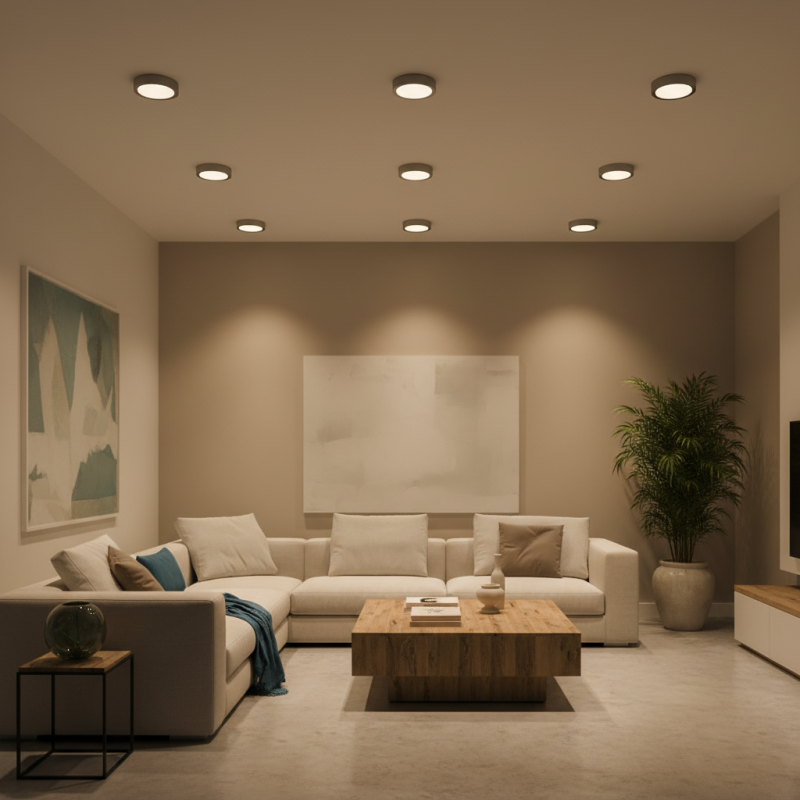
Top 10 LED Can Light Brands in China: An Overview
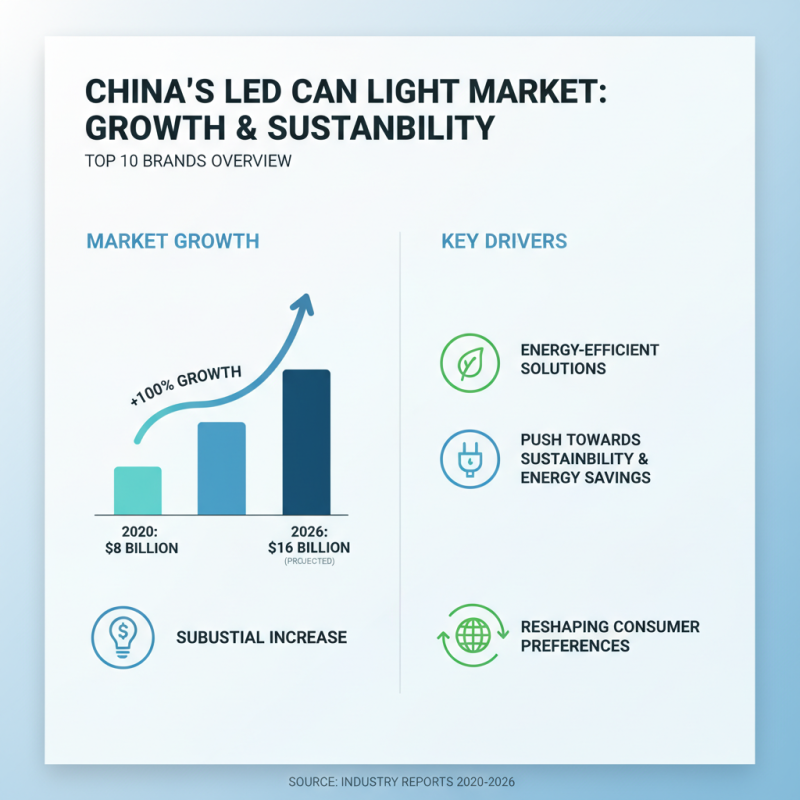
China's LED can light market has seen significant growth over the years. Reports indicate that the market was valued at approximately $8 billion in 2020 and is projected to reach $16 billion by 2026. This substantial increase reflects a rising demand for energy-efficient lighting solutions. The push towards sustainability and energy savings is reshaping consumer preferences.
Numerous brands dominate the LED can light market. While each brand boasts unique features, innovation and energy efficiency remain top priorities across the board. Many companies are investing heavily in research and development. In 2021 alone, the average investment in R&D among leading brands exceeded 10% of total revenue. This commitment to innovation has resulted in products that not only last longer but also offer better light quality.
Despite advancements, challenges persist. Issues such as inconsistent quality and varying standards can confuse consumers. Many buyers struggle to identify reliable products. A recent survey highlighted that up to 30% of consumers express dissatisfaction with their purchases due to performance discrepancies. Such findings underscore the need for better industry standards and consumer education. Understanding the landscape is crucial for informed decisions.
Key Features to Consider When Choosing LED Can Lights
Choosing the right LED can lights involves several key features. Brightness is a primary factor. Measured in lumens, higher lumens mean brighter light output. For example, 800 lumens can adequately light a small room, while larger spaces may require 1600 lumens or more. Consulting industry reports reveals that adequate brightness improves safety and ambiance in homes and workplaces.
Another critical aspect is color temperature. This feature affects mood and functionality. Typically, color temperatures range from warm white (2700K) to cool white (5000K). Warm light is cozy and inviting. In contrast, cool white light is more energizing and suited for workspaces. Studies indicate that the right color temperature boosts productivity by up to 15%.
Finally, energy efficiency cannot be overlooked. LED lights consume less power, translating to lower electricity bills. According to recent data, switching to LED can reduce energy consumption by 75%. However, it's essential to consider the initial cost versus long-term savings. Some consumers find the upfront investment challenging. Balancing these factors can lead to better decision-making when selecting LED can lights.
A Detailed Review of the Leading LED Can Light Brands
The LED can light market in China is rapidly expanding. A report from ResearchAndMarkets indicates that the industry is projected to grow by over 15% annually. This growth is driven by advancements in energy efficiency and design versatility. Consumers are increasingly drawn to LED can lights for their long lifespan and lower energy consumption.
Several top brands offer unique features that cater to various needs. For instance, many models offer easy installation and compatibility with smart home systems. However, not all products perform equally in terms of brightness and color accuracy. It’s crucial for consumers to analyze these factors before making a purchase. Some brands may have flashy marketing, but real user reviews often highlight performance issues.
While the market is flooded with options, there's a lack of standardized quality assessment. Many brands do not provide comprehensive specifications or testing results. Users need to remain vigilant and seek products with verified performance metrics. The gap between advertised quality and actual user experience sometimes leads to disappointment. It's essential to prioritize reliable sources when researching LED can lights.
Top 10 LED Can Light Brands in China - Sales Volume Comparison
Comparative Analysis of Energy Efficiency in Top Brands
When evaluating energy efficiency among LED can light brands in China, consideration of lumens per watt is crucial. Industry reports indicate that a typical energy-efficient LED can generate about 80 to 100 lumens for every watt consumed. This efficiency translates to significant savings on electricity bills over time. Many brands claim superior performance, yet not all can sustain these figures under real-world conditions.
Another critical factor is the lifespan. Most high-quality LEDs offer a lifespan of 25,000 to 50,000 hours. However, variances exist based on manufacturing processes. Some cheaper products may only last around 10,000 hours, leading to more frequent replacements. This can negate the initial cost savings through higher long-term expenses and waste generation.
Additionally, thermal management plays a vital role in energy efficiency. Effective heat dissipation mechanisms can enhance longevity and performance. Yet, low-cost models often overlook this aspect, resulting in overheating and diminished output over time. Regular testing and energy audits can support efficiency claims, offering consumers a clearer picture of performance across brands. This highlights the importance of making informed choices in a sea of options.
Customer Feedback and Brand Reputation in the LED Market
In the competitive LED market, customer feedback is a significant factor influencing brand reputation. Many consumers share their experiences online, highlighting both strengths and weaknesses. A brand may offer bright, energy-efficient lights, but if customer service is lacking, it can harm its reputation. Reviews often point out design flaws or durability issues that manufacturers need to address.
Moreover, brand reputation plays a critical role in purchasing decisions. Customers often lean towards brands with a history of reliability. A reputation built on consistent quality and innovation fosters trust. Some brands attract attention for exceptional warranties, giving buyers confidence in their choices. However, some customers may feel overwhelmed by choices, leading to confusion rather than clarity.
It's essential to acknowledge that no brand is perfect. Common complaints include pricing issues and availability concerns. Even top-rated brands may receive criticism for specific product lines. This feedback is crucial for brands to adapt and improve. Honest reviews—both positive and negative—create a more transparent market landscape. Customers benefit from this shared knowledge, paving the way for informed decisions.