Top 10 Led Tube Light Options for Global Buyers?
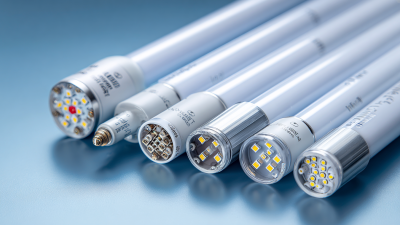
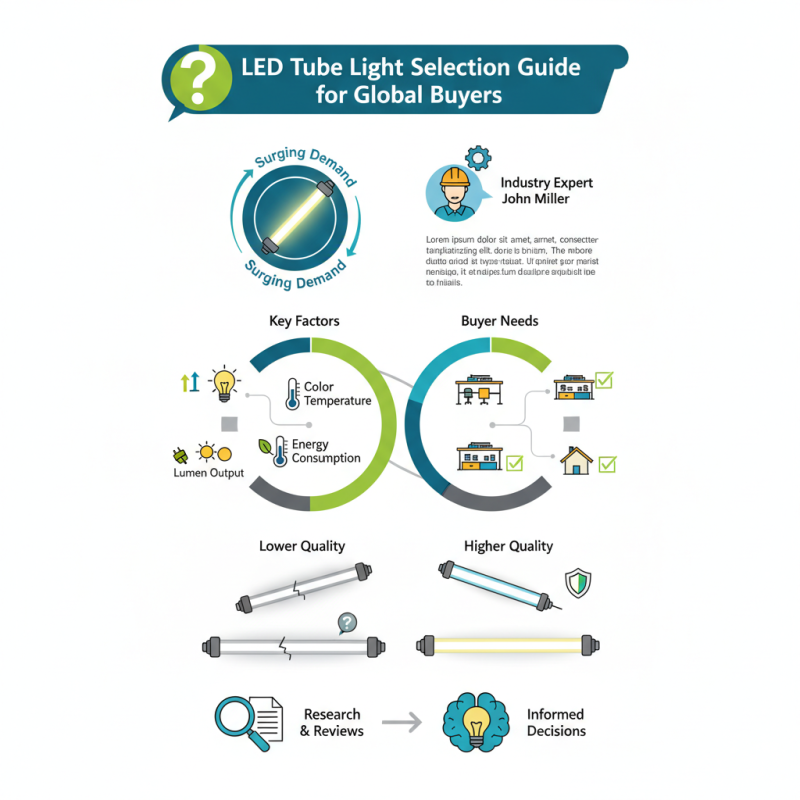
In recent years, the demand for Led Tube Lights has surged among consumers and businesses alike. Industry expert John Miller, a lighting engineer with over 15 years of experience, emphasizes the importance of quality in this market. He states, "Choosing the right Led Tube Light can transform a space and enhance energy efficiency." However, the plethora of options can leave buyers feeling overwhelmed.
When considering Led Tube Lights, it’s crucial to understand the differences in quality and performance. Factors such as lumen output, color temperature, and energy consumption play a significant role in selecting the right product. For example, a high lumen output may seem attractive, but it could lead to higher energy costs if not carefully evaluated. Each buyer’s unique needs must be addressed for optimal usage.
Moreover, many consumers may not realize that not all Led Tube Lights are created equal. Some products may lack the longevity and efficiency promised. This highlights the importance of researching reputable brands and user reviews. As the market evolves, making informed decisions becomes ever more essential.
Top Trends in LED Tube Light Technology for Global Markets
The LED tube light market is evolving rapidly, driven by technology advancements. A noticeable trend is the transition from traditional fluorescent lights to LED options. This shift is not just about energy efficiency but also visual comfort. LEDs offer better color rendering, ensuring spaces appear more vibrant and inviting. They reduce eye strain in workplaces and homes alike.
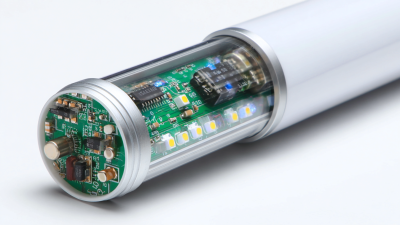
Another significant trend is the integration of smart technology. Wireless controls allow users to adjust brightness and color temperature. This capability enhances user experience and energy savings. Moreover, innovations in heat management extend the lifespan of LED tubes. Efficient thermal designs prevent overheating, which can diminish performance over time. Manufacturers are also focusing on sustainable materials, reflecting growing environmental awareness.
Despite these advancements, challenges remain. Not all LED lights provide consistent quality, causing confusion among buyers. Variability in lumens and color accuracy can impact decision-making. Consumer education is necessary to navigate options, ensuring informed choices. As the market diversifies, understanding these dynamics will be crucial for global buyers seeking reliable solutions.
Top 10 Led Tube Light Options for Global Buyers
| Model |
Wattage |
Luminous Flux (Lumens) |
Color Temperature (K) |
Length (inches) |
Energy Efficiency Rating |
| LED Tube Model 1 |
18W |
2100 Lumens |
4000K |
48" |
A+ |
| LED Tube Model 2 |
15W |
1800 Lumens |
5000K |
36" |
A++ |
| LED Tube Model 3 |
20W |
2400 Lumens |
3000K |
48" |
A++ |
| LED Tube Model 4 |
12W |
1500 Lumens |
4000K |
24" |
A+ |
| LED Tube Model 5 |
25W |
2800 Lumens |
5000K |
48" |
A++ |
| LED Tube Model 6 |
10W |
1000 Lumens |
3000K |
24" |
A+ |
| LED Tube Model 7 |
30W |
3200 Lumens |
4000K |
60" |
A++ |
| LED Tube Model 8 |
22W |
2600 Lumens |
5000K |
48" |
A+ |
| LED Tube Model 9 |
18W |
2200 Lumens |
4000K |
48" |
A++ |
| LED Tube Model 10 |
16W |
2000 Lumens |
3000K |
36" |
A+ |
Key Factors Influencing the Purchase of LED Tube Lights Worldwide
When buying LED tube lights, several key factors come into play. Understanding these factors can enhance your purchasing decisions.
First, energy efficiency remains a critical concern. Many shoppers look for high lumens per watt ratios. This attention leads to reduced electricity costs and longer product life.
Another important consideration is color temperature. Warm white, cool white, or daylight options create different atmospheres. Choosing the right temperature influences mood and functionality. Some settings, like offices, may benefit from cooler tones, while homes often require warmer shades.
Tip: Always check for compatibility with existing fixtures. Not all LED tube lights fit in every type of fixture. Some may require a ballast bypass, which can complicate installations.
Durability is also a factor to weigh. Look for lights with sturdy housing and high-quality materials. This can ensure the longevity you seek. Remember, cheaper options may not last as long, leading to frequent replacements.
Tip: Consider the warranty offered. A longer warranty often reflects confidence from manufacturers about their product quality.
Lastly, pay attention to certifications. Products with energy-star labels or equivalent certifications are generally more reliable. These considerations help build trust in your purchase choices.
Comparison of Energy Efficiency Ratings in LED Tube Lighting Options
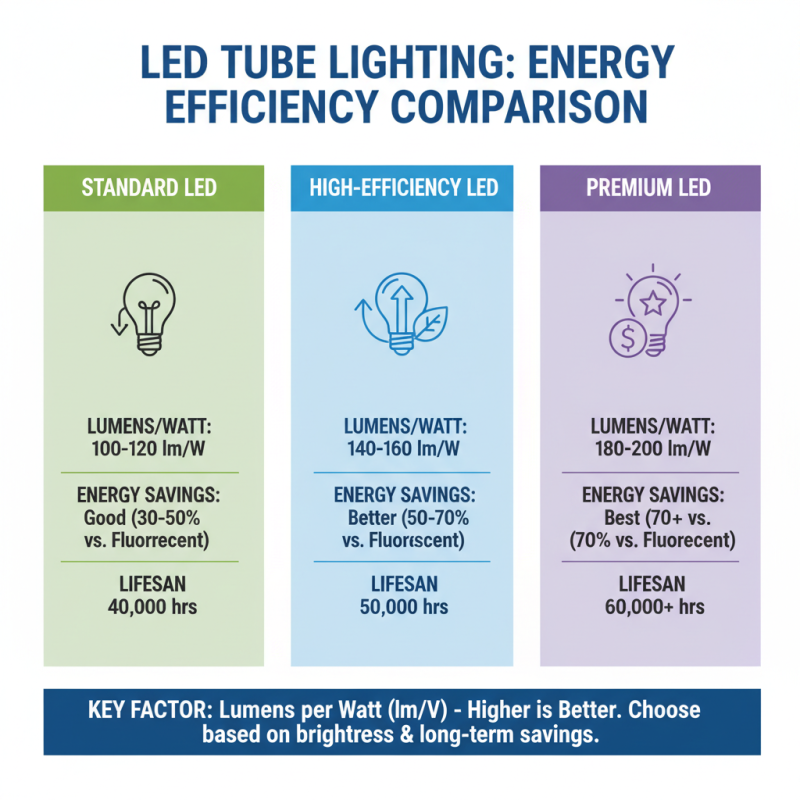
When selecting LED tube lights, energy efficiency is a primary factor. Many options vary widely in their ratings. Understanding these ratings can help consumers make informed choices.
LED tube lights typically have energy efficiency ratings expressed in lumens per watt. A higher lumen output means better lighting with less power. For example, some tubes emit 100-150 lumens per watt, making them efficient. In comparison, traditional fluorescent tubes often yield only 50-70 lumens per watt. This variance highlights the effectiveness of LED technology.
However, not all LED tubes deliver the same quality of light. Some may have a lower color rendering index (CRI), affecting color perception. Potential buyers should consider both wattage and CRI when selecting a tube. This can appear complicated, especially when faced with so many options. It may not be easy to find a balance between efficiency and quality.
Market Analysis: Leading Brands in the Global LED Tube Light Industry
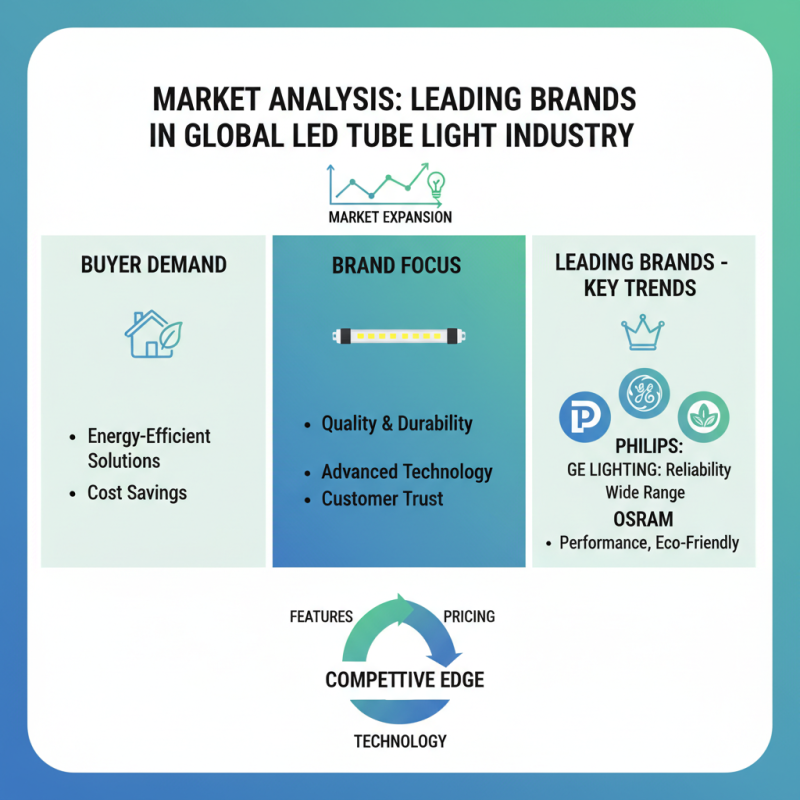
The global LED tube light market is expanding rapidly. Many buyers seek energy-efficient solutions for their lighting needs. Analyzing leading brands reveals trends in features, pricing, and technology. Brands focus on quality and durability to gain customer trust.
Tips: When selecting LED tube lights, consider color temperature. It affects ambiance significantly. Choose a warmer tone for cozy spaces. For work areas, opt for cooler shades. This can enhance focus and productivity.
The competition in this market is fierce. Brands aim for innovation, yet challenges remain. Some products may underperform or lack proper certifications. Always verify product reliability. Check for warranty and support services. Smart choices lead to better results.
Future Projections for LED Tube Light Adoption and User Preferences
The global shift towards energy-efficient lighting solutions has driven significant interest in LED tube lights. Recent reports from the International Energy Agency highlight that by 2025, LED lighting could account for over 60% of global lighting sales. This change is largely fueled by increasing awareness of energy savings and sustainability. Users prefer LED tube lights for their long lifespan, which can exceed 25,000 hours, and their lower energy consumption.
As urbanization continues, user preferences are leaning towards smart lighting systems. A survey conducted by market research firms found that 45% of consumers would consider a smart lighting feature when purchasing LED lights. However, challenges remain. Many consumers express concern about compatibility with existing fixtures and dimming capabilities. These reflections on product functionality indicate a need for industry education.
As more users explore LED technology, opportunities for product improvement are clear. Market analysts expect the LED tube light segment to grow significantly, with a compound annual growth rate of over 12% in the next five years. This growth signals a robust demand for reliable, efficient, and user-friendly lighting solutions. Adopting LED technology not only enhances energy efficiency but also promises a better user experience. As preferences evolve, manufacturers must address existing gaps to meet consumer expectations effectively.