Top Light Fixtures for Your Home Which Ones to Choose?
Choosing the right light fixtures can dramatically enhance your home’s ambiance. According to renowned lighting designer Mark Schaffer, “The right light fixture can transform a room.” This insight reminds us how crucial these elements are in setting the mood.
Light fixtures come in various styles, each impacting your space differently. From sleek modern designs to rustic fixtures, your choice reflects your personality. A well-placed chandelier can draw attention, while subtle wall sconces create a cozy feel. The size and brightness are also vital. Some fixtures might overwhelm small spaces, while others may not provide enough illumination.
However, the world of light fixtures is filled with options that can both inspire and confuse homeowners. Are you leaning towards energy-efficient LEDs or traditional lamps? Each choice affects not only the aesthetic but your utility bills as well. It’s easy to get lost in the myriad of options. Reflecting on your needs is essential. Lighting should enhance your life, not complicate it.
Choosing the Right Light Fixtures: Key Considerations
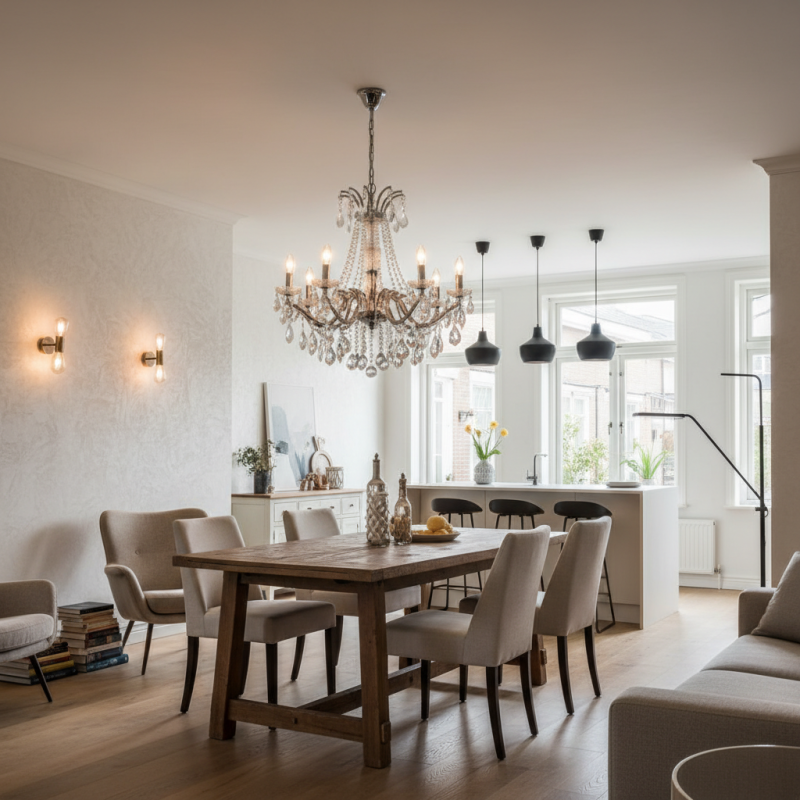
When choosing light fixtures for your home, consider several key aspects. The style of your space plays a critical role. For instance, modern homes often favor sleek designs, while traditional settings benefit from ornate fixtures. According to industry reports, over 70% of homeowners prioritize aesthetics when selecting lighting. Chandeliers may elevate a dining area, while pendant lights can focus attention on a kitchen island.
Another essential factor is functionality. Light fixtures should provide adequate illumination for their specific use. For example, task lighting is crucial in workspaces and bathrooms. A report by the American Lighting Association notes that 90% of people experience eye strain due to inadequate lighting. Consider adjustable fixtures that allow for versatility. Dimmers can also help create mood while enhancing energy efficiency.
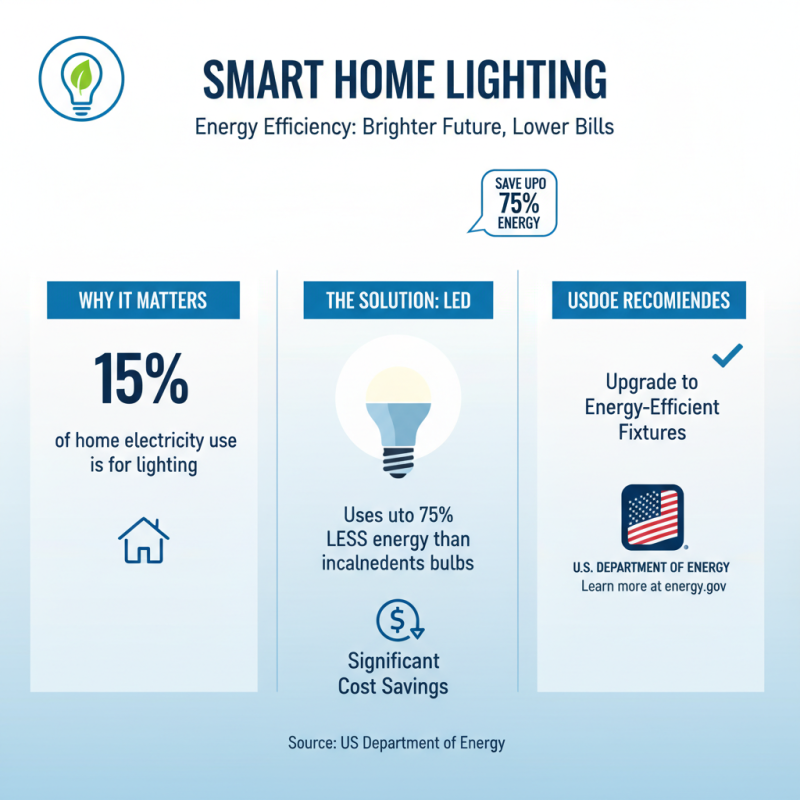
Finally, energy consumption matters too. LED bulbs consume 75% less energy than traditional incandescent bulbs. This switch can save homeowners up to $225 a year. However, it's important to reflect on the upfront costs versus long-term savings. Sometimes, a higher initial investment can lead to substantial returns in energy efficiency. Balancing style, function, and efficiency can make the process challenging yet fulfilling.
Top Light Fixtures for Your Home Which Ones to Choose?
| Fixture Type |
Best Use |
Style |
Light Source |
Average Price |
| Chandeliers |
Dining Rooms, Entryways |
Elegant, Modern |
LED, Incandescent |
$150 - $500 |
| Wall Sconces |
Hallways, Living Rooms |
Contemporary, Rustic |
LED, Halogen |
$50 - $200 |
| Pendant Lights |
Kitchens, Bar Areas |
Industrial, Vintage |
LED, Fluorescent |
$100 - $300 |
| Recessed Lighting |
Living Rooms, Offices |
Minimalist, Modern |
LED, Halogen |
$30 - $150 |
| Floor Lamps |
Living Rooms, Bedrooms |
Classic, Modern |
LED, Incandescent |
$70 - $250 |
Types of Light Fixtures: An Overview of Options Available
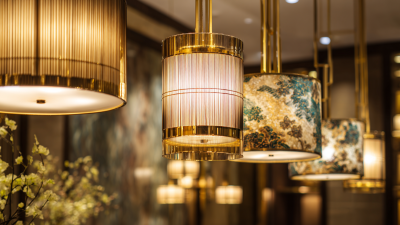
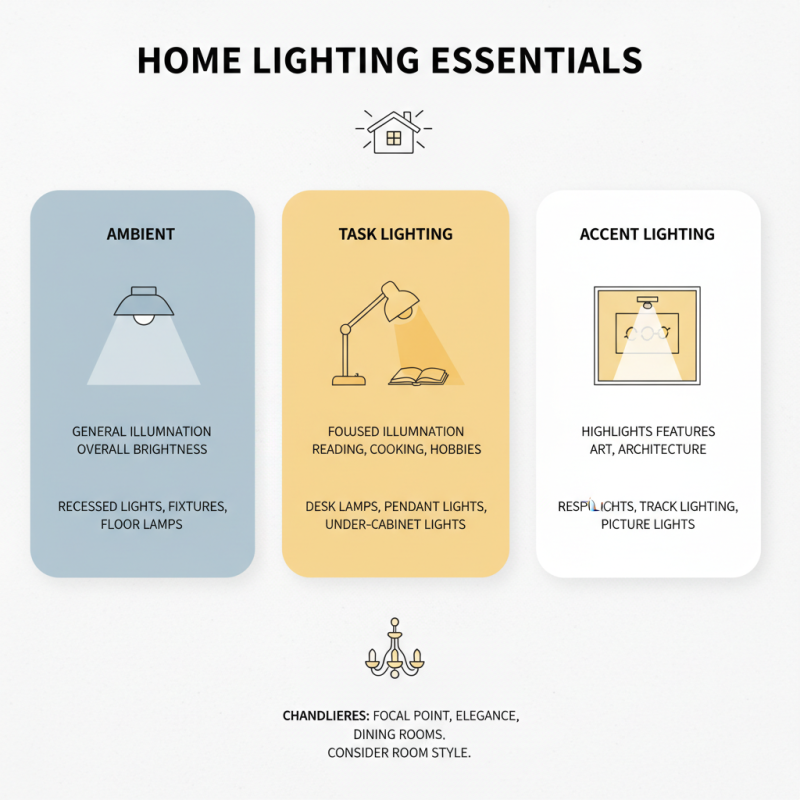
When it comes to lighting your home, understanding the types of light fixtures available is essential. From ambient lighting to task lighting, each type serves a different purpose. Chandeliers, for instance, provide a stunning focal point in dining rooms. They offer elegance but may not suit all styles. Consider the room’s decor before choosing.
Wall sconces are another option. They can create intimate spaces and highlight artwork. However, placing them too high or low can disrupt the room’s flow. Table lamps are versatile and can enhance any area. They also offer an easy way to introduce color or texture. Yet, coordinating them with other fixtures might take time.
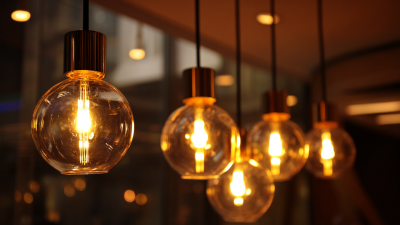
Flush mounts and pendant lights are practical choices for kitchens and hallways. They illuminate areas effectively, but their design must fit the overall aesthetic. Sometimes, choosing light fixtures can feel overwhelming. Take your time to explore. Visit shops or browse online. Remember, lighting sets the mood in your home.
Factors to Consider for Different Rooms in Your Home
Choosing the right light fixtures for your home can significantly impact the ambiance of each room.
In living areas, consider layered lighting.
A combination of ceiling fixtures, floor lamps, and table lamps creates warmth.
Dimmers can also help adjust brightness according to the occasion.
However, remember that excessive brightness can be harsh.
It might be worth experimenting with different bulbs to find the perfect balance.
When it comes to bedrooms, soft, ambient lighting is key.
Use bedside lamps with warm-toned bulbs for cozy evenings.
Avoid overhead lights that can be too stark.
In the kitchen, task lighting is essential.
Under-cabinet lights can illuminate workspaces effectively.
Yet, some may find these fixtures create shadows.
It's crucial to assess the layout and adjust accordingly.
Bathrooms require fixtures that are both functional and stylish.
Wall sconces on either side of the mirror provide even lighting for grooming.
Too bright lights can be unflattering.
You may consider trying various setups before finalizing your choice.
Overall, finding the right fixtures should be a thoughtful process, as each room has unique needs.
Energy Efficiency in Lighting: What to Look For
When selecting lighting for your home, energy efficiency is key. According to the U.S. Department of Energy, lighting accounts for about 15% of residential electricity use. Choosing energy-efficient fixtures can significantly reduce your utility bills. LED lights offer one of the best options because they use up to 75% less energy than traditional incandescent bulbs.
**Tips:** Always check the Energy Star rating. This label indicates high efficiency and performance.
Consider the light output measured in lumens. Choosing the right brightness can enhance your space while minimizing energy consumption. For example, a 10-watt LED bulb can produce the same brightness as a 60-watt incandescent bulb.
**Tips:** Don't hesitate to ask about dimming options. Dimming can also help save energy.
Think about your fixtures' design and placement. Not all beautiful lights are energy efficient, which can lead to regrets. Sometimes, we get drawn to styles without checking their energy impact. The right balance of style and efficiency is crucial.
Trends in Home Lighting: Styles and Technologies to Explore
Lighting design is experiencing a renaissance. Trends are shifting towards minimalist aesthetics with maximum functionality. According to a recent industry report, 35% of homeowners prioritize energy efficiency in their lighting choices. This reflects a growing awareness of sustainability issues, coupled with a desire to reduce energy bills.
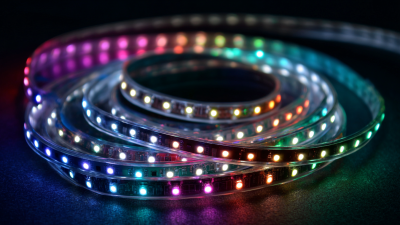
Modern technology is paving the way for innovative fixtures. Smart lighting systems are in high demand. These systems allow you to control brightness and color through apps. They provide convenience, yet some users feel overwhelmed by setup complexities. It's essential to balance technology with practicality.
Tips: Choose fixtures that complement your interior style. Warm white lights create a cozy atmosphere, while cooler tones enhance focus. When picking styles, consider layering different types of lighting. Ambient, task, and accent lighting can transform a space.
Another trend is the rise of natural materials. Wood and metal fixtures have become popular choices. Yet, reflections on individual taste matter. Some find metallic finishes too cold for their homes. Remember, lighting should reflect your personality, so take your time to explore various options.
Top Light Fixtures for Your Home: Trends in Home Lighting