Top 10 Smart Lights For Home That Transform Your Space?
In today’s modern living spaces, the right lighting can significantly impact ambiance and functionality. According to renowned lighting designer Sarah Johnson, “Smart Lights For Home are not just about illumination; they create an experience.” Her insights highlight how these innovative solutions transform daily life.
Smart lighting technology offers customization and convenience. Imagine setting your lights to mimic the sunrise, gently waking you up each morning. Alternatively, you can create a cozy atmosphere for movie nights with adjustable dimming options. The flexibility of these lights means you can tailor your environment to suit your mood or activity. Yet, it’s essential to consider compatibility with existing systems and user interfaces, as not all smart lights integrate seamlessly.
As homeowners increasingly seek efficiency, the role of Smart Lights For Home becomes critical. However, with various options available, it can feel overwhelming. Making informed choices requires research and practical understanding of how these devices fit into your lifestyle. Embracing innovation should also encourage reflection on energy consumption and sustainability, driving choices towards responsible usage.
Top Smart Lighting Trends Shaping Modern Home Design in 2023
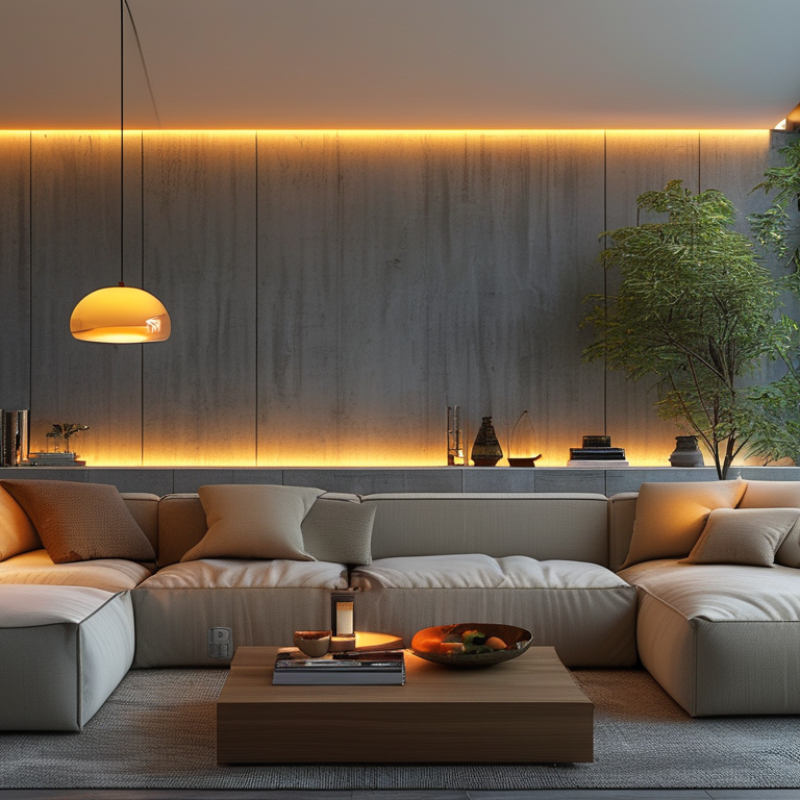
Smart lighting trends are transforming home design in 2023. One significant trend is the use of color-changing technology. Homeowners now can adjust hues according to their mood. Imagine a cozy amber glow for a movie night or a bright blue for an energizing morning. This versatility enhances the overall ambience of any room.
Another trend is the integration of smart lighting with home automation systems. Lights can now sync with your daily routines. They can automatically dim when it's time for bed or brighten when you're arriving home. This convenience simplifies life, but it can also lead to over-reliance on technology. It's essential to find a balance between innovation and simplicity.
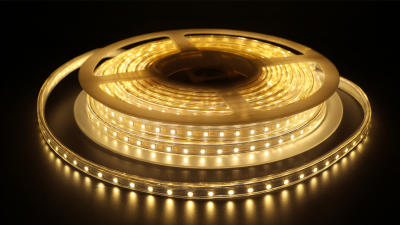
Sustainability is shaping smart lighting choices. Energy-efficient LED fixtures are popular now. They reduce electricity bills while having a lower environmental impact. However, some homeowners may overlook the importance of proper installation and placement. Poorly positioned lights can diminish their effectiveness. Addressing these details is crucial for maximizing benefits.
Key Features to Look for in Smart Lights: Energy Efficiency and Control
Choosing the right smart lights for your home involves understanding key features. Energy efficiency is paramount. Smart lights consume less power. This reduces your electricity bills and benefits the environment. Look for lights with LED technology. They use a fraction of the energy compared to traditional bulbs. This can lead to significant savings over time.
Control is another essential feature. The best smart lights offer versatile control options. You can use smartphone apps, voice assistants, or even wall switches. This flexibility enhances your convenience. Imagine adjusting the brightness or color with just your voice. It’s both futuristic and practical.
However, not all smart lights are easy to set up. Some may require complicated installations. It can be frustrating if you lack technical skills. Researching user experiences can provide insight into these challenges. Pay attention to reviews regarding reliability and customer support. This can help avoid potential headaches later on.
Impact of Smart Lighting on Home Safety and Security: A Data-Driven Analysis
Smart lighting significantly enhances home safety and security. Research indicates that homes with smart lighting are 30% less likely to experience break-ins. Many smart lights can mimic natural light patterns, creating an illusion that someone is home. This feature can deter potential intruders. In fact, a recent study revealed that 65% of burglars look for signs of occupancy before attempting a break-in.
Integrating smart lighting with home security systems adds an extra layer of protection. For example, when a motion sensor detects movement, smart lights can automatically turn on. This immediate response can startle potential intruders and alert homeowners. Additionally, reports show that homes equipped with smart security features, including lighting, see a 50% reduction in nighttime criminal activity.
However, smart lighting is not without its challenges. Users often face issues with system compatibility and connectivity. Some may find that their devices don’t integrate smoothly with existing security systems. This can lead to frustrating delays in response times. Addressing these concerns is essential for homeowners looking to improve their safety through smart technology. Proper research and setup are vital to maximizing the benefits of smart lighting for security purposes.
The Role of Smart Lights in Sustainable Living: Statistics and Benefits
Smart lights have become essential in promoting sustainable living. They consume less energy than traditional bulbs. This shift reduces your carbon footprint. Statistics show that smart lighting can decrease energy use by 30% to 50%. Simple changes like using LED technology can yield significant savings.
Choosing the right smart lighting can be daunting. Look for options with features like dimming capabilities and scheduling. These functions help optimize energy consumption. Ensure your smart lights integrate easily with your existing home systems. This promotes a seamless transition to smart technology.
Transforming your space goes beyond aesthetics. Smart lights can enhance mood and productivity. Consider adding motion sensors to save energy when rooms are unoccupied. While smart lights offer many benefits, be aware of potential over-reliance on technology. It’s crucial to find balance in your smart home journey.
Top 10 Smart Lights For Home That Transform Your Space
Popular Smart Lighting Brands: Market Share and Consumer Preferences
The smart lighting market is rapidly evolving, heavily influenced by consumer preferences and brand innovations. Various companies dominate this space, each offering unique features and functionalities. Many consumers gravitate toward lights that can be controlled via mobile apps and voice activation. These features enhance convenience and accessibility in daily life, making a significant impact on user experience.
Market analysis shows that consumers value energy efficiency and design. Aesthetic appeal plays a vital role in most purchasing decisions. Smart lights not only serve a purpose but also contribute to interior decor. However, some often overlook the necessity of compatibility with existing home systems. This lack of forethought can lead to frustration post-purchase.
Consumer feedback underscores reliability as a critical factor. Many users encounter issues with connectivity, which can hinder their experience. Brands that focus on robust technology generally gain a larger market share. Understanding these nuances can assist consumers in making wiser choices when investing in smart lighting solutions for their homes.