Top Smd Led Light Options for Global Buyers in 2026?
As the demand for SMD LED lights continues to grow, global buyers face numerous options in 2026. These lights offer energy efficiency and long lifespan, making them a popular choice among consumers and businesses. With advancements in technology, the market is flooded with various designs and functionalities.
However, navigating this landscape can be challenging. Buyers must consider factors like brightness, color temperature, and durability. SMD LED lights can vary significantly in quality and performance. Not all products meet the high standards expected in today’s market. Many products claim to deliver top-notch results, but not all live up to these promises.
It’s essential to select reliable suppliers that emphasize quality and customer satisfaction. Consumer reviews and expert recommendations can help gauge a product’s effectiveness. In 2026, understanding the landscape of SMD LED lights will require diligence and research. Continuing to reflect on purchasing choices can lead to better investments in lighting solutions.

Top SMD LED Light Technologies to Consider in 2026
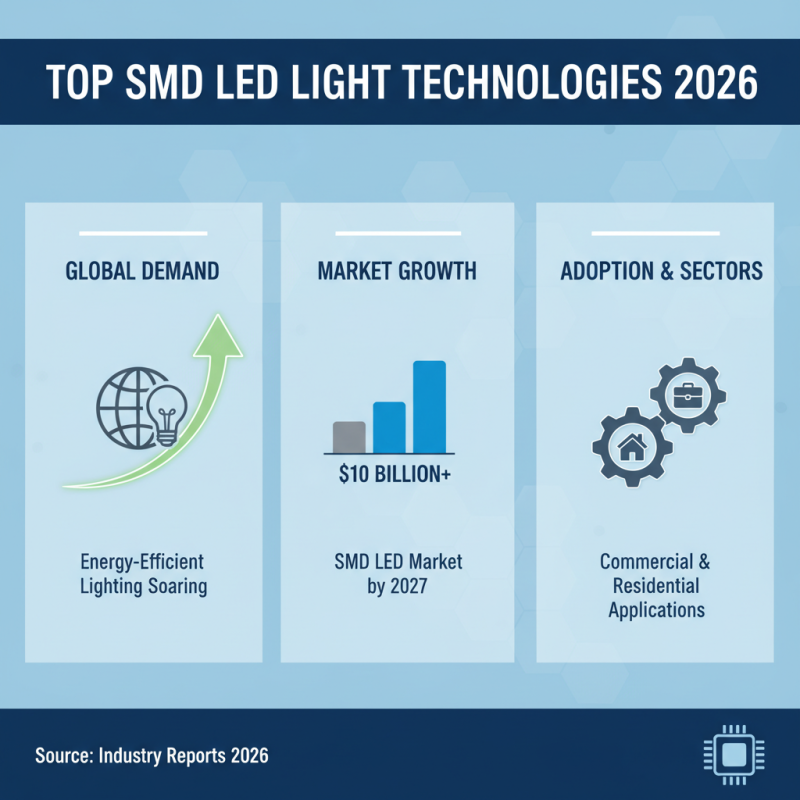
As the global demand for energy-efficient lighting continues to grow, SMD LED technology stands out in 2026. In recent reports, the SMD LED market is projected to reach over $10 billion in revenue by 2027. This reflects a substantial increase in adoption rates across various sectors, from commercial to residential applications.
Innovative technologies are driving this trend. One significant advancement is in miniaturization, resulting in smaller, more versatile LED chips. These SMD LEDs offer improved brightness and color accuracy, making them suitable for intricate applications such as digital displays. Furthermore, the integration of smart technology into SMD LEDs enhances their appeal. It allows remote control and customization of lighting settings, contributing to energy savings. According to industry studies, smart LEDs can reduce energy consumption by up to 60% compared to traditional lighting.
However, challenges remain in this rapidly evolving market. Not all manufacturers adhere to stringent quality standards, leading to variability in performance. Buyers need to conduct thorough research before making decisions. Evaluating certifications and energy efficiency ratings is crucial. While the market offers fantastic options, ensuring the reliability of products is essential for long-term satisfaction.
Market Trends Driving the Demand for SMD LED Lights Globally
The demand for SMD LED lights is rapidly growing across global markets. Several key trends are shaping this surge.
Energy efficiency is a primary driver. SMD LEDs consume less power compared to traditional lighting. This not only reduces electricity bills but also aligns with sustainability goals.
Another important factor is the increasing adoption of smart technology. Smart home systems often incorporate SMD LED lights. They offer flexibility and control through mobile apps or voice commands. This integration enhances user experience and convenience.
However, not all users fully understand these technologies. This gap can limit market growth.
Additionally, aesthetic preferences are evolving. Consumers are looking for stylish and modern lighting solutions. SMD LEDs can be found in various designs, catering to diverse tastes.
Nevertheless, quality varies among different manufacturers. Buyers often face challenges in choosing reliable products.
The market needs more education on product selection and quality standards.
Key Features and Specifications of High-Quality SMD LED Lights
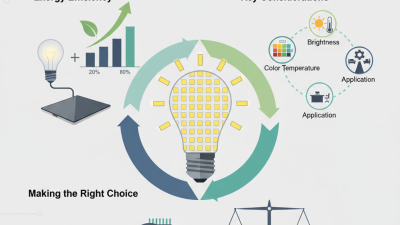
When selecting SMD LED lights, global buyers should focus on essential features and specifications. High-quality SMD LEDs typically offer impressive lumen output per watt. According to the International Energy Agency, efficient LEDs can deliver up to 160 lumens per watt. This efficiency helps reduce energy costs and has a positive impact on sustainability efforts.
Another critical specification is color rendering index (CRI). A high CRI, ideally above 90, ensures that colors appear true to their natural state. This is especially important in applications like retail and art galleries. Additionally, SMD LED lights with adjustable color temperatures, ranging from warm white (2700K) to cool white (6500K), cater to different ambiance needs and personal preferences.
Durability is also vital. Reliable SMD LED lights should have a lifespan of at least 25,000 hours. However, some studies indicate that environmental factors can shorten this lifespan. Ensuring proper heat dissipation can enhance longevity. Therefore, potential buyers should consider these aspects carefully. A focus on these specifications can help users make informed decisions in the bustling LED market of 2026.
Top SMD LED Light Options for Global Buyers in 2026
This bar chart represents the key features and specifications of high-quality SMD LED lights available for global buyers in 2026. The data reflects the lumen output, wattage, and average price of different types of SMD LED lights.
Comparative Analysis of Leading SMD LED Light Brands in 2026
The SMD LED lighting industry is evolving rapidly. Many buyers seek efficiency and longevity in their lighting solutions. A recent market report predicts that the global SMD LED market will reach $15.2 billion by 2026, driven by demand in residential, commercial, and industrial sectors.
Comparative analysis shows significant differences among leading brands. Buyers often overlook the importance of luminous efficacy, which measures light output per watt consumed. This metric is crucial. A brand might boast about energy savings but fail to deliver adequate brightness. Reported luminous efficacies range from 75 to over 130 lumens per watt. Higher efficacy often indicates better technology and design.
**Tips:** Consider the color rendering index (CRI) when selecting SMD LEDs. A higher CRI (above 80) improves color accuracy, enhancing the visual appeal of spaces. Also, examine the warranty terms, as longer warranties typically indicate confidence in product durability. While several brands excel, some lack transparency about their life expectancies. Don’t hesitate to request performance data and reviews before making a decision.
Innovative Applications and Future Directions for SMD LED Lighting
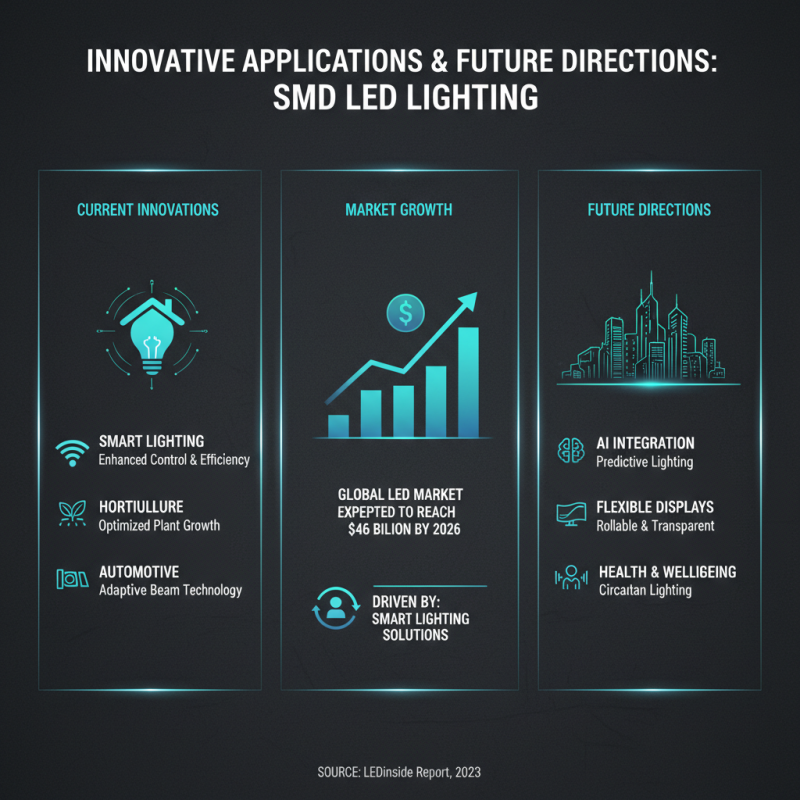
The future of SMD LED lighting is bright, with innovative applications transforming various industries. According to a report by LEDinside, the global LED market is expected to grow substantially, reaching $46 billion by 2026. This growth will largely be driven by smart lighting solutions. Smart technology integration allows for enhanced control and energy efficiency, enabling users to tailor lighting based on specific needs.
SMD LEDs are not just about brightness. They are also versatile. Applications in horticulture, for instance, show promising results. Researchers found that certain wavelengths promote plant growth. As the emphasis on sustainable practices increases, SMD LEDs are becoming crucial in agriculture. This trend suggests a shift towards eco-friendly design in lighting solutions.
However, challenges remain. The market faces issues like inconsistent quality among manufacturers. Buyers often struggle to find reliable products. Furthermore, the initial cost of adopting advanced LED technology may deter some consumers. These issues highlight the need for further standardization within the industry. Addressing these gaps is vital for maximizing the potential of SMD LED lighting in various sectors.