What is Tube Light and How to Choose the Best One?
In recent years, Tube Light has gained immense popularity as an efficient lighting solution. These lights are known for their sleek design and energy-saving features. Choosing the right Tube Light can significantly impact the ambiance of any space. However, many people struggle with this decision.
Understanding the various types of Tube Lights is essential. There are LED, fluorescent, and more. Each type serves different functions and offers distinct benefits. It's crucial to know their differences before making a choice. The wattage, length, and color temperature are key factors to consider.
While Tube Lights are versatile, they may not always fit every setting. Sometimes, specific tasks or moods require alternative lighting solutions. Reflecting on your needs will assist in selecting the best option. In this guide, we will explore the intricacies of Tube Lights and provide insights to help you make a savvy choice.
What is a Tube Light?
Tube lights, often used in homes and commercial spaces, provide a reliable source of illumination. These elongated fixtures are known for their energy efficiency and flood-like lighting. According to a recent industry report by the International Energy Agency (IEA), LED tube lights consume up to 75% less energy than traditional fluorescent tubes. This significant reduction in energy consumption helps lower electricity bills and contributes to environmental sustainability.
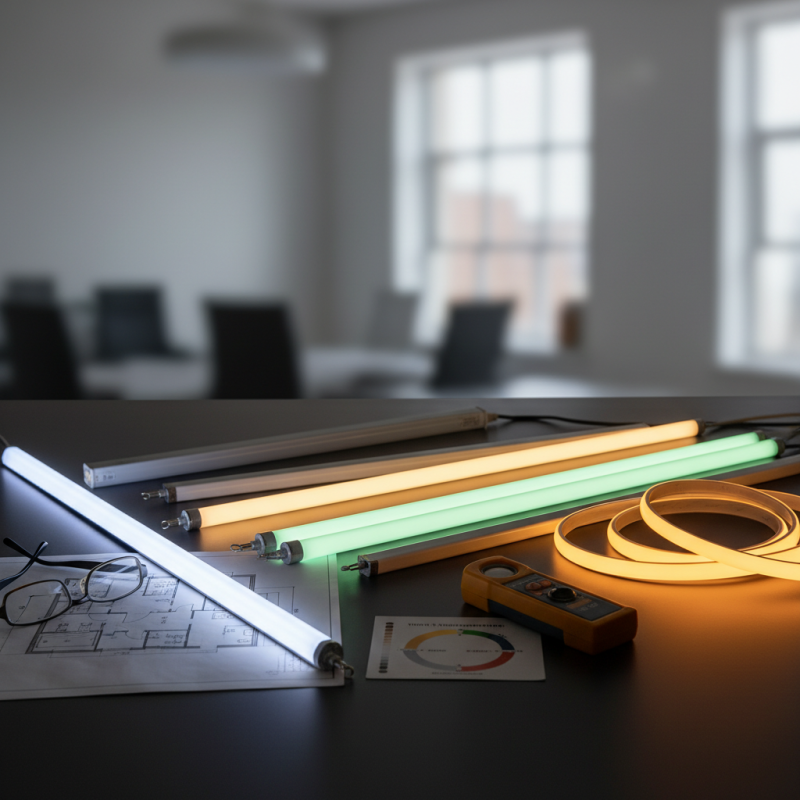
When selecting a tube light, consider its color temperature. Options range from warm white to cool daylight. A study by the Lighting Research Center found that lighting color can affect mood and productivity. Cooler lights enhance alertness, while warmer tones promote relaxation. Additionally, the length and diameter of tube lights vary. Standard sizes can be 2 to 8 feet, with diameters from 1 to 2 inches. This variety means users should assess their specific needs to find the right fit.
It's important to be aware of the lumens produced. Not all tubes have the same light output, which can lead to over or under-illumination. A common mistake is underestimating the wattage needed for a space. Proper lighting choices impact visibility and comfort levels. Sourcing quality tube lights is crucial. Always seek reliable manufacturers to ensure performance and safety.
What is Tube Light and How to Choose the Best One?
| Feature |
Description |
Advantages |
Considerations |
| Length |
Commonly available lengths of 2ft, 4ft, and 8ft. |
Versatile for different room sizes. |
Ensure compatibility with existing fixtures. |
| Wattage |
Ranges from 10W to 40W. |
Higher wattage equals brighter light. |
Consider energy consumption. |
| Color Temperature |
Measured in Kelvin, options from warm (3000K) to cool (6500K). |
Affects mood and ambiance. |
Choose based on room purpose. |
| Lifespan |
Typically lasts up to 20,000 hours. |
Longer lifespan reduces replacement frequency. |
Initial cost may be higher for longer-lasting options. |
| Fixture Type |
Surface mounted or suspended options available. |
Flexibility in installation. |
Space constraints may limit options. |
Types of Tube Lights Available
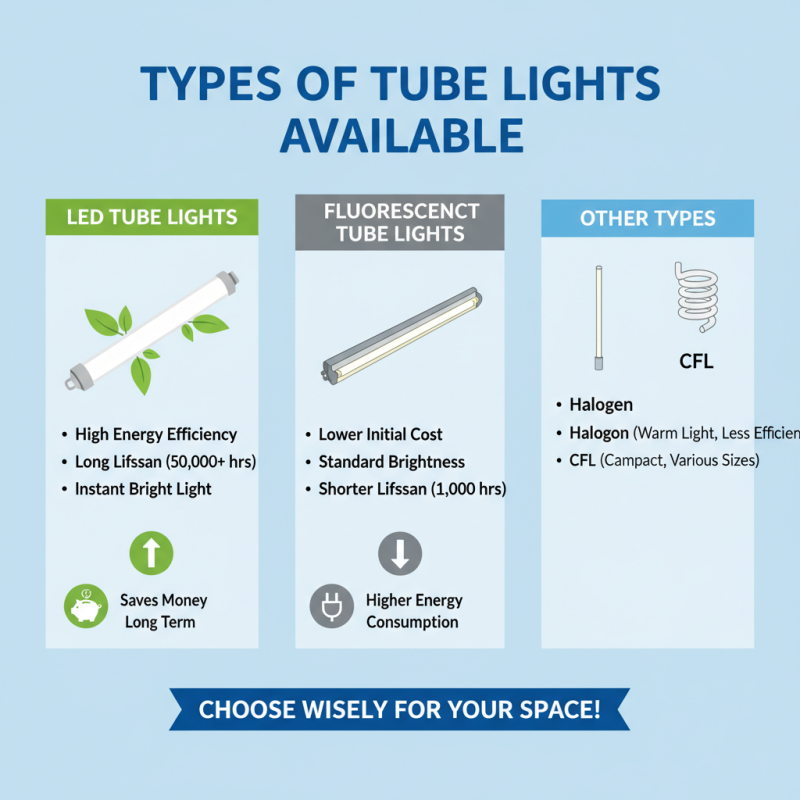
When selecting the right tube light, understanding the different types available is crucial. LED tube lights are a popular choice, offering high energy efficiency and longevity. They produce bright light while consuming less power compared to traditional fluorescent models. This makes them ideal for homes and offices alike. However, some may find the initial cost of LEDs a drawback, but they save money in the long run.
Fluorescent tube lights are another common option. They are less expensive upfront and are widely available. However, their lifespan is shorter than LEDs. These lights also contain small amounts of mercury, which raises environmental concerns. Many users may prefer the warm light produced by fluorescent tubes, but they need to consider the pros and cons carefully.
Another type is the smart tube light. These can be controlled via mobile apps or smart home systems. While they offer convenience, the technology can be confusing for some users. Compatibility with existing fixtures may also be an issue. Ultimately, the choice depends on individual preferences, energy savings, and usability. Reflecting on these options helps make an informed decision.
Key Features to Consider When Choosing Tube Lights
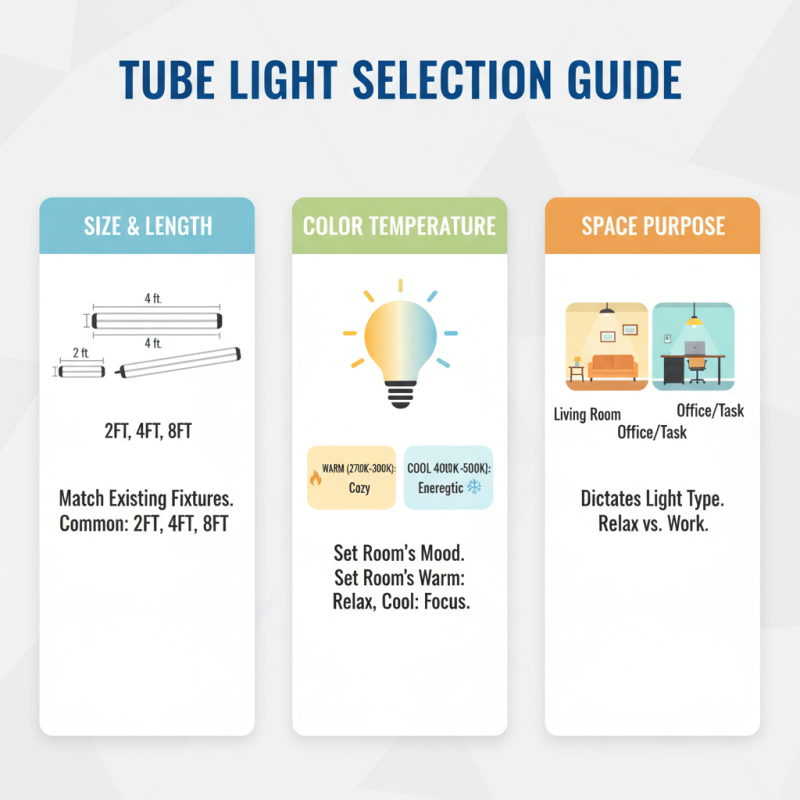
When selecting tube lights, different features matter significantly. The size and length of the tube should align with your existing fixtures. Common lengths include 2 feet, 4 feet, and 8 feet. Make sure the dimensions match your needs. The color temperature is another critical aspect. Warmer tones (2700K-3000K) create a cozy atmosphere. Cooler tones (4000K-5000K) promote a more energetic environment. Your space's purpose should dictate the color choice.
Additionally, energy efficiency plays a vital role in your decision. LED tube lights consume less power while providing bright illumination. Look for the wattage; lower wattage often means lower energy costs. Dimming capability can enhance versatility. If you require adjustable lighting, ensure to choose a product that supports this feature.
The material of the tube matters too. Acrylic tubes are lighter but may not be as durable as glass. Durability influences the lifespan of the light. Lastly, consider installation ease. Some lights offer straightforward mounting options. This aspect can save you time and frustration during setup. Evaluate these details wisely to ensure you choose a tube light that meets your requirements.
Factors Influencing Tube Light Performance
When selecting tube lights, understanding the factors influencing their performance is essential. Brightness, measured in lumens, directly affects how well a space is illuminated. According to the Energy Information Administration (EIA), brighter options often have higher energy consumption, so it's vital to find a balance between light output and energy use.
Color temperature is another key factor. It can create an ambiance that either energizes or relaxes. Warmer tones (2700K-3000K) are suitable for cozy settings, while cooler tones (4000K-5000K) are best for workspaces. The right hue makes a significant difference in mood and productivity.
Tips: Always check the lumen output when choosing tube lights. A higher lumen rating means more brightness. Also, consider your room's purpose before selecting a color temperature. Take time to look for energy-efficiency ratings as well.
Quality also plays a role. Tube lights made from high-quality materials last longer and can provide consistent brightness. However, keep in mind that cheaper models can flicker or produce inconsistent light. Monitoring your choices can lead to better long-term satisfaction.
Best Practices for Installing and Using Tube Lights
Installing tube lights can significantly enhance your space with bright, even lighting. Before installation, consider the location. Mount the lights in areas that require good illumination, such as kitchens or workspaces. Always ensure the power is off before starting. This helps avoid dangerous shocks.
Tips for installation:
- Use a level to ensure your lights are straight.
- Measure the distance between fixtures for uniform brightness.
- Heights matter. Install the lights at a height that maximizes their effectiveness.
When using tube lights, remember to clean them regularly. Dust can accumulate and reduce their brightness. Also, consider the color temperature. Warmer lights create a cozy atmosphere, while cooler tones are ideal for task-focused environments. Adjusting to the right temperature can enhance your mood.
Lastly, don't overlook bulb lifespan. Tube lights can be energy-efficient, but they also have a limited operational time. Monitor their performance and be ready for replacements when necessary. Reflect on your choice and its impact on your space.
Average Wattage of Different Tube Light Sizes