Top 10 Benefits of Using Led Downlight in Your Home?
LED downlights are becoming increasingly popular for home lighting. These fixtures offer a sleek and modern look. Their energy efficiency is a significant advantage. Many homeowners appreciate that they can save on electricity bills while enjoying bright illumination.
Moreover, LED downlights provide versatility in design. They enhance various rooms, from kitchens to living areas. The warm glow can create a cozy atmosphere. However, it’s essential to choose the right size and brightness.
Some people find them challenging to install. It may require professional help or research to achieve the desired effect. When considering LED downlights, reflect on both the aesthetics and functionality. These lights can transform your space dramatically.
Key Energy Efficiency Benefits of LED Downlights for Home Use
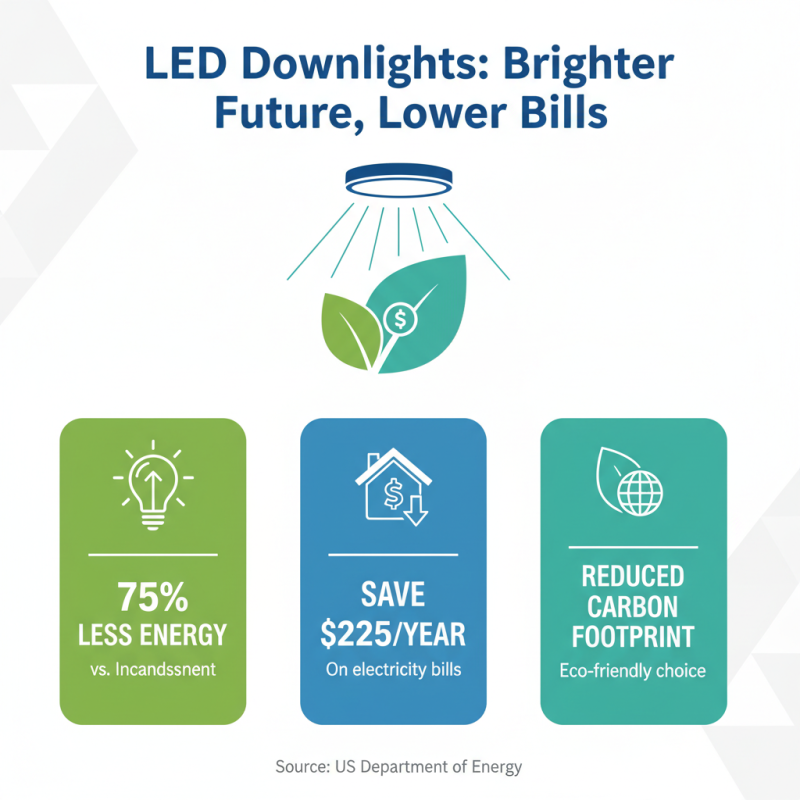
LED downlights are gaining popularity for various reasons. One of the most compelling advantages is their energy efficiency. According to the U.S. Department of Energy, LED lighting uses at least 75% less energy than traditional incandescent bulbs. This significant reduction translates not only to lower electricity bills but also to reduced carbon footprints. In fact, homes that switch to LED downlights can save about $225 per year on energy costs, making it a wise investment.
Moreover, the lifespan of LED downlights is remarkable. LEDs can last up to 25,000 hours, compared to just 1,000 hours for incandescent bulbs. This longevity means fewer replacements and less waste. While there can be initial costs in purchasing LED fixtures, most homeowners will find these expenses offset by energy savings over time. Yet, many overlook the importance of proper installation. Inadequate setups can lead to reduced efficiency, affecting overall performance. Awareness of these factors is key for maximizing benefits.
As we consider the shift to LED lighting, not all homes are well-prepared. Older electrical systems may struggle with new technologies. It's crucial to assess compatibility. Without proper evaluation, the transition can lead to inefficiencies. Regular checks and upgrades may be necessary to fully harness the benefits of LED downlights.
Enhanced Longevity: How LED Downlights Outlast Conventional Lighting
LED downlights are revolutionizing home lighting. Their enhanced longevity is a key reason for their growing popularity. According to the U.S. Department of Energy, LED lights can last up to 25,000 hours. In contrast, traditional incandescent bulbs typically last around 1,000 hours. This means LED downlights can last up to 25 times longer than their conventional counterparts.
The durability of LED downlights translates to fewer replacements. This can save both time and money for homeowners. Less frequent changes mean fewer waste materials, which is a plus for the environment. However, there are factors to consider. LED technology may face issues like cooling. Poorly designed fixtures can lead to overheating, reducing lifespan.
Despite these challenges, LED downlights remain a favored choice. Their extended life reduces maintenance efforts and costs. Research shows that over their lifetimes, LEDs consume 75% less energy than incandescent bulbs. Yet, some may find the upfront cost daunting. It’s essential to balance initial investments with long-term savings. This reflection is vital for any homeowner considering lighting upgrades.
Cost Savings: Reducing Electricity Bills with LED Downlights
Switching to LED downlights can significantly cut your electricity bills. These lights consume less energy while providing the same brightness as traditional bulbs. On average, households see a reduction of 75% in lighting costs. Imagine saving money monthly just by changing your lights. That’s more for savings or fun experiences.
However, the initial cost of LED downlights can be higher. This investment often raises concerns. But over time, their longevity and efficiency make them worthwhile. Their lifespan is up to 25,000 hours, far exceeding incandescent bulbs. That means fewer replacements and less waste. It’s good for your wallet and the environment.
Tips: Consider using dimmers with your LED downlights. Dimming can lead to even more energy savings. Install motion sensors in rooms you don’t often use. This can prevent lights from staying on unnecessarily. Each small change makes a difference. Choose the right color temperature too. Warmer light can make your home feel cozy while cooler tones enhance focus.
Improved Aesthetics: Creating Ambiance with Versatile LED Lighting
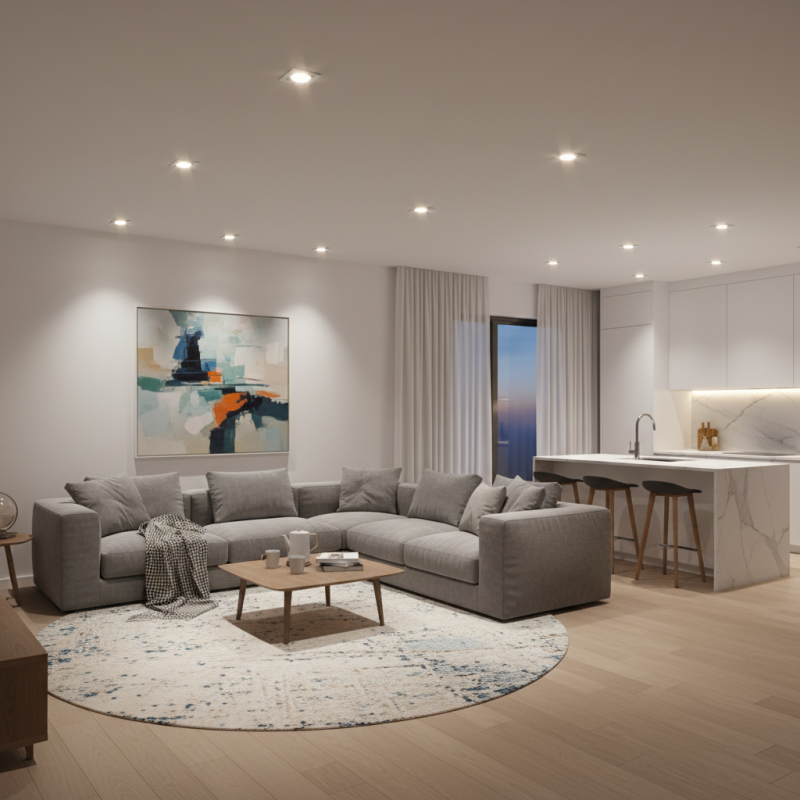
LED downlights are transforming living spaces. Their sleek design blends seamlessly into ceilings. This creates an open, airy feel. According to a report by the American Lighting Association, 85% of homeowners appreciate the aesthetic benefits of LED lighting. These lights are versatile and adaptable. You can adjust brightness and color to match your mood.
Creating ambiance is easy with LED downlights. Warm white light can make a room cozy, while cool light enhances focus. A study by the Department of Energy found that homes with varied lighting schemes enjoy higher satisfaction levels. Lighting affects perception. Dim lighting can create intimacy, but too much brightness can feel harsh.
One common mistake is over-illuminating spaces. This can lead to discomfort and distract from the overall design. Dimming capabilities are essential but not always considered during installation. Homeowners often miss out on maximizing their lighting's potential. Thoughtful placement and layering the lights can elevate a home’s style dramatically. Adjusting the light's color temperature further refines the atmosphere.
Environmental Impact: The Eco-Friendly Choice of LED Downlights
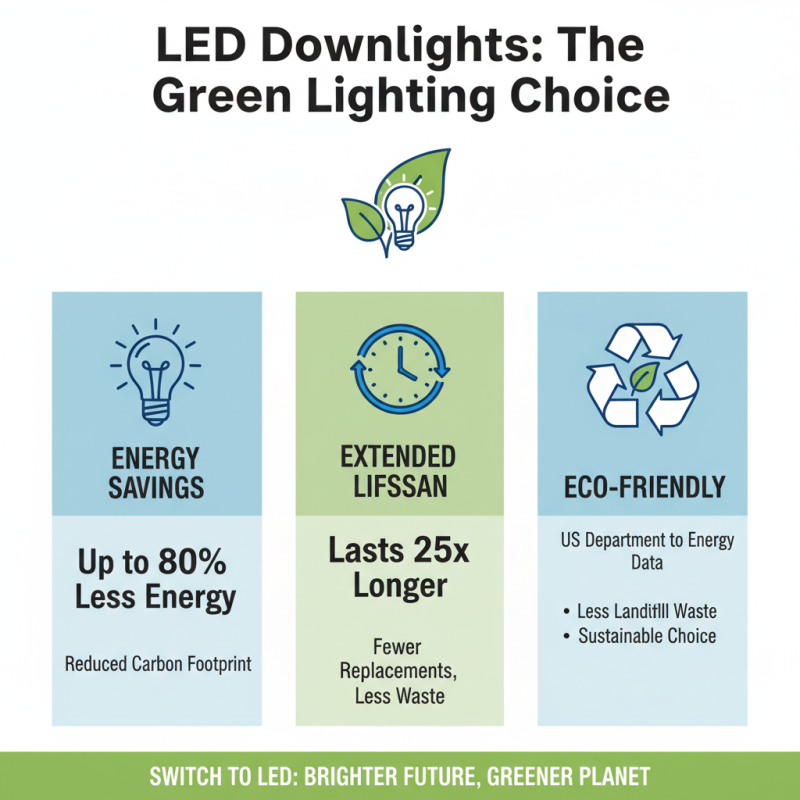
LED downlights stand out as a green alternative in home lighting. These fixtures consume up to 80% less energy compared to traditional bulbs. According to the U.S. Department of Energy, LED lights last about 25 times longer. This longevity means fewer replacements and less waste. It's clear how LED technology contributes to a reduced carbon footprint.
One interesting point to consider is how LED downlights produce minimal heat. Traditional bulbs waste energy as heat, which can impact cooling costs during summer. With LEDs, homes stay cooler, possibly lowering air conditioning expenses. Moreover, many LEDs are free from harmful mercury, making disposal safer.
Tip: When replacing old lighting, choose LED fixtures with a good Color Rendering Index (CRI). A CRI above 90 is ideal for enhancing colors in your home.
Think about the potential downsides. Some users may find the initial cost of LEDs higher. Yet, the long-term savings on energy bills and fewer replacements often balance this. It’s worth reflecting on the upfront versus ongoing costs.
Tip: Consider opt for dimmable LED downlights to adjust lighting based on activities, saving even more energy. Making informed choices transforms your home into a more sustainable space.