Top 10 Benefits of Using Led Strips for Your Home Decor?
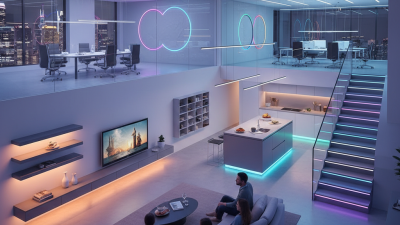
In recent years, led strips have transformed home decor, adding versatility and style. Renowned lighting designer Sarah Thompson states, “Led strips bring a unique flair to any space.” This insight highlights the growing popularity of led strips among homeowners and designers alike.
Led strips are not just functional; they are trendy. They create ambiance, accentuating architectural features and personalizing living spaces. With various colors and brightness options, led strips cater to individual preferences. Homeowners appreciate the practicality and ease of installation. However, some may overlook the potential for overuse, leading to overwhelming visual clutter.
Careful placement is essential. Thoughtful design choices maximize the benefits of led strips. They enhance mood with just the right amount of light. Choosing the correct color temperature is crucial in achieving the desired atmosphere. Overall, led strips offer innovative solutions for modern home decor, but an intentional approach ensures they enhance rather than overpower a room’s aesthetic.
Benefits of Energy Efficiency with LED Strips in Home Decor
Using LED strips in home decor offers significant benefits, particularly in energy efficiency. According to the U.S. Department of Energy, LED lights use up to 75% less energy than traditional incandescent bulbs. This dramatic reduction in energy consumption can lead to noticeable savings on monthly utility bills. For instance, a household that switches to LED strips could potentially save around $200 per year. Imagine transforming your living space while also benefiting your wallet.
The longevity of LED strips adds to their appeal. LEDs can last up to 25,000 hours compared to just 1,000 hours for incandescents. This means fewer replacements and less waste over time. However, not all LED products are created equal. Some lower-quality options may not live up to their advertised lifespan. Homeowners should research and consider certifications like ENERGY STAR to ensure reliability. Looking for quality means that while avoiding the cheapest option, you might spend a bit more upfront but save in the long run.
Additionally, using LED strips can improve the quality of light in your home. LEDs provide a range of color temperatures, allowing for customizable ambiance. Yet, some users may find that the brightness can be overwhelming if not properly dimmed. It's essential to balance brightness and atmosphere. Experimenting with different setups can help achieve the desired effect, reflecting personal style while remaining energy-efficient.
Enhancing Ambiance through Color Customization with LED Strips
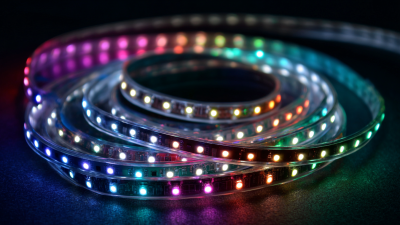
LED strips are revolutionizing home decor by providing vibrant color customization. Changing the mood of a room is easy with just a flick of a switch. You can choose from a variety of colors to match your decor or set the desired atmosphere for any occasion.
Combining LED strips with smart home technology allows for even more personalization. Schedule color changes to align with your daily routines. Imagine unwinding after a long day with soothing blues or energizing yellows during brunch. Experimenting with different colors can lead to unexpected results. Some combinations might not work as you expected, leading you to rethink your choices.
Creating layers of light adds depth to your space. Highlight artwork or architectural details in new ways. Yet, finding the perfect balance takes time and patience. Some rooms may feel overwhelming if too many colors clash. Learning to embrace these imperfections can be part of the journey to achieving the perfect ambiance. Each trial runs the risk of a color mishap, but that trial and error will refine your taste in decor.
Flexibility in Design: Creative Uses of LED Strips in Any Space
LED strips offer remarkable flexibility in design, allowing homeowners to
transform any space creatively. They can be used to highlight architectural features or
add ambiance to rooms. These strips are malleable, enabling installation in tight corners or unusual angles.
You can place them under cabinets or along staircases for a modern touch.
The variety of colors and brightness levels makes customization easy. Imagine soft blues in a bedroom for relaxation or
vibrant reds for an energetic living room. However, choosing the right color can be challenging.
Overusing one shade might overwhelm the space, leading to a need for adjustment.
Finding a balance is crucial for achieving the desired look.
Installation is generally straightforward, but improper placement can lead to disappointment.
They can sometimes look cheap if not used wisely. Planning their placement is essential to maximizing their effect.
Lighting can set the mood or highlight decor, yet poorly placed strips may detract from the overall aesthetic.
Consider trial and error to achieve the best results in your home decor.
Cost-Effectiveness of LED Strips Compared to Traditional Lighting
LED strips are becoming a popular choice for home decor due to their cost-effectiveness. They use far less energy compared to traditional lighting. This reduced energy consumption leads to lower electricity bills. Over time, this can result in significant savings. Homeowners see the difference in their monthly expenses. With energy prices rising, this benefit is crucial.
Installation costs for LED strips are also lower. Many LED options come with adhesive backs, simplifying the mounting process. You do not need complex fixtures or tools. This ease of use is appealing to DIY enthusiasts. Additionally, LED strips last longer than conventional bulbs. A typical LED strip can last up to 50,000 hours. This durability means you'll spend less on replacements.
While the initial investment may be higher, the long-term benefits stand out. Deciding between LED strips and traditional lighting can be challenging. You must consider both upfront and ongoing costs. For many, combining aesthetics with savings makes LED strips the ideal choice. Reflecting on these aspects can help in making informed decisions.
Easy Installation and Maintenance Benefits of LED Strip Lights
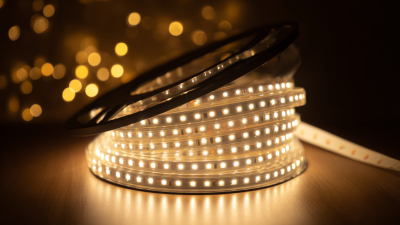
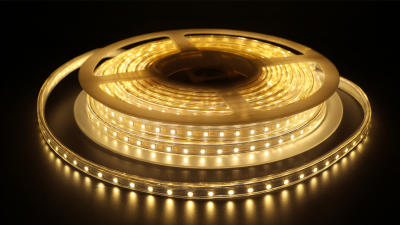
Installing LED strip lights in your home is straightforward. Most strips come with a peel-and-stick backing. Simply clean the surface where you want to apply them. This makes it accessible for anyone, even those with minimal DIY experience. No special tools are needed, which means you can set the mood with ease.
Maintenance is hassle-free as well. LED lights last much longer than traditional bulbs, often exceeding 50,000 hours. They consume less energy too, leading to lower electricity bills. If a strip does malfunction, replacing it is simple. You can cut the strips to size or connect new ones in minutes. However, sometimes proper alignment can be tricky, and some users may require adjustments.
The flexibility of LED strips is impressive. You can bend them around corners or trim them to fit. This versatility allows for creative designs. Still, planning your layout is vital. You might want to experiment with different placements before settling on one. Overall, LED strip lights combine ease of use and low maintenance, making them a great choice for enhancing your home decor.