2026 How to Choose the Best SMD LED Light for Your Needs?
Choosing the right SMD LED light can be daunting. With so many options available, making an informed decision is crucial. Industry expert, Dr. Jane Thompson, states, "Selecting the right SMD LED light can greatly influence both functionality and ambiance." This highlights how important it is to understand what you need.
The market offers various SMD LED light types, each with unique features. It can be challenging to decipher specifications and find what fits your requirements. Lighting plays a vital role in our daily lives, impacting mood and productivity. Therefore, selecting the best option requires careful evaluation of brightness, color temperature, and energy efficiency. Consumers often feel overwhelmed, leading to mistakes in their choices.
The need for reliable information is evident. Many buyers overlook essential factors, settling for suboptimal products. It's vital to reflect on personal needs and preferences before making a selection. A thoughtful approach not only enhances your space but also saves costs in the long run. Investing time in research can yield significant rewards in your lighting experience.
Understanding SMD LED Light Basics: Types and Technologies
SMD (Surface Mounted Device) LED lights are becoming increasingly popular. Understanding their types and technologies can help you make informed decisions. SMD LEDs are compact, highly efficient, and versatile. They are widely used in various applications, from home lighting to automotive headlights.
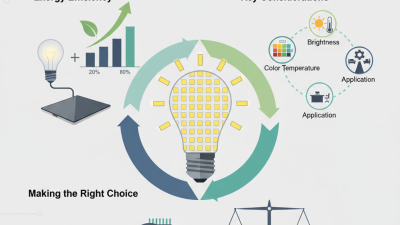
There are different types of SMD LEDs. For example, the 3528 and 5050 types each have their specific benefits. The 3528 is smaller and generally consumes less power, while the 5050 offers higher brightness and color options. According to a report by the Energy Department, SMD LEDs are up to 80% more energy-efficient than traditional bulbs. This efficiency leads to lower electricity costs and longer-lasting lights.
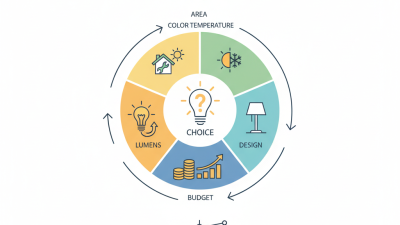
When choosing SMD LEDs, consider the application. Indoor lighting, outdoor security, and decorative lighting all require different specifications. Confirm the color temperature you need, which can affect ambiance. Check for a high color rendering index (CRI) for true colors.
Tip: Always review the lumen output. It directly relates to brightness. A product may seem cheaper, but low lumens could mean underperformance. Researching and comparing specifications can prevent costly mistakes.
Remember, not all SMD LEDs are created equal. Some manufacturers may overstate brightness or efficiency. Reading reviews and checking compliance with industry standards is crucial. Scrutinize the warranty details; they often reflect product reliability.
Key Factors to Consider When Selecting SMD LED Lights
When selecting SMD LED lights, several key factors must be considered. Light output, measured in lumens, is crucial. A higher lumen count indicates brighter light. For instance, a standard 10W SMD LED can produce around 900 lumens, making it suitable for various applications. Choosing the right brightness helps ensure optimal illumination without wasting energy.
Color temperature, expressed in Kelvin, also plays a significant role. A cooler temperature of 6000K provides daylight-like brightness, ideal for task lighting. Meanwhile, a warmer 3000K offers a cozy atmosphere for living spaces. Research shows that 81% of consumers prefer warmer tones for residential settings. This preference highlights the importance of matching light color to the intended environment.
Lastly, energy efficiency is paramount. Look for LEDs with a high lumen-per-watt ratio. Studies indicate that SMD LEDs can be up to 90% more efficient than traditional incandescent bulbs. However, not all SMD lights meet this standard. It’s essential to verify specifications to ensure reliable performance. Balancing these factors can lead to a better decision, ultimately enhancing your lighting experience.
2026 How to Choose the Best SMD LED Light for Your Needs? - Key Factors to Consider When Selecting SMD LED Lights
| Key Factor |
Description |
Importance Rating (1-10) |
Example Use Case |
| Wattage |
Determines the brightness of the LED light |
9 |
General lighting in living rooms |
| Color Temperature |
Measured in Kelvins (K), affects ambiance |
8 |
Workspaces needing bright white light |
| Lifespan |
How long the LED lasts before needing replacement |
10 |
Outdoor lighting in harsh environments |
| Dimmability |
Ability to adjust brightness levels |
7 |
Mood lighting in bedrooms |
| Beam Angle |
Determines how light is spread in an area |
6 |
Highlighting artwork or features |
| CRI (Color Rendering Index) |
Indicates the light's ability to show colors accurately |
8 |
Retail displays and showrooms |
Evaluating Brightness: Lumens vs. Watts in SMD LEDs
When choosing SMD LED lights, understanding brightness is crucial. It's often represented by lumens rather than watts. Lumens measure the light output. Watts indicate energy consumption. This distinction can be misleading. Many assume higher watts mean brighter lights, but that’s not always true.
For instance, a 10-watt SMD LED might produce the same lumens as a 60-watt incandescent bulb. This efficiency can save energy and reduce bills. However, clarity on specific needs is vital. Brightness levels vary widely depending on applications. For reading tasks, you might need higher lumens, whereas mood lighting requires less.
Choosing the right amount of brightness requires personal reflection. What is the light for? Will it be used in a workspace or a living room? These questions deserve thoughtful answers. Sometimes a mid-range option may suffice. In many situations, striking a balance is key. Too much brightness can be harsh, while too little may strain the eyes. Understanding your environment and goals leads to better choices.
Assessing Color Temperature: Choosing the Right Light for Your Space
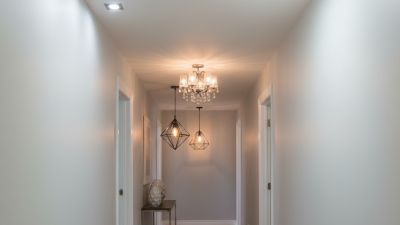
Choosing the right color temperature for SMD LED lights impacts the mood and functionality of a space. Color temperature is measured in Kelvins (K). Warm white (2700K-3000K) creates a cozy atmosphere, ideal for living rooms and bedrooms. Cool white (4000K-5000K) suits kitchens and workspaces, where focus is essential. The better understanding of these nuances can significantly enhance daily experiences.
A 2021 industry report noted that 72% of consumers prioritize lighting when improving their homes. Interestingly, many people often overlook color temperature in their decisions. A poor choice can lead to discomfort. For instance, too much blue light in a bedroom can disrupt sleep patterns, according to researchers. It’s crucial to reflect on how different temperatures affect your daily activities and well-being. Balancing personal comfort with the specific needs of your space can lead to better outcomes.
Innovations in LED technology offer broad options. However, not all products provide accurate color representation. Some budget options may skew color temperature values, leaving spaces underwhelming. It’s essential to prioritize trusted certifications when selecting LED lights. Reviewing product literature and consulting expert recommendations can help ensure reliability and satisfaction in the long run.
Assessing Color Temperature for SMD LED Lights
Energy Efficiency and Longevity: Analyzing Lifespan and Cost Savings
When selecting SMD LED lights, energy efficiency and longevity stand out as critical factors. Studies reveal that LED lights can last up to 25,000 hours, significantly longer than traditional bulbs, which typically last around 1,000 hours. This longevity translates into substantial cost savings over time. A report from the U.S. Department of Energy shows that LED lights can save consumers up to 75% on electricity bills compared to incandescent bulbs.
Tips: Consider the lumens per watt to gauge brightness and efficiency. Higher lumens indicate greater light output with minimal power consumption.
Moreover, the initial investment in SMD LEDs may seem daunting. However, calculating the total cost of ownership reveals the true financial benefits. The reduced maintenance frequency—thanks to their extended lifespan—also contributes to overall savings. While some users may hesitate due to the price upfront, the long-term benefits often outweigh these concerns.
Tips: Look for LEDs with an Energy Star rating. This certification indicates quality and efficiency. Pay attention to the color temperature as well, as it can affect mood and perception in spaces.