How to Choose the Right Flush Mount Lighting for Your Home?
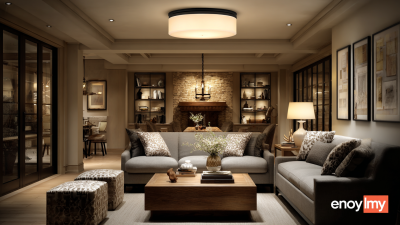
Choosing the right Flush Mount Lighting for your home can be a significant decision. According to leading lighting specialist Sarah Johnson, "The right flush mount can transform a space." Understanding the elements of design and functionality is crucial.
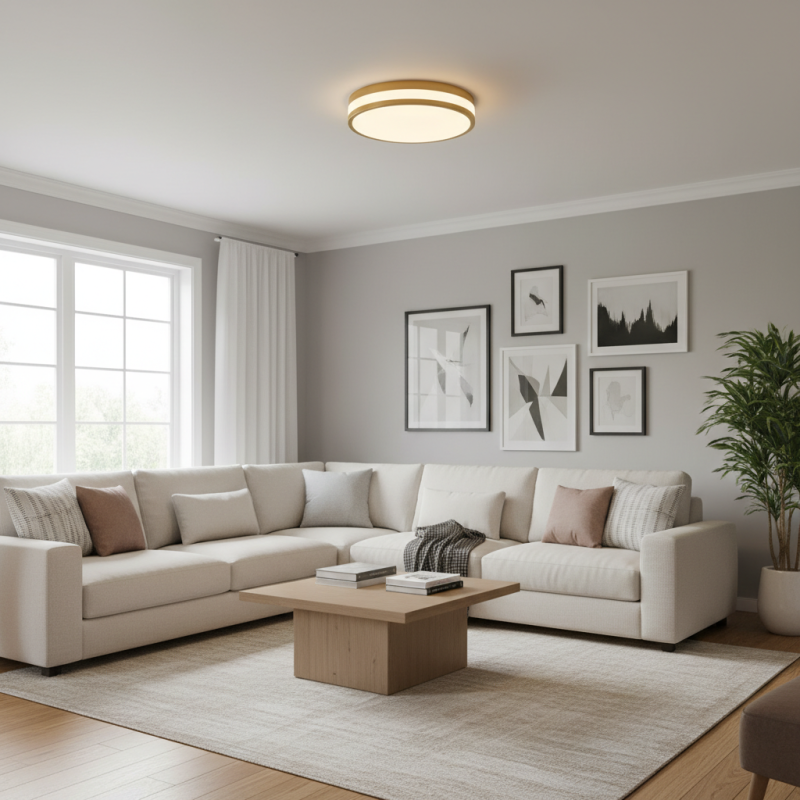
Flush Mount Lighting comes in various styles and finishes. It can serve as a stunning focal point or blend seamlessly into your décor. Consider your room’s size and purpose when choosing. For instance, a small hallway might benefit from a sleek, minimal design, while a larger living area could accommodate more decorative options.
However, many overlook the importance of installation height and brightness. An improperly installed fixture may result in inadequate lighting or an awkward appearance. It’s essential to think about how your space is used daily. Reflect on your needs and preferences. This way, you ensure that your lighting enhances both aesthetics and practicality.
Understanding Flush Mount Lighting: Types and Styles
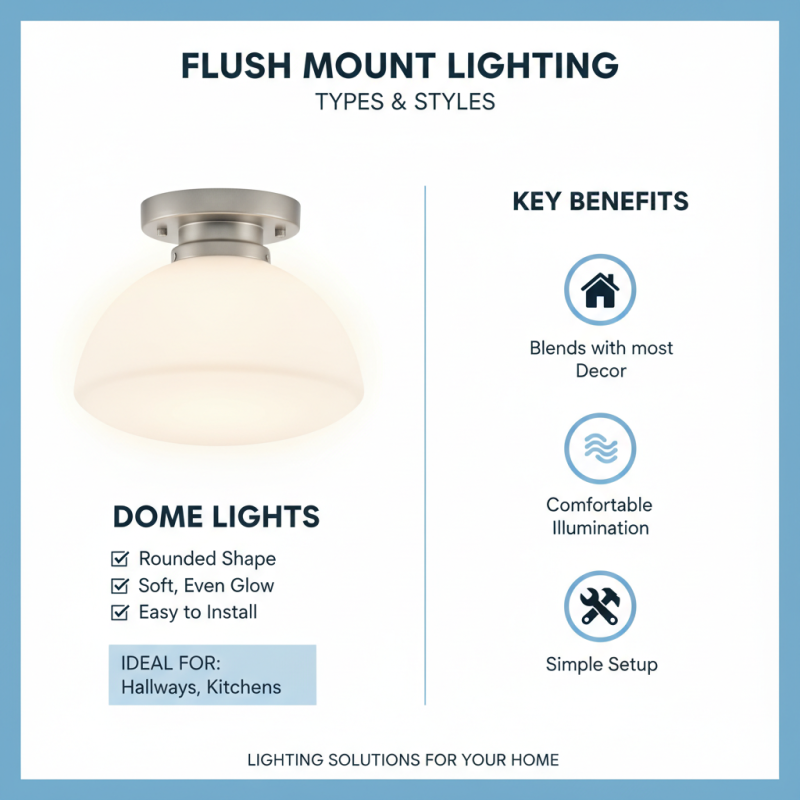
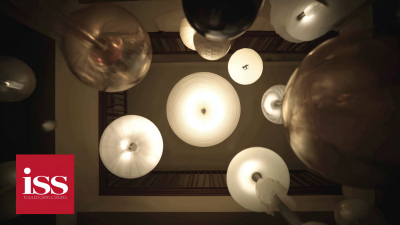
Flush mount lighting comes in various types and styles, making it essential to understand what fits your home. One popular type is the dome light, characterized by its rounded shape. Dome lights offer a soft, even glow, ideal for hallways and kitchens. They seamlessly blend with most decor styles and are relatively easy to install.
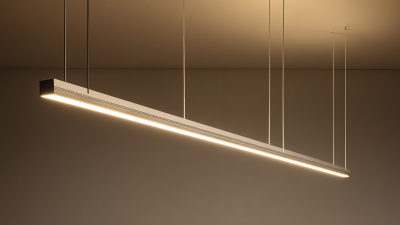
Another trendy option is the flush mount fixture with artistic designs. These add a pop of personality to a room. It’s crucial, however, to consider your ceiling height when choosing. If the ceiling is low, an overly ornate fixture may feel oppressive. A sleek, minimalist design can enhance visibility and openness in smaller spaces.
When selecting flush mount lighting, think about functionality and aesthetics. Consider the color temperature of the bulbs. Warmer tones create a cozy atmosphere, while cooler tones energize a space. Balancing both style and purpose often leads to the best outcome. Reflect on how each fixture aligns with your home’s overall vibe. The right choice can elevate a room, while the wrong one may detract from it.
Assessing Your Space: Size and Height Considerations
When choosing flush mount lighting, size and height are key factors. Measure the area where you plan to install the light fixture. A large room may require multiple fixtures, while a small space might only need one. Consider the overall scale of your furniture and decor. A light that is too small will look out of place. Conversely, an overly large fixture can overwhelm a compact room.
Height is another crucial element. Flush mount lights should be positioned to avoid obstruction. In spaces with high ceilings, consider a fixture that makes a statement without feeling crowded. Lower installations may work in cozy areas, but be cautious of headroom. Aim for at least seven feet of clearance. If the light feels cramped or too high, it may create an imbalance.
You might find that your first choice may not fit perfectly. Trial and error can be part of the process. Adjusting placement or even trying different styles can lead to the right atmosphere. Each space is unique, and what works in one room may not work in another. Reflect on your needs and be open to experimenting. Your ideal lighting solution is closer than you think.
How to Choose the Right Flush Mount Lighting for Your Home? - Assessing Your Space: Size and Height Considerations
| Dimension |
Description |
Suggested Size |
Ceiling Height |
| Living Room |
Main gathering area, requires adequate lighting |
12" - 24" |
8' - 10' |
| Kitchen |
Task-oriented space, needs bright illumination |
12" - 20" |
8' - 10' |
| Bedroom |
Cozy and relaxing atmosphere, softer light preferred |
10" - 18" |
8' - 9' |
| Dining Area |
Enhances dining experience, should not overpower |
10" - 22" |
8' - 10' |
| Hallway |
Provides sublt lighting to navigate space |
10" - 16" |
7.5' - 9' |
Choosing the Right Bulb: Brightness and Energy Efficiency
Choosing the right bulb for your flush mount lighting is crucial for both ambiance and energy efficiency. Brightness is typically measured in lumens; the higher the lumens, the brighter the light. If you need a well-lit room, aim for fixtures that accommodate higher lumen bulbs. For softer lighting, lower lumen bulbs create a cozy atmosphere. Remember, different rooms require different brightness levels. A living room might need softer light. Meanwhile, kitchens often necessitate brighter bulbs for functionality.
Energy efficiency plays a vital role in bulb selection. LED bulbs are a popular choice due to their long lifespan and low energy consumption. They can reduce your electricity bill significantly. Compact fluorescent lamps (CFLs) also offer decent efficiency but have a shorter lifespan than LEDs. Choosing energy-efficient bulbs can help lessen your environmental impact. However, you might find LED bulbs more expensive upfront. Reflect on how often you use these lights. Over time, the savings could outweigh the initial cost.
Color temperature is another factor to consider. Warmer lights (around 2700K) create an inviting space, while cooler lights (above 4000K) can feel more sterile. It’s essential to test different bulbs in your fixtures. What looks great in the store might appear harsh at home. Experiment with various options before settling on one.
Brightness vs. Energy Efficiency of Different Bulb Types
Design and Aesthetic: Matching Lighting to Your Home Decor
Choosing the right flush mount lighting requires a keen eye for design. When selecting fixtures, ensure they harmonize with your home decor. Consider existing color palettes and textures. For instance, a sleek metallic finish pairs well with modern decor, while vintage styles enhance rustic themes.
Tips: Look at your space. A bright, airy room may benefit from light fixtures with glass elements that diffuse light softly. In contrast, a cozy space can use warmer tones to create an inviting atmosphere. Size also matters. A large fixture can dominate a small room, creating imbalance.
Lighting can be a focal point or integrate subtly. Reflect on how each piece complements furniture and wall colors. Sometimes, less is more, especially in smaller rooms. Flush mounts may not be the only option; consider layering your lighting with wall sconces or floor lamps for added depth. Don’t rush the decision. Take time to envision how the new fixture fits into your overall scheme.
Installation and Maintenance Tips for Flush Mount Fixtures
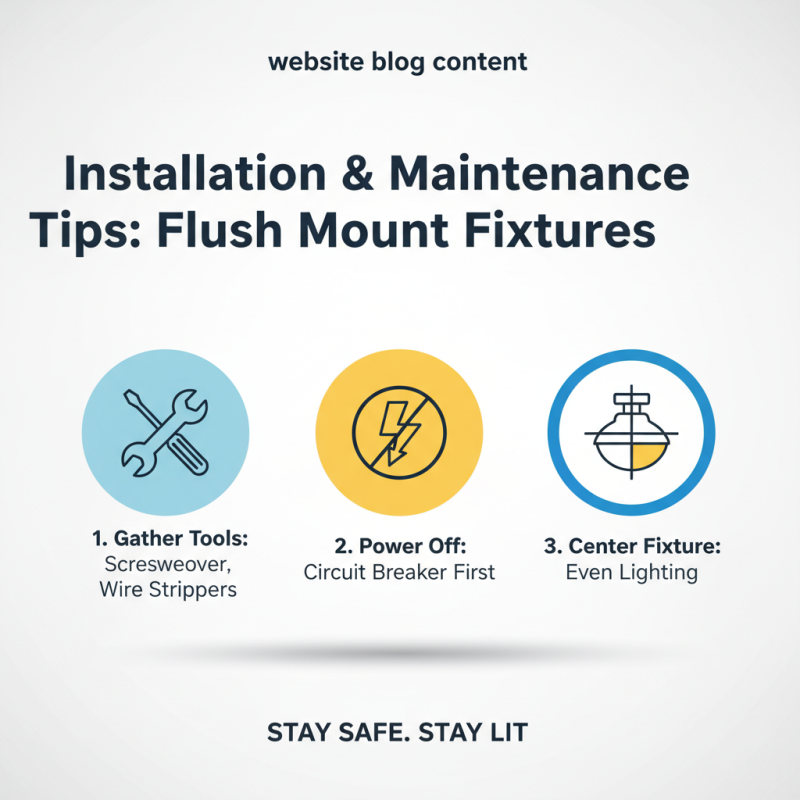
When it comes to installing flush mount fixtures, preparation is key. Start by ensuring you have the right tools, such as a screwdriver and wire strippers. It's essential to turn off the power supply at the circuit breaker before beginning any installation. Many homeowners overlook this vital step, exposing themselves to potential hazards. Positioning the fixture correctly is critical; make sure it’s centered to avoid uneven lighting.
Maintenance of flush mount fixtures is often neglected. Regularly check for dust accumulation, as this can dull the brightness. A simple cleaning routine can extend the lifespan of your fixtures. Depending on the material, use a damp cloth or a gentle cleaner. Additionally, inspect the fixtures for any signs of wear, such as frayed wires or flickering lights. Identifying these issues early can prevent larger problems down the road.
Don't hesitate to seek professional help if you're unsure about the installation or maintenance process. Even skilled DIY enthusiasts can encounter challenges when dealing with electrical components. Being cautious and reflective about your choices can lead to better outcomes in your home lighting project.