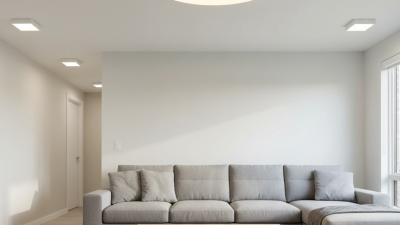
10 Essential Tips for Choosing the Right Cob Led Light for Your Home
Choosing the right Cob Led Light for your home can feel overwhelming. With so many options available, it's crucial to make an informed decision. Lighting expert, Dr. Emily Hart, emphasizes, "The right Cob Led Light can transform your space dramatically." This underscores the importance of thoughtful selection.
Cob Led Lights not only save energy but also enhance the ambiance of your home. Their compact design allows for creative placements. However, users often overlook factors such as wattage, color temperature, and beam angle. These details significantly impact the effectiveness of your lighting choice. It's essential to consider how these variables align with your home’s needs.
Neglecting to evaluate the quality and brand reputation can lead to dissatisfaction. Some might mistakenly choose style over function. This could result in inadequate lighting or higher energy bills. Listening to expert opinions like Dr. Hart’s can guide you toward better choices. Ultimately, understanding these elements will help create a more inviting and efficient home environment with Cob Led Lights.
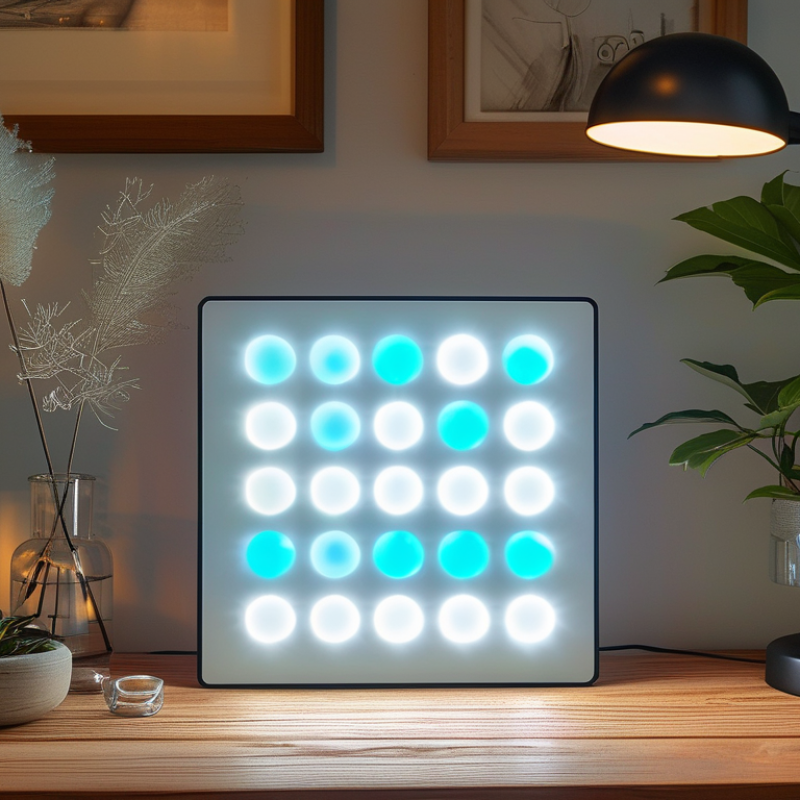
Understanding the Basics of Cob Led Lights for Home Use
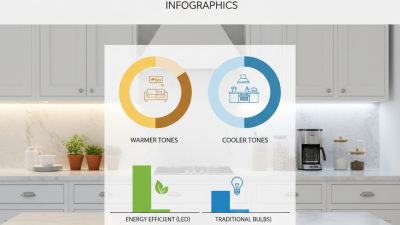
When selecting COB LED lights for domestic use, understanding their fundamental features is crucial. COB stands for Chip On Board, which means multiple LED chips are mounted on a single board. This design allows for higher brightness with better heat dissipation. According to a report from the Department of Energy, LED lighting can be up to 90% more efficient than traditional incandescent bulbs. This efficiency translates into lower energy costs in your home.
Light color is another essential aspect. COB LED lights come in various color temperatures, ranging from warm yellow to cool blue. A study by the Lighting Research Center indicates that warmer tones create a cozy atmosphere, making them suitable for living spaces. In contrast, cooler tones are better for task-oriented areas like kitchens and offices. However, choosing the right color temperature can sometimes be tricky. Many homeowners may prefer one shade but discover they require a different one after installation. Understanding your home's lighting needs can help mitigate such challenges.
Installation is also a key consideration. Proper placement and direction of COB LED lights can enhance their effectiveness. Reports suggest that incorrect installations could lead to uneven lighting and wasted energy. It's essential to think about how light spreads from the fixture. Over time, users may notice hotspots or areas that remain dim. Considering positioning can improve overall satisfaction with your lighting setup.
Evaluating Brightness and Color Temperature for Optimal Lighting
When selecting cob led lights for your home, understanding brightness and color temperature is crucial. Brightness is often measured in lumens. A standard 60-watt incandescent bulb emits about 800 lumens. For LED lights, you typically need around 10 to 15 watts to achieve a similar output. This means you can get the same brightness while using significantly less energy.
Color temperature is measured in Kelvin (K). For cozy, warm lighting, choose a temperature between 2700K and 3000K. This range creates a friendly atmosphere in living spaces. Cooler light, above 4000K, is suitable for work areas. It promotes focus and concentration. Studies, including those by the U.S. Department of Energy, show that appropriate lighting can enhance mood and productivity.
Tip: Always test how a bulb looks in your space. Actual appearance can differ from packaging.
Another consideration is color rendering index (CRI). A high CRI, above 90, accurately represents colors. This is vital for spaces like kitchens and bathrooms, where true color perception is important.
Tip: Analyze how lighting affects your furniture and decor. Different bulbs can change how colors are perceived.
Choosing the right cob led light enhances both functionality and ambiance in your home. Take time to evaluate these aspects before making a decision.
Brightness and Color Temperature Preferences for Home Lighting
Considering Energy Efficiency and Lifespan of Cob Led Lights
When selecting cob LED lights for your home, energy efficiency is a crucial factor. According to the U.S. Department of Energy, LED lighting can convert approximately 80-90% of energy into light. This is significantly more efficient than traditional incandescent bulbs, which only convert about 10% of energy. Choosing LED lights can drastically reduce electricity bills over time.
The lifespan of cob LED lights is another essential consideration. Research indicates that these lights can last anywhere from 15,000 to 50,000 hours, compared to around 1,000 hours for incandescent bulbs. This longevity translates into fewer replacements and less waste. However, not all cob LED products are created equal. Variability in manufacturing can lead to discrepancies in performance. It's wise to look for lights with a reputable certification or quality assurance label.
Investing in energy-efficient cob LED lights not only benefits your wallet but also the environment. A 2021 study showed that widespread adoption of LED technology could save up to 348 terawatt-hours of electricity annually. This is equivalent to the output of over 44 large power plants. While choosing the right lights, consider your usage patterns and room requirements. This approach could lead to better lighting experiences and more sustainable living spaces.
Choosing the Right Size and Shape for Your Living Space
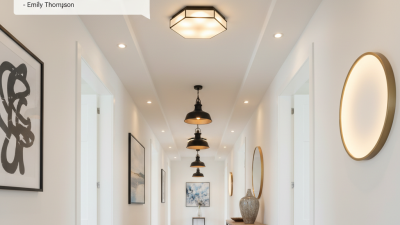
When choosing COB LED lights for your home, size and shape significantly impact their effectiveness. A large fixture may overwhelm a small space, while a tiny light can get lost in a large room. Think about where you want to install these lights. Rooms like living areas benefit from wider, more diffused lights, while kitchens may need directional lighting for tasks.
Consider your room's layout and function too. For instance, if you have low ceilings, slim and flush-mounted fixtures work best. High ceilings, on the other hand, can accommodate pendant lighting. This type of light not only illuminates but also acts as decor. Measure your space before making a purchase, as even a slight miscalculation can lead to regret.
Sometimes, it's tempting to prioritize aesthetics. However, balance is crucial. A vibrant fixture might not produce enough light for reading or tasks. Efficiency matters. Additionally, changes in layout or decor mean you may need to reassess your choices. Adaptability in style and adjustability in brightness ensure you won't need to revisit your decisions too soon. Finding the right fit involves continually evaluating your home's needs as they evolve.
Comparing Costs and Brands for Quality Cob Led Light Options
When considering cob led lights, understanding costs and brands is crucial. Brands vary significantly in quality and pricing. It's essential to explore various options that fit your budget while ensuring durability. Some cheaper lights may have lower light quality or shorter lifespans. This could lead to higher costs over time due to replacements.
Researching brands is vital. Some companies specialize in energy efficiency and performance. Others focus solely on design. Reviews and ratings often provide insight into reliability and customer satisfaction. Visiting local stores can also help you gauge the feel and brightness of different products before making a decision.
Don’t ignore the lifetime value of your purchase. A slightly more expensive light may last longer, saving you money on electricity bills and replacements. Always ask for warranties or guarantees. They can reflect a brand's confidence in their product. Take your time to weigh your options carefully.