How to Choose the Best Smart Lighting for Home?
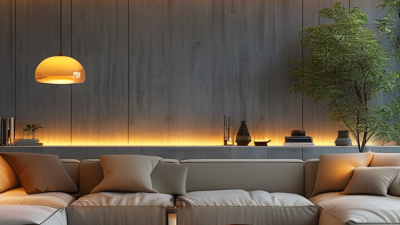
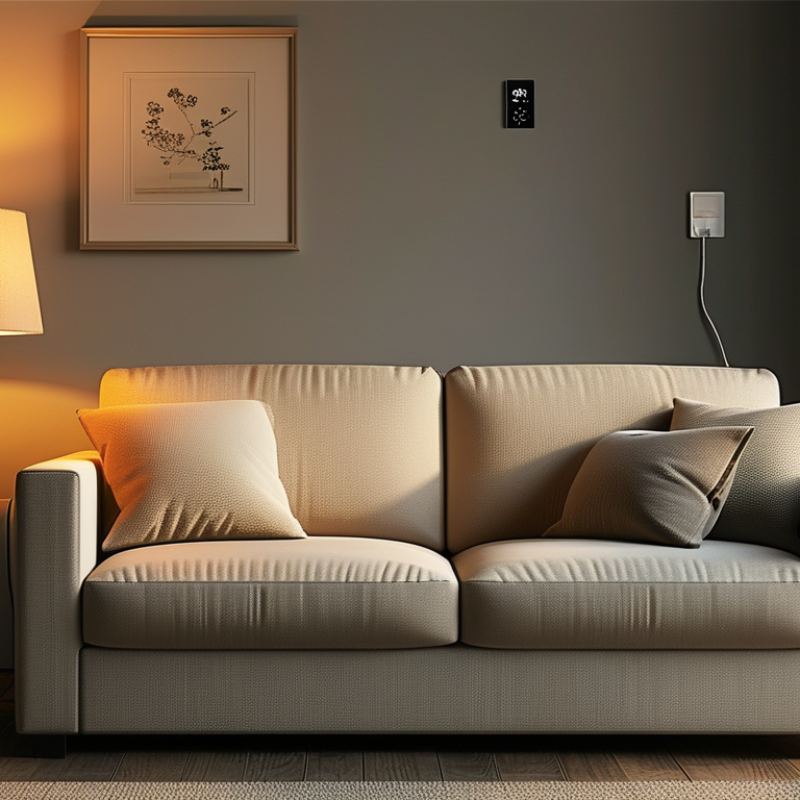
Choosing Smart Lighting For Home is less about chasing the newest gadget and more about matching light to daily routines. A warm lamp beside a sofa creates a calmer evening atmosphere. Brighter, cooler light can support reading, cooking, or focused work. The right system should feel useful, not distracting.
This guide explains how to compare bulbs, fixtures, switches, hubs, and wireless standards. It also considers brightness, color temperature, energy use, voice control, app quality, and installation effort. From practical testing, connectivity matters as much as appearance. A beautiful bulb becomes frustrating when it disconnects during dinner. Compatibility deserves careful attention, especially when mixing brands or using Apple Home, Google Home, or Amazon Alexa. Check product specifications and current certification details before purchasing. Standards and software support can change.
Privacy should also influence the decision. Some systems process commands locally, while others depend heavily on cloud services. Review data policies, update support, and account security. Do not ignore the wall switch. It may be the simplest and most reliable control option. A modest setup often works better than a room filled with unnecessary features. That is easy to forget.
Real homes are imperfect. Wi-Fi coverage may weaken behind thick walls, and smart controls may confuse guests. A careful plan includes manual fallback controls, compatible voltage ratings, and replaceable components. The best choice balances comfort, safety, reliability, and long-term value. It may not be the most expensive option. This guide helps identify that balance with clear criteria and realistic examples.
Define Your Home’s Smart Lighting Needs and Goals
How to Choose the Best Smart Lighting for Home?
Define Your Home’s Smart Lighting Needs and Goals
Start with the room, not the gadget. In my lighting audits, homeowners often want “smart” control without defining the daily problem. A hallway may need motion detection at night. A kitchen may need bright, accurate light for food preparation. A bedroom may need gradual dimming instead. Write down when each room feels too dark, wasteful, or uncomfortable. Then choose a goal: lower energy use, improve safety, create scenes, or support easier control.
The U.S. Department of Energy reports that LED lighting uses at least 75% less energy than incandescent lighting and lasts up to 25 times longer. Smart controls can improve savings, but only when schedules match real habits. A vacant-room automation may fail if sensors miss pets or closed doors. That is worth testing. The International Energy Agency identifies buildings as responsible for about 30% of global final energy consumption, making small control improvements meaningful at scale. Still, connected lighting adds standby energy and maintenance needs.
Tips: Map switches, windows, and furniture before buying. Check whether bulbs fit existing sockets. Test one room for a week. Measure comfort, response time, and electricity use. Keep manual control available. It is easy to over-automate a home, and I have found that simple routines often work better than complicated scenes. Choose adjustable brightness and warmer evening color for living spaces. Review privacy settings carefully, especially for systems using microphones or occupancy data.
Compare Smart Bulb, Fixture, and Lighting System Options
Smart lighting works best when it matches your room, wiring, and daily habits.
Smart bulbs are the simplest option. They fit existing sockets and usually offer dimming, scheduling, and adjustable color. They are practical for renters or homes with many lamps. However, the wall switch must stay on. A switched-off bulb cannot receive commands, which sounds obvious but causes frequent frustration.
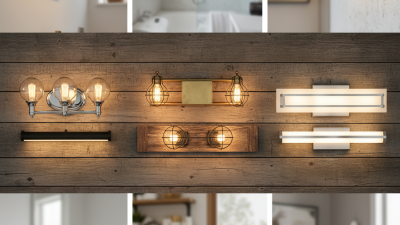
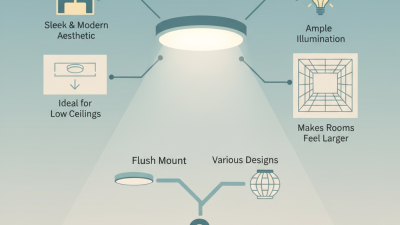
Smart fixtures combine the light source, housing, and controls in one unit. They can provide cleaner ceiling designs, better light distribution, and stronger motion sensing. They also require more installation effort. Check ceiling height, wiring access, replacement parts, and electrical safety before buying. A qualified electrician should handle uncertain wiring. Fixtures may look polished, yet replacing the entire unit later can cost more than replacing a bulb.
A complete lighting system links bulbs, fixtures, sensors, switches, and room scenes. This option suits larger homes, home offices, or families needing consistent control. Test the system’s communication range through walls, its response time, and its behavior when the internet fails. Local control is a useful reliability feature. Also review privacy settings and software support.
I once underestimated how much color temperature affects evening comfort. Warm light felt calmer, while cooler light helped reading. My mistake was choosing brightness before considering glare. A small room may need less light, not more. Good decisions often require compromise between appearance, convenience, maintenance, and long-term cost.
Evaluate Brightness, Color Features, Controls, and Energy Efficiency
How to Choose the Best Smart Lighting for Home?
Choosing smart lighting starts with brightness, not app features. Measure the room and check lumens, because watts only describe energy use. A reading corner may need 800 to 1,100 lumens, while a hallway needs much less. I prefer adjustable white light, from warm evening tones to cooler daylight shades. Color rendering also matters. A high CRI setting can make vegetables, skin, and wall colors appear more natural. Decorative colors are enjoyable, but they should not replace useful white light.
Controls should match your daily habits. Test voice commands, wall switches, motion sensors, and scheduled scenes before buying several lights. A simple physical control remains valuable when the phone is unavailable. Check whether the system works with your existing network and supports secure updates. Energy efficiency depends on more than the bulb’s rating. Compare wattage, standby consumption, dimming performance, and automatic schedules. Turning lights off at midnight saves more energy than choosing a colorful scene.
My mistake was focusing on maximum brightness. The fixture created glare on my desk and felt uncomfortable after an hour. I also underestimated setup time. Some systems need careful placement for reliable signals. Start with one room and observe it for a week. Note brightness, response speed, sleep comfort, and electricity use. Your first choice may not be perfect, and that is useful evidence.
How to Choose the Best Smart Lighting for Home?
Compare typical electricity use for producing approximately 800 lumens of brightness.
How to evaluate smart lighting: Choose a bulb that delivers the required brightness in lumens, offers a suitable color range such as warm white from 2700K or adjustable white from approximately 2700K–6500K, and supports controls that fit your home, including app, voice, schedules, dimming, or physical switches. LED-based smart bulbs typically use about 10 watts for 800 lumens, making them substantially more energy-efficient than incandescent, halogen, and compact fluorescent alternatives.
Set a Budget and Choose the Best Smart Lighting Setup
A smart lighting setup should begin with a realistic budget, not a shopping list. Measure each room and note how many bulbs, switches, and fixtures you need. A small bedroom may need one ceiling bulb and a bedside lamp. A larger living room may require layered lighting for reading, relaxing, and entertaining.
Set aside money for accessories, too. Hubs, compatible switches, dimmers, and replacement bulbs can raise the final cost. In my experience, buying the cheapest option often creates uneven color, weak app control, or connection problems. Still, expensive equipment is not automatically better. A simple setup may be more reliable.
Tips: Start with one room. Choose adjustable white light for practical use. Add color features only where they serve a purpose. Check socket types and electrical ratings before buying. Test brightness at night, not only in a bright store. Keep your receipt.
Think about how the system will grow. Use products that share a common control method and support strong security settings. Place the controller near the center of your home when possible. If your walls are thick, wireless signals may struggle. I once planned lighting around a perfect floor layout, but ignored signal distance. That mistake required a second controller. Leave some budget for changes, because real rooms rarely behave like diagrams.