What is Led Tube Light and How to Choose the Best Option?
LED Tube Lights have become a popular choice for both residential and commercial lighting. They offer significant advantages over traditional fluorescent tubes. Energy efficiency is one of their key features. They consume less energy while providing bright illumination. This can lead to considerable cost savings over time.
However, choosing the right LED Tube Light can be challenging. Variety in options exists, and understanding these differences is crucial. Factors like brightness, color temperature, and length must be considered. It's essential to evaluate the specific needs of your space. Some options may not be suitable for every environment.
Retailers may not always provide in-depth information. This can leave consumers feeling uncertain about their choices. Lack of proper guidance can lead to a less-than-optimal purchase. Knowing what to look for can enhance the buying experience. In summary, understanding LED Tube Lights is key. It allows users to make informed decisions for their lighting needs.

What is LED Tube Light? An Overview of Its Features
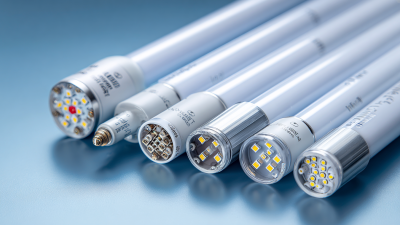
LED tube lights have emerged as a popular lighting solution in both residential and commercial spaces. These lights, characterized by their long, cylindrical shape, offer numerous benefits such as energy efficiency and enhanced durability. According to the U.S. Department of Energy, LED lighting consumes up to 75% less energy than traditional incandescent bulbs. This significant reduction in energy usage contributes to lower electricity bills and a smaller carbon footprint.
When selecting LED tube lights, consider the brightness level measured in lumens. A standard LED tube light can produce between 1,000 to 3,000 lumens. It’s crucial to match the brightness with your space requirements. For instance, a work environment may need higher lumens for optimal visibility, while living areas can use softer lighting. Additionally, you'll find options with different color temperatures ranging from warm white to cool daylight. Choosing the right color temperature can influence mood and productivity.
Tips: Always check for the Energy Star rating on LED products. This certification assures quality and efficiency. Also, keep the length of the tube in mind, as it must fit your existing fixtures. Remember, even within the LED category, there can be significant variance in performance. It's essential to read reviews and assess quality before purchasing to avoid any regret later. Don't overlook the importance of warranty options as they reflect the manufacturer's confidence in their product.
Benefits of Using LED Tube Lights Compared to Traditional Lighting
LED tube lights have gained popularity due to their energy efficiency and long lifespan. Compared to traditional lighting, they offer significant benefits, including lower electricity costs. These lights use less energy, which reduces monthly bills. Their lifespan can reach up to 25,000 hours, diminishing the need for frequent replacements.
Using LED tube lights also provides better light quality. They produce bright, consistent illumination without flickering. This feature helps reduce eye strain, making them suitable for workspaces and homes. Additionally, LED lights emit less heat, enhancing comfort in enclosed spaces.
When selecting LED tube lights, consider the brightness level needed for your space. Higher lumens indicate brighter light. Pay attention to the color temperature as well; this affects the ambiance. Warmer tones create a cozy atmosphere, while cooler tones offer a more energetic feel.
**Tips**: Always check for certifications that guarantee safety and performance. Look for energy-efficient options with a warranty for peace of mind. Remember, integrating them into existing fixtures might require adapter modifications, so research compatibility.
Key Factors to Consider When Choosing LED Tube Lights
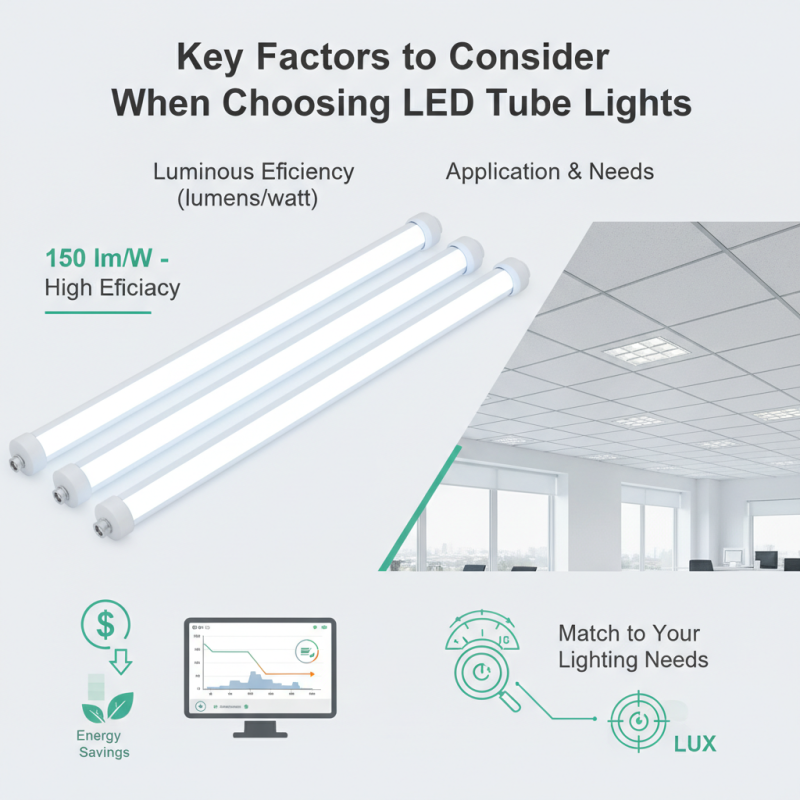
When selecting LED tube lights, several factors are vital. First, consider the luminous efficacy, measured in lumens per watt. According to the U.S. Department of Energy, modern LED tubes can reach up to 150 lumens per watt. This efficiency translates to lower energy bills and less environmental impact. It’s essential to match this efficacy to your lighting needs.
Color temperature also plays a significant role. Ranging from warm (2700K) to cool (6500K), the right choice affects mood and productivity. Studies show that cooler temperatures can enhance focus, making them ideal for workspaces. Additionally, be aware of the CRI (Color Rendering Index), which should be above 80 for natural color visibility.
Lastly, the installation method is worth considering. Some tube lights need additional equipment, while others fit into existing fixtures. Comprehensive research is crucial. Not all products are created equal, and quality can vary greatly among options. Users often report needing replacements sooner than expected due to subpar materials. Taking the time to evaluate these factors ensures a better investment in lighting.
Types of LED Tube Lights Available in the Market
When choosing LED tube lights, understanding the types available is crucial. The market offers various options including single-ended, double-ended, and universal tubes. Single-ended tubes require power on one end, allowing for easier installation in existing fixtures. They often provide energy savings without heavy modifications.
Double-ended tubes draw power from both ends. This setup may enhance brightness but often requires a ballast replacement. Some professionals recommend single-ended for energy efficiency, noting that over 70% of manufacturers prefer this design. Universal tubes can function regardless of wiring setup, providing flexibility in installation. However, these may not always deliver optimal performance.
In addition to design, another key factor is the color temperature. LED tube lights are available in cool, warm, and daylight tones. This flexibility allows users to change the ambience of space effectively. Reports indicate that nearly 50% of users prefer a warm color temperature for residential areas. Deliberately, it may take time for users to adapt to the brightness levels. Each type has its pros and cons, and selecting the right one depends on specific needs and existing fixtures.
Tips for Installing and Maintaining LED Tube Lights
When installing LED tube lights, precise planning is vital. Measure the space carefully before purchasing. This helps ensure the right size and fit. Poor measurements might lead to wasted money and effort. Consider your current fixtures as well. They might need modifications to accommodate new lights.
Maintenance is crucial for longevity. Regularly check for dust accumulation. Dust can reduce brightness and efficiency. Clean the fixtures gently with a soft cloth. Replace any burnt-out tubes promptly. Delaying replacement can lead to uneven lighting.
Another tip involves the right installation technique. Ensure the lights are securely mounted. Loose fixtures may create flickering or instability. If unsure, consult a professional for assistance. Their expertise can save time and prevent installation errors. Staying informed helps you maximize the benefits of your lighting. Knowledge about proper usage plays a major role in efficiency.
What is Led Tube Light and How to Choose the Best Option? - Tips for Installing and Maintaining LED Tube Lights
| Feature |
Description |
Importance |
| Light Output (Lumens) |
Measures the brightness of the tube light. |
High importance for sufficient lighting. |
| Color Temperature (Kelvin) |
Indicates the warmth or coolness of the light (e.g., 3000K warm white, 6500K cool white). |
Helps create desired ambiance. |
| Energy Efficiency |
Measured in watts; indicates power consumption. |
Significant for cost-saving and environmental impact. |
| Lifespan |
Average lifespan measured in hours (e.g., 25,000 hours). |
Critical for reducing replacement frequency. |
| Dimmability |
Indicates if the light can be dimmed. |
Enhances flexibility in lighting design. |
| Installation Type |
Surface-mounted or plug-and-play with fixtures. |
Influences ease of installation. |
| Certifications |
Quality and safety standards (e.g., UL, Energy Star). |
Assures product reliability. |