Why Choose Tube Light for Your Home Lighting Needs?
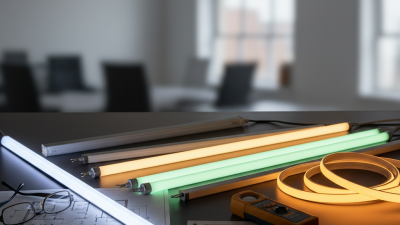
When considering home lighting, Tube Lights stand out for their practicality and efficiency. According to lighting expert Dr. Emily Thompson, "Tube Lights provide not only bright illumination but also a sleek design." This combination makes them a smart choice for modern homes.
Tube Lights are versatile. They fit seamlessly in various settings. You can use them in kitchens, offices, or living rooms. Their slimmer profile takes up less space, allowing for creative lighting designs. Many homeowners appreciate energy efficiency. Tube Lights consume less power than traditional bulbs, reducing electricity bills over time.
However, not all Tube Lights are created equal. Some may lack durability or brightness. It's essential to research brands and reviews carefully. Quality matters. Investing in superior Tube Lights will enhance your living spaces. In a time where eco-friendliness is vital, Tube Lights can be an admirable option for sustainable living.
Advantages of Tube Lights Over Traditional Lighting Options
When it comes to home lighting, tube lights stand out for several reasons. They provide a more even and consistent light compared to traditional bulbs. This uniformity reduces shadows and glare, making spaces feel brighter and more welcoming. In areas like kitchens or workspaces, this quality enhances visibility, allowing you to focus on tasks without straining your eyes.
Additionally, tube lights are more energy-efficient. They use less power while delivering the same brightness as incandescent or fluorescent lamps. This savings can add up significantly over time, which is beneficial for both the environment and your electricity bill. However, it’s essential to consider the initial setup cost, which can be higher than traditional options. This is a factor that homeowners need to weigh against long-term savings.
Moreover, tube lights have a longer lifespan, lasting up to 50,000 hours in some cases. This durability means less frequent replacements, reducing waste. However, not everyone is familiar with the installation process. Some may find it challenging to integrate tube lights into existing fixtures. Addressing these installation issues can improve user experience and satisfaction with the product.
Energy Efficiency: How Tube Lights Save You Money on Electricity Bills
Choosing tube lights for home lighting can lead to significant savings on electricity bills. According to the U.S. Department of Energy, using LED tube lights can reduce energy consumption by up to 75%. Traditional incandescent bulbs use much more power, leading to higher bills. In contrast, tube lights provide consistent brightness while consuming less energy.
Moreover, tube lights have a longer lifespan compared to conventional options. An average LED tube light lasts about 25,000 hours, which is nearly 25 times longer than a standard incandescent. This longevity means fewer replacements and less waste, contributing to a more sustainable environment. However, it’s essential to consider the initial investment. Although the upfront cost can be higher, the long-term savings on electricity and replacement costs justify this expenditure.
Feeling overwhelmed by choices is common. Many people are uncertain about wattage and brightness levels. It's crucial to select the right lumens for your space. The wrong choice can result in dim or harsh lighting. Research shows that improper lighting affects mood and productivity, so ensure you invest time in understanding your lighting needs. Embracing tube lights requires some trial and error, but the energy savings make the effort worthwhile.
Versatility in Design: Using Tube Lights in Various Spaces
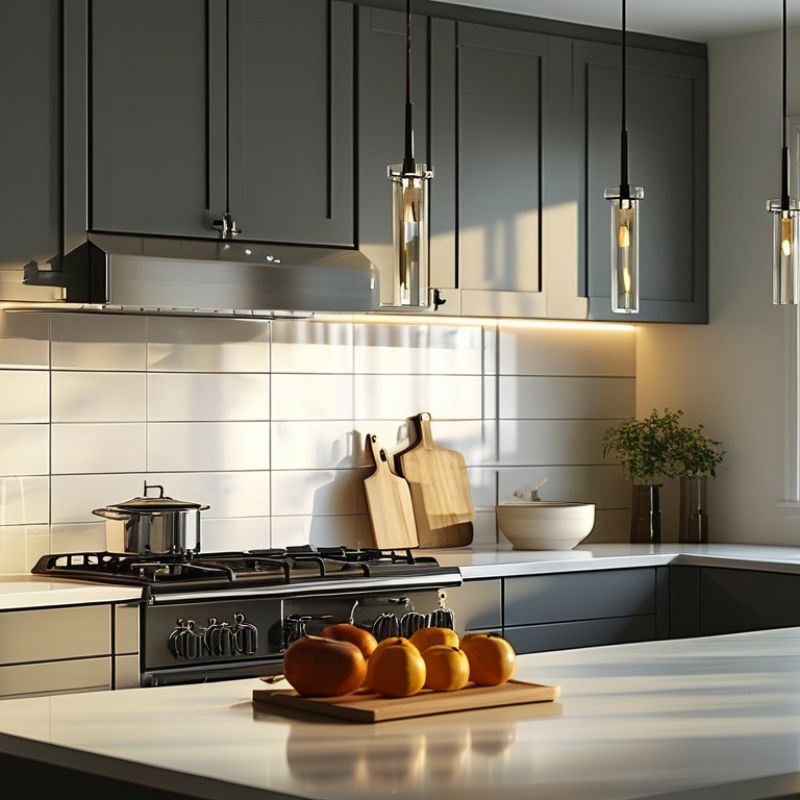
Tube lights have gained popularity for their adaptability in various spaces. Their sleek design makes them suitable for kitchens, offices, and living rooms alike. In a kitchen, they can be installed under cabinets for focused lighting. This creates a bright workspace for meal preparation. Using tube lights in this manner enhances both functionality and style.
In the office, tube lights can be mounted on ceilings or walls. They provide even lighting that reduces eye strain during long working hours. However, it’s essential to consider the color temperature. A cooler tone can energize a workspace, while warmer tones create a more relaxed atmosphere. This means careful selection is vital for achieving the desired effect.
Living rooms present an exciting challenge. Tube lights can be integrated into shelves or behind televisions, creating a modern ambiance. They highlight architectural features and artwork. Yet, one might worry about overwhelming the space. Balancing the brightness is crucial to maintain a cozy feel. Each application of tube lights requires thoughtful reflection on design and ambiance.
Why Choose Tube Light for Your Home Lighting Needs?
This chart illustrates the versatility of tube lights in various spaces within the home.
Longevity and Durability: The Lifespan of Tube Lights Explained
Tube lights are increasingly popular for home lighting due to their longevity and durability. These lights often last around 10,000 to 50,000 hours, significantly outperforming traditional incandescent bulbs, which generally last only 1,000 hours. According to a report by the U.S. Department of Energy, LED tube lights can last over 20 years with regular use. This impressive lifespan means fewer replacements and less waste.
In addition to lifespan, tube lights are designed to endure various conditions. They are typically constructed from robust materials, making them resistant to vibration and external impacts. This durability is critical in high-traffic areas like kitchens or garages. However, it’s essential to consider that while tube lights are sturdy, improper installation can lead to early failures. Issues like overheating or incorrect voltage can shorten their lifespan significantly.
Moreover, tube lights are energy-efficient, contributing to lower energy costs. They consume less wattage than traditional bulbs, yet produce the same brightness. A study by the International Energy Agency estimates that switching to LED tube lighting can reduce energy consumption by over 70%. While the initial purchase price may be higher, the long-term savings on energy bills and replacements often justify this investment.
Why Choose Tube Light for Your Home Lighting Needs?
| Feature |
Description |
Average Lifespan |
Energy Efficiency (%) |
| LED Tube Lights |
Long-lasting and energy-efficient, ideal for residential and commercial use. |
25,000 - 50,000 hours |
80 - 90% |
| Fluorescent Tube Lights |
Common in offices, they provide bright light, but are less energy-efficient. |
7,000 - 15,000 hours |
35 - 60% |
| Incandescent Tube Lights |
Traditional lighting option with warm light, but short lifespan and high energy use. |
1,000 - 2,000 hours |
10 - 17% |
Environmental Impact: Choosing Tube Lights for a Sustainable Home
Choosing tube lights for your home can significantly reduce your environmental footprint. These lights are designed to be more efficient than traditional bulbs. According to a report from the U.S. Department of Energy, tube lights can save up to 50% more energy over their lifespan. This shift not only lowers your electricity bill but also reduces carbon emissions associated with power generation.
Additionally, tube lights have a longer lifespan, typically lasting 20,000 hours or more. This durability means fewer replacements and less waste. The Environmental Protection Agency (EPA) estimates that reducing bulb waste by using LED tube lights can greatly decrease the amount of hazardous materials entering landfills. While the initial investment may be higher, the long-term benefits are evident in both financial savings and environmental preservation.
However, transitioning to tube lights is not without challenges. Some users may struggle with installation or compatibility with existing fixtures. Additionally, while tube lights are more efficient, their production still has an environmental impact. It’s important to weigh these factors when making a switch. Being aware of production processes helps consumers make informed decisions for a more sustainable future.