Smart Lighting For Home How to Choose the Best Options?
In the ever-evolving field of smart home technology, "Smart Lighting For Home" stands out as a transformative solution. Bill Johnson, a renowned expert in home automation, once stated, “The right lighting can redefine our living spaces.” This statement highlights the power of intelligent lighting systems. They enhance ambiance, improve efficiency, and even promote well-being.
When choosing smart lighting options, consider both functionality and aesthetics. Look for systems that offer a blend of style, energy efficiency, and control. Applications can simplify user experiences, but not all options may suit your personal needs. For instance, some setups require complex installations. Others may lack compatibility with existing devices.
The question remains: How can homeowners navigate this diverse market? Key considerations include price, energy savings, and ease of use. Take time to research different brands and technologies. Many features may seem appealing at first. However, some may not integrate well into your lifestyle. Remember, effective decision-making requires careful thought and exploration of available options.
Understanding Smart Lighting: Basics and Benefits for Homeowners
Smart lighting technology is rapidly transforming the way homeowners illuminate their spaces. According to a report by Grand View Research, the smart lighting market is expected to reach $105.5 billion by 2025, driven by increasing energy efficiency awareness. Smart lighting can reduce energy consumption by up to 75%, providing significant savings on utility bills. Energy-efficient LED options, combined with smart control systems, enhance usability and longevity.
Understanding the essential advantages of smart lighting is crucial for homeowners. Automated controls, such as smartphones and voice-activated systems, offer unprecedented convenience. A study from the Lighting Research Center shows that 60% of respondents felt more relaxed in homes with adjustable lighting. This highlights how smart lighting can influence mood and well-being. However, it’s worth considering the initial setup costs, which can be a barrier for some. Some may find themselves overwhelmed by the variety of available options, potentially leading to decisions driven by trends rather than functionality.
Homeowners should reflect on their specific needs when choosing smart lighting systems. Factors such as room size, natural light availability, and desired ambiance play essential roles in selecting the best options. Additionally, the integration with other smart home devices should not be overlooked. Every home is unique, requiring thoughtful consideration of how smart lighting will complement overall living spaces for maximum benefit.
Smart Lighting Options Comparison
Key Features to Consider When Choosing Smart Lighting Solutions
When selecting smart lighting for your home, consider key features that enhance your experience. One significant aspect is compatibility with your home ecosystem. Ensure the smart lights work with your existing smart devices. This integration creates a seamless experience. Lack of compatibility can lead to frustration and dissatisfaction.
Lighting control options also matter. Look for versatility in how you can manage the lights. Voice control, mobile apps, and automation are desirable features. It allows you to adjust settings easily. Some users may find it hard to adapt to new technologies. Testing various controls can help you find what suits you best.
Energy efficiency is another crucial consideration. Smart lights can lower energy consumption. Check for energy ratings before purchasing. However, some may overlook this detail, leading to higher bills. Additionally, examine the light quality. Different bulbs emit varying hues and brightness. Choose what creates the desired atmosphere in your space. Finding the perfect balance can be challenging but rewarding.
Smart Lighting For Home: Key Features to Consider When Choosing Smart Lighting Solutions
| Feature |
Description |
Importance |
Example of Application |
| Automation |
Ability to schedule lighting and control it remotely. |
High |
Setting lights to turn on at sunset. |
| Compatibility |
Works seamlessly with smart home systems like Alexa or Google Home. |
High |
Voice control for lighting adjustments. |
| Energy Efficiency |
Low energy consumption and longer lifespan compared to traditional bulbs. |
Medium |
LED smart bulbs saving on electricity bills. |
| Color Options |
Ability to change colors and set moods with different lighting scenes. |
Medium |
Creating a cozy atmosphere for movie nights. |
| Security Features |
Integration with security systems to simulate presence. |
High |
Lights turning on randomly when away from home. |
Comparative Analysis of Smart Bulbs vs. Smart LED Fixtures
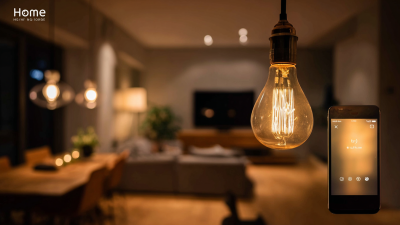
Smart lighting has revolutionized how we experience our homes. When choosing between smart bulbs and smart LED fixtures, it's essential to understand their differences. Smart bulbs offer flexibility and are easy to install. You can simply replace your existing bulbs with smart ones. These bulbs can transform any standard light fixture into a smart one, making them very convenient for renters.
On the other hand, smart LED fixtures integrate the technology directly into the light itself. They usually come with built-in sensors and enhanced features. This can create a more seamless look in your home but often requires professional installation. The choice between the two depends on your needs. If you value easy installations, smart bulbs are likely your best bet. However, for a more sophisticated setup, smart LED fixtures might be worth considering.
When deciding which option to choose, consider your lifestyle. If you frequently change locations, smart bulbs may be more practical. For those planning a long-term setup, investing in LED fixtures could add more value. Also, check compatibility with your home automation systems. Researching and understanding these features will help you make an informed choice.
Integration with Home Automation Systems: What to Look For
When integrating smart lighting with home automation systems, it's essential to consider compatibility. Many lighting options claim to be smart, but not all can work seamlessly with popular home systems. Look for models that support common protocols like Zigbee or Z-Wave. This ensures smooth communication between devices. Compatibility not only affects performance but also user experience. For instance, lights that don’t communicate well might delay or even fail to respond to commands.
Another crucial factor is ease of use. User interfaces can vary significantly across products. Some may require complex setups, while others feature intuitive apps. Test the app's functionality before purchasing. A confusing interface can be frustrating. It may lead to underutilization of features. Remember that smart lighting should enhance your daily life, not complicate it.
Security is also an aspect that needs attention. Some smart lighting systems can be vulnerable to hacking. Make sure to choose options that prioritize security measures. Regular software updates and robust encryption can safeguard your devices. While newer tech brings convenience, it can also pose risks. Take the time to evaluate the security features of your chosen lighting solutions.
Current Market Trends and Future Predictions in Smart Lighting Technology
The landscape of smart lighting technology is evolving rapidly. Today, consumers prioritize energy efficiency, convenience, and customization. Trends indicate a shift towards integrated systems that connect with other smart devices. This creates a seamless experience, allowing users to control lights via smartphones or voice commands. Many people appreciate the ability to set schedules or automate lighting based on their daily routines.
Market predictions indicate that advancement will focus on artificial intelligence and machine learning. These technologies promise enhanced adaptability in lighting solutions. Homeowners may find systems that learn their preferences over time, adjusting brightness and color temperatures automatically. However, challenges remain. Not all consumers fully grasp the capabilities of these technologies. Misunderstandings about setup and operation can lead to frustration.
Security is another concern, as smart lighting systems may be vulnerable to cyber threats. Users should remain vigilant and choose products with strong encryption. The market is likely to see a rise in solutions prioritizing security features. As consumers demand more, manufacturers must focus on educating their users. Improvements in clarity and user support will be crucial for future innovations in this arena.