Smart Lighting For Home Trends You Need to Know in 2026?
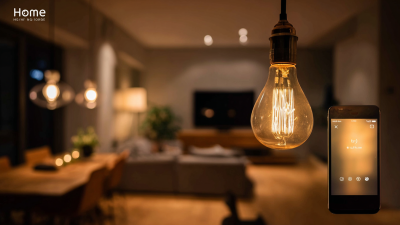
As we look toward 2026, the evolution of Smart Lighting For Home is reshaping our living spaces. This trend integrates advanced technology with design, aiming to enhance comfort and efficiency. Smart lighting systems offer adaptability, allowing homeowners to customize lighting based on mood or activity. Imagine adjusting your lights with just a voice command or a smartphone app.
However, with innovation comes complexity. Many users feel overwhelmed by the variety of options available. Choosing the right system may seem daunting. Not every product on the market delivers reliability and performance. It’s essential to research brands and reviews.
Smart lighting not only adds aesthetic value but also promotes sustainability. Energy-efficient LED technology can significantly reduce electricity bills. Nonetheless, some homeowners remain hesitant to make the switch due to upfront costs. Balancing initial investment with long-term savings is key. Understanding the real benefits of Smart Lighting For Home helps navigate these concerns. The journey to smarter homes continues, filled with excitement and challenges.
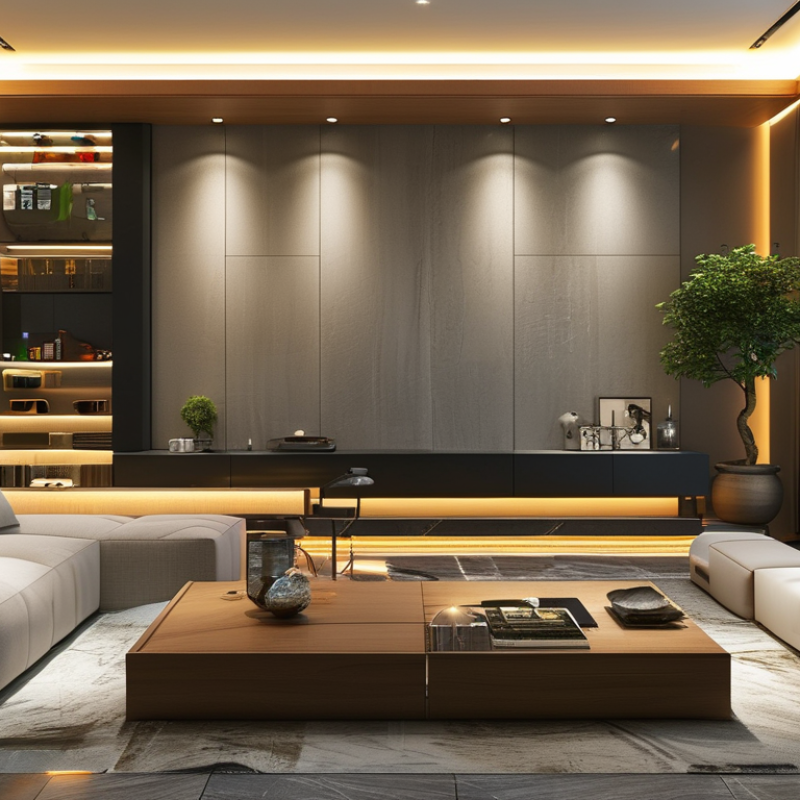
Emerging Technologies in Smart Home Lighting for 2026
As we approach 2026, smart home lighting is evolving rapidly. Emerging technologies promise enhanced user experiences and increased energy efficiency. One notable trend is the integration of AI in lighting systems. These systems will learn user preferences and adapt accordingly. Imagine lights that adjust brightness based on the time of day.
Another exciting development is the rise of human-centric lighting. This concept prioritizes well-being by mimicking natural light patterns. It helps regulate circadian rhythms and improve mood. Smart sensors will play a crucial role, detecting occupancy and adjusting lighting automatically. However, there are flaws to consider. Dependence on technology can lead to over-automation and potential user frustration.
Moreover, sustainability remains a key focus. Smart lighting solutions focus on energy savings. This not only reduces bills but also minimizes environmental impact. Yet, the challenge lies in consumer adoption. Some may hesitate to switch to smart solutions due to perceived complexity. Addressing these concerns will be essential for widespread acceptance in the coming years.
Smart Lighting For Home Trends You Need to Know in 2026
| Trend |
Description |
Benefits |
Expected Adoption Rate (%) |
| Voice-Activated Lighting |
Integration with smart assistants for hands-free control. |
Convenience, accessibility for disabled users, and enhanced user experience. |
75 |
| Circadian Lighting |
Lighting that adjusts color temperature based on natural light cycles. |
Improved sleep quality and mood regulation. |
60 |
| Smart Light Color Changing |
Capability to change colors based on user preferences or activities. |
Customization for ambiance, enhances decor. |
70 |
| Energy-Efficient Technologies |
Utilization of LED and IoT technology for energy savings. |
Reduced energy bills and environmental impact. |
85 |
| Integrated Home Security Lighting |
Lighting systems that enhance home security by illuminating entry points. |
Increases safety, deters intruders. |
65 |
Key Features of Smart Lighting Systems Expected by 2026
Smart lighting systems are set to revolutionize how we illuminate our homes by 2026. One of the key features expected is enhanced energy efficiency. According to a report by the International Energy Agency, smart lighting could reduce energy consumption by up to 30%. This not only saves money but also contributes to a greener planet. These systems will likely integrate with home automation tools, allowing users to control lighting via smartphones or voice commands.
Another significant trend is adaptive lighting, which adjusts brightness based on natural light levels and activities. Research indicates that homes using adaptive lighting report increased comfort levels. Users can create different moods and atmospheres simply by adjusting the light. Furthermore, improvements in sensors and AI will make these systems more intuitive. However, concerns about privacy still linger. With greater connectivity comes a need for robust security measures to protect user data.
Finally, sustainability will drive innovations in smart lighting. Expect features that prioritize eco-friendly materials and reduce waste. The market for eco-conscious consumers is growing, and minimizing environmental impact is crucial. While these advancements appear promising, they also raise questions about accessibility. Ensuring all consumers can benefit is a challenge that the industry must address moving forward.
Smart Lighting Trends in 2026
Integration of Smart Lighting with Home Automation and IoT
The integration of smart lighting with home automation and IoT is transforming how we interact with our living spaces. According to recent market analysis, the global smart lighting market is projected to reach $78 billion by 2026, emphasizing the growing demand for connected solutions.
Smart lighting systems can be synchronized with other smart devices, creating a cohesive environment that enhances convenience and energy efficiency. For instance, when you enter a room, the lights can adjust based on natural lighting and your preferences.
However, this wave of innovation isn't without challenges. Many consumers still face complexities in setup and compatibility issues. A report by the International Energy Agency highlights that while energy savings could reach 50% with smart lighting, many households have yet to fully embrace this technology. There is a need for standardization to ease integration with existing systems.
Moreover, privacy concerns continue to loom large. With smart lighting connected to home networks, data security becomes crucial. Homeowners must remain vigilant about protecting their information. As these technologies advance, balancing innovation with security will be vital for long-term adoption.
Sustainability Trends Influencing Smart Lighting Choices in 2026
As the awareness of sustainability increases, smart lighting trends in 2026 reflect this shift. A recent report by the International Energy Agency highlights that lighting accounts for about 15% of global electricity consumption. This statistic urges homeowners to seek eco-friendly lighting solutions. Smart lighting systems, which often integrate LED technology, are seen as a viable option for reducing energy use and carbon footprints.
Moreover, consumers are prioritizing products that offer longevity and recyclability. According to the Global Environmental Change report, 75% of consumers express a preference for sustainable home technologies. This trend pushes manufacturers to innovate in ways that enhance energy efficiency. For example, adaptive lighting systems can adjust brightness based on the time of day, further conserving energy.
However, sustainability is not without its challenges. Not all smart lighting products are designed with eco-friendliness in mind. Some options may contain hazardous materials, leading to waste issues. Consumers must remain vigilant and educate themselves about these products. Awareness and informed choices are essential for achieving a truly sustainable home lighting experience.
User Experience Innovations in Smart Lighting Design for 2026
In 2026, smart lighting design will emphasize user experience like never before. The focus will shift towards personalization and interaction. Users will want lighting that adapts seamlessly to their lifestyles. Imagine lights that brighten as you wake up and dim as you prepare for sleep. This level of adaptability will create a more enjoyable home environment.
Innovations in technology will allow for intuitive interfaces. Voice control and mobile applications will simplify user interaction. With just a few taps or a voice command, a room’s ambiance can be transformed. However, the challenge lies in maintaining ease of use without overwhelming the user with options.
Data privacy will also remain a concern. As smart lighting systems collect user habits, transparency will be crucial. Users must trust the system to respect their data. Balancing advanced features with user comfort will be vital. Designers need to reflect on usability and prevent potential information overload. Creating user-friendly experiences while encouraging security is essential in future designs.