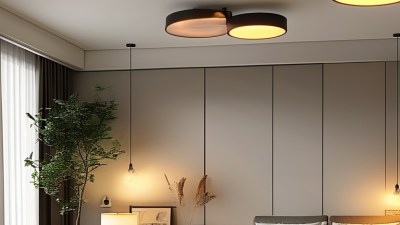
Choosing the right Led Ceiling Light begins with understanding how each design changes a room’s light, comfort, and energy use. The main categories include flush-mount lights, semi-flush fixtures, recessed downlights, LED panels, pendants, and smart ceiling systems. Each type serves a different ceiling height, layout, and lighting goal. A low-profile flush mount suits a narrow hallway. A pendant can place focused light above a dining table. Recessed lighting creates a cleaner ceiling line, but poor spacing may produce harsh pools and dark corners.
Industry evidence supports the shift toward LED technology. The International Energy Agency reported in its 2024 lighting analysis that LED products represented more than half of global lighting sales in 2022, compared with about 5% in 2013. The U.S. Department of Energy’s SSL Research and Development Opportunities report also highlights continuing gains in LED efficacy, color quality, controls, and thermal management. These improvements affect more than electricity bills. They influence glare, color appearance, maintenance frequency, and visual comfort beneath the fixture.
Still, product comparisons are rarely simple. A highly efficient light may feel uncomfortable if its beam angle is too narrow. A smart model may offer useful scheduling, yet add unnecessary complexity in a rarely used room. This is where many buying guides become too tidy. Look beyond wattage. Check lumens, color temperature, color rendering, dimming compatibility, rated life, and installation depth. ENERGY STAR specifications can support a more reliable comparison, but real room conditions still matter. The top type is not universal. It is the one that balances performance, ceiling structure, user habits, and the atmosphere you want to create.
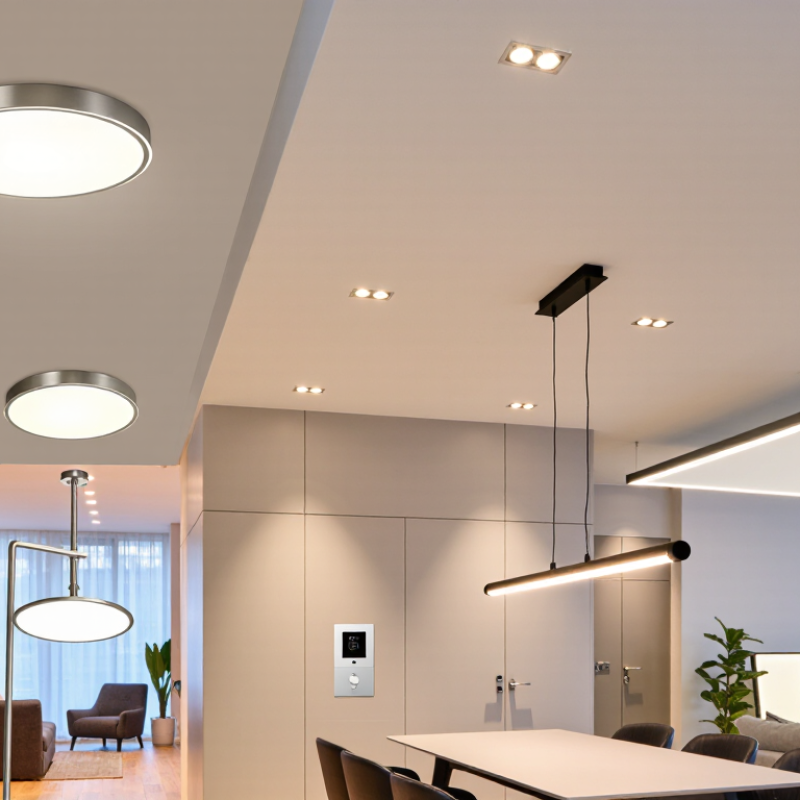
LED ceiling lights are electric fixtures that use light-emitting diodes to illuminate rooms from above. Unlike older bulbs, LEDs convert more electrical energy into visible light and produce less wasted heat. Common designs include flush-mount, semi-flush, recessed, panel, and smart ceiling fixtures. Each type suits a different ceiling height, room size, and installation condition.
Core features matter more than appearance. Lumens indicate brightness, while watts show energy use. A 1,600-lumen fixture may suit a small bedroom, but a kitchen often needs stronger, evenly distributed light. Color temperature also changes the room’s character. Warm white feels comfortable in bedrooms, while neutral white can improve visibility near work surfaces. Color rendering affects how accurately skin, wood, and food appear. A high CRI rating is useful in these areas.
Look closely at the diffuser and heat management. A frosted diffuser can reduce harsh glare, but poor materials may yellow over time. Reliable fixtures usually include a heat sink, stable driver, and clear dimming specifications. Flicker is easy to miss in a showroom, yet it can become tiring during long work periods. Installation observations often reveal another issue: ceiling boxes may not support the fixture’s weight. Check that detail before buying. I also find product labels inconsistent, especially when they describe lifespan without explaining operating conditions. That deserves a careful question, not blind confidence.
LED ceiling lights come in several practical forms, each suited to a different room and ceiling height. Flush mount lights sit close to the ceiling, making them useful in bedrooms, hallways, and rooms with limited clearance. They usually provide broad, even illumination without taking up visual space. Semi-flush mount lights hang slightly lower and often create a more decorative appearance. They work well in dining areas, entryways, and bedrooms with moderate ceiling height.
Recessed LED lights fit inside the ceiling, creating a clean and discreet look. They are effective for kitchens, offices, and corridors where focused lighting matters. However, installation may require suitable ceiling space and professional electrical work. LED panel lights offer wide, uniform coverage and are common in workrooms or larger living areas. Their flat design can reduce shadows, although a poorly selected panel may feel harsh or overly bright.
Adjustable track-style LED ceiling lights direct light toward artwork, shelves, or work surfaces. They provide flexibility, but several visible fixtures may look busy in a small room. When choosing a type, check lumen output, color temperature, dimming compatibility, and heat management. Warm white light often feels comfortable in bedrooms, while neutral white can support detailed tasks. I once underestimated glare from a bright panel. The room looked efficient, but not relaxing. That mistake still influences how I assess ceiling lighting.
| Type of LED Ceiling Light | Typical Design | Light Distribution | Best-Suited Applications | Key Advantages | Important Considerations | Common Color Temperatures | Typical Dimming Compatibility |
|---|---|---|---|---|---|---|---|
| Flush Mount Light | A compact fixture mounted directly against the ceiling. | Broad, generally even illumination directed downward and outward. | Bedrooms, hallways, kitchens, utility rooms, and rooms with low ceilings. | Space-saving profile, low visual obstruction, and easy routine cleaning. | Usually provides less decorative presence and less indirect light than pendant or semi-flush designs. | 2700–3000 K for warm residential light; 3500–4000 K for work areas. | Depends on the integrated driver or compatible LED lamp and wall control. |
| Semi-Flush Mount Light | A ceiling-mounted fixture with a short stem or small gap between the shade and ceiling. | Downward light combined with some upward or reflected ambient light. | Dining areas, entryways, bedrooms, living rooms, and medium-height ceilings. | Offers more decorative detail and visual depth than a flush mount while remaining relatively compact. | Requires more vertical clearance than a flush mount and may collect dust around the canopy. | 2700–3000 K for a relaxed atmosphere; 3000–4000 K for general-purpose lighting. | Often available with dimmable LED drivers, but compatibility should be checked before installation. |
| Recessed LED Downlight | An LED module or trim installed inside a ceiling cutout. | Focused or wide downward beam, depending on the trim and beam angle. | General lighting, kitchens, bathrooms, offices, corridors, and accent lighting. | Clean architectural appearance, efficient space use, and flexible beam control. | Requires suitable ceiling space, accurate cutout sizing, and attention to insulation and heat-management requirements. | 2700–3000 K for homes; 3500–4000 K for offices and task areas. | Commonly available in dimmable versions; the driver, dimmer, and wiring must be compatible. |
| LED Panel Light | A thin, flat panel using edge-lit or back-lit LED technology. | Wide, uniform, low-glare illumination across a broad area. | Offices, classrooms, hospitals, retail spaces, kitchens, and suspended grid ceilings. | Even light output, slim construction, and suitability for large-area general illumination. | Panel size and installation method must match the ceiling system; glare performance varies by optical design. | 3000–4000 K for comfortable general lighting; 5000–6500 K for cooler work environments. | May support phase-cut, 0–10 V, DALI, or other control methods depending on the driver. |
| Track Light | Adjustable LED heads mounted on an electrified ceiling track. | Directional beams that can be aimed at walls, objects, work surfaces, or display areas. | Galleries, retail stores, kitchens, studios, living rooms, and accent-lighting layouts. | Flexible aiming, easy repositioning, and effective highlighting of selected areas. | Produces less uniform ambient light unless multiple heads are planned carefully; visible track may not suit every interior. | 2700–3000 K for residential spaces; 3000–4000 K for commercial displays. | Some systems are dimmable, but fixture heads, track components, and controls must be designed to work together. |
| Pendant LED Light | A fixture suspended from the ceiling by a cord, rod, or cable. | Downward, upward, or combined direct and indirect illumination. | Dining tables, kitchen islands, reception areas, foyers, and decorative living spaces. | Provides visual focus, task lighting, and strong design flexibility. | Needs adequate ceiling height and careful mounting height to avoid obstructing views or creating glare. | 2700–3000 K for dining and living spaces; 3000–4000 K for task-oriented areas. | Frequently available in dimmable models, subject to driver and control compatibility. |
| LED Troffer | A recessed or surface-mounted rectangular fixture designed for modular ceiling systems. | Broad, uniform downward distribution for large work areas. | Offices, schools, healthcare facilities, workshops, and commercial interiors. | Efficient replacement for fluorescent troffers, consistent coverage, and compatibility with occupancy or daylight controls. | Requires correct ceiling-module dimensions and careful selection of glare, optical, and emergency-lighting features. | 3500–4000 K for offices and institutional settings; 5000 K or higher for some industrial tasks. | Control options may include dimming, occupancy sensors, daylight harvesting, or networked lighting systems. |
| LED High-Bay Light | A powerful suspended or surface-mounted fixture for high-ceiling spaces. | Wide or narrow high-output distribution selected according to mounting height and layout. | Warehouses, factories, sports facilities, distribution centers, and other large-volume spaces. | High lumen output, long service life, and reduced maintenance at elevated mounting heights. | Requires accurate mounting-height, beam-angle, heat-management, and glare calculations. | 4000–5000 K is common for industrial and warehouse environments. | Often supports 0–10 V dimming, motion sensors, or other industrial control systems. |
| LED Ceiling Fan Light | An LED light integrated into or attached to a ceiling fan. | Generally broad downward illumination, often softened by a diffuser. | Bedrooms, living rooms, covered patios, and areas needing both air movement and overhead light. | Combines two ceiling functions in one installation and can save visual space. | Light output, beam spread, and control operation may be affected by the fan design; moving blades can create visual flicker effects. | 2700–3000 K for residential comfort; 3500–4000 K for brighter general use. | May use a wall control, pull chain, remote, or smart control; compatibility varies by model. |
| Smart LED Ceiling Light | An LED ceiling fixture with app, voice, wireless, scheduling, or automation functions. | Varies from general diffuse light to adjustable direct or indirect illumination. | Homes, hospitality areas, bedrooms, living rooms, and connected office environments. | Remote control, scheduling, scene setting, and—in some models—adjustable brightness or color temperature. | Requires attention to wireless standards, network dependence, software support, and privacy or security settings. | Often adjustable from approximately 2700 K to 6500 K, depending on the fixture. | Usually controlled through an app, remote, voice assistant, or compatible smart-home platform. |
LED ceiling lights differ mainly in how they direct light, manage heat, and connect to a room’s ceiling.
Flush-mount fixtures sit close to the surface. Their LED board sends light through a diffuser, creating broad, even illumination for bedrooms, hallways, and low ceilings.
Semi-flush models leave a small gap above the shade. This gap allows slightly better airflow and often produces a softer downward glow.
Recessed lights work differently. Their LED module sits inside a ceiling opening, so the trim controls glare and beam spread. They look clean, but insulation, wiring space, and moisture ratings require careful checking.
LED panel lights use a thin light guide or edge-lit design. LEDs shine into the panel’s edge, and the guide spreads that light across the front. This creates a smooth ceiling plane with fewer bright spots. It can feel wonderfully calm.
Some adjustable ceiling fixtures use movable heads or rotating modules. They let you aim light toward artwork, a worktop, or a reading chair. Their flexibility is useful, but poor aiming can create harsh shadows.
Every type also needs a driver, which changes household electricity into a stable current for the LEDs. A quality driver reduces flicker and supports consistent brightness.
Heat remains important, even though LEDs run cooler than older lamps. Dust, trapped insulation, or an undersized fixture can shorten service life.
No ceiling light is perfect. The best choice depends on ceiling depth, room use, glare tolerance, and the quality of the installation.
Choosing an LED ceiling light starts with room conditions, not appearance alone. Flush-mount fixtures suit low ceilings and provide broad, even lighting. Recessed lights create a clean outline, but they need ceiling depth and careful spacing. Semi-flush designs add visual interest while preserving headroom. Flat LED panels work well in offices, kitchens, and work areas requiring uniform brightness. The right type depends on how people use the room.
Check lumens, not wattage. Higher lumens do not always mean better comfort. Color temperature affects mood, while a high color rendering index helps walls, food, and fabrics look more natural. Beam spread matters too. Narrow beams can create bright patches. Wide beams may reduce shadows but increase glare. Dimming compatibility should be confirmed before installation. Otherwise, flicker may appear at low settings. In bathrooms, an appropriate moisture-resistance rating matters more than a decorative finish.
Ceiling height changes the comparison. A slim flush mount is practical above a busy walkway. A recessed fixture may look refined, yet installation can disturb insulation or wiring. Heat management also deserves attention because poor ventilation can shorten LED life. My first instinct was to choose the brightest option for every room. That was not always comfortable. A measured layout, clear specifications, and an electrician’s inspection usually produce a more reliable result. Small compromises remain, especially between visual style, installation effort, and long-term maintenance.
Key factors for comparing LED ceiling light types include typical luminous efficacy, installation style, light distribution, dimming compatibility, color rendering, and moisture resistance.
The chart compares representative typical luminous efficacy values for common LED ceiling-light categories. Actual performance varies by optical design, LED package, driver efficiency, operating temperature, and product certification. Higher efficacy means more lumens are produced per watt of electricity.
Choosing the Right LED Ceiling Light for Each Space
LED ceiling lights come in several practical forms. Flush mounts sit close to the ceiling, making them useful in rooms with limited height. Semi-flush fixtures add a small drop and create a more decorative effect. Recessed lights offer a clean appearance, while panel lights spread soft illumination across larger areas. Each design changes how a room feels.
A living room usually benefits from layered lighting. A dimmable flush mount can provide general light, while recessed fixtures brighten reading corners. For bedrooms, choose a warmer color temperature, around 2700K to 3000K. This range feels calmer at night. A kitchen needs clearer light, often between 3500K and 4000K, especially above worktops. Bathrooms require suitable moisture protection. Check the fixture’s IP rating before installation.
Measure the room before choosing brightness. A small bedroom may feel harsh under an oversized, high-output fixture. A wide dining area may look dull with one weak ceiling light. I have seen attractive lights fail because their color rendering was ignored. Look for a high CRI when accurate colors matter. It improves food, clothing, and surface appearance. Dimming compatibility also deserves attention, because not every LED fixture works with every dimmer. Specifications can be confusing. Ask a qualified electrician to confirm wiring, ceiling support, and local safety requirements. Even a careful plan can miss the room’s actual evening mood. Test the light at night, not only in daylight.