10 Essential Tips for Choosing the Right Led Ceiling Light for Your Home?
Choosing the right Led Ceiling Light is crucial for your home's ambiance. The lighting industry reports that nearly 80% of homeowners prioritize energy efficiency in their lighting choices. This shift reflects a growing awareness of sustainability and cost savings. Additionally, LED lights use up to 75% less energy than traditional incandescent bulbs, making them an excellent choice for eco-conscious consumers.
However, the selection process can be confusing. With various styles, brightness levels, and features available, it’s easy to feel overwhelmed. A report from the American Lighting Association indicates that improper lighting can lead to discomfort and reduced productivity in the home. Many people overlook how color temperature affects mood. Most might assume white light is always ideal, but warm tones can enhance relaxation.
Understanding these factors is essential in selecting the best Led Ceiling Light for any space. It’s not just about aesthetics; it’s about functionality and overall well-being. Investing in the right lighting can transform a room. Yet, many homeowners end up with options that do not fulfill their needs. It requires careful consideration to avoid common pitfalls and ensure the lighting complements your home effectively.
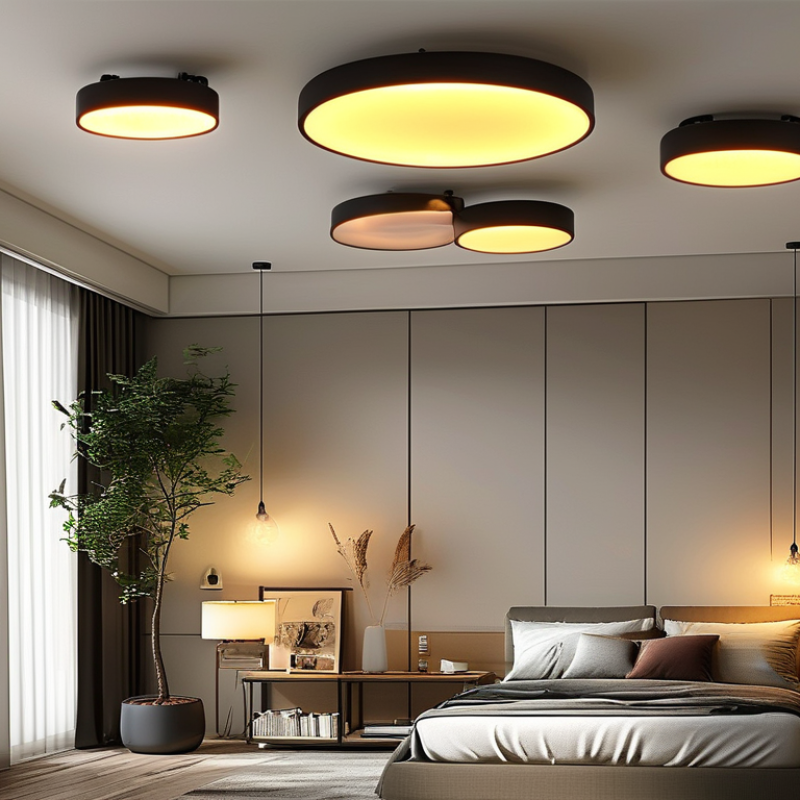
Understanding LED Ceiling Light Types: Flush, Semi-Flush, and Pendant
When choosing LED ceiling lights, understanding the various types available is crucial.
Flush mounts sit snugly against the ceiling, providing a clean look. They work great in smaller rooms or areas with low ceilings.
Semi-flush designs offer a bit of elegance; they hang lower than flush lights, adding depth to a space. This is ideal for dining areas or living rooms where ambiance matters.
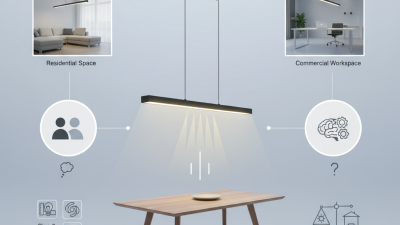
Pendant lights stand out with their unique designs. They hang from the ceiling, often over tables or kitchen islands. The right pendant can be a statement piece, drawing eyes upward.
However, careful consideration is needed regarding height and scale; too low can obstruct views, while too high might not provide adequate lighting.
Tip: Consider the size of your room before selecting a light. A large fixture might overwhelm a small space, while a tiny one may get lost in a grand room.
Tip: Think about the bulb's brightness. Some rooms need more illumination than others, affecting the type of fixture you choose.
Finding balance in your lighting is essential to create a comfortable atmosphere.
Key Factors in Assessing Lumens and Wattage for Energy Efficiency
When choosing the right LED ceiling light, understanding lumens and wattage is crucial for energy efficiency. Lumens measure brightness, while wattage indicates energy consumption. For instance, a 10-watt LED bulb provides about 800 lumens, similar to a 60-watt incandescent bulb, which helps reduce energy use significantly. According to the U.S. Department of Energy, switching to LED lights can save about 75% on energy costs over time.
Tip: Consider your room size. A larger space may require multiple fixtures to achieve adequate illumination. Ensure you balance lumens with wattage. It’s easy to overlook but necessary for optimal lighting.
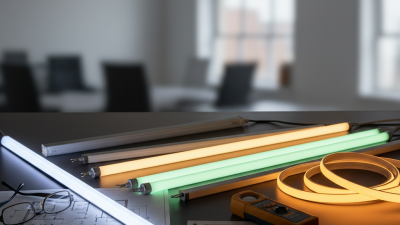
Another essential factor is the color temperature of the light. Measured in Kelvin, a range of 2700K to 3000K creates a warm atmosphere, ideal for living rooms. Higher temperatures, like 4000K to 5000K, offer a cooler light, suitable for workspaces. Be sure to reflect on how different temperatures impact your perception of space and comfort.
Tip: Pay attention to dimmability. Not all LEDs can be dimmed, which could limit control over mood and energy use. Consider your lifestyle and how illumination needs might change throughout the day.
Color Temperature and Its Impact on Ambiance: Warm vs. Cool Light
Choosing the right color temperature for LED ceiling lights can transform your home's atmosphere. Color temperature is measured in Kelvins (K). A value below 3000K is warm light, while above 5000K is cool light. Studies show that warm lighting fosters relaxation, making it ideal for bedrooms and living areas. On the other hand, cool lighting enhances focus, perfect for workspaces.
Recent surveys indicate that 62% of homeowners prefer warm light in intimate spaces. This is often linked to its calming effect, which can promote a sense of well-being. In contrast, cool light adds a vibrant touch, creating an energized environment. Many people report that they feel more productive under cooler tones. However, the choice also depends on individual preferences and the furniture's color scheme.
It's essential to consider how lighting affects mood and productivity. While warm light feels cozy, it sometimes lacks the clarity needed for detailed tasks. Not everyone appreciates stark coolness in a living space. This blend of warmth and coolness reflects personal tastes and functional needs. Lighting should enhance the room's purpose, creating a unique ambiance tailored to your lifestyle.
10 Essential Tips for Choosing the Right Led Ceiling Light for Your Home
| Tip Number |
Tip Description |
Color Temperature |
Ambiance Effect |
| 1 |
Determine the purpose of the room |
Warm (2700K-3000K) |
Creates a cozy and inviting atmosphere |
| 2 |
Consider the size of the room |
Cool (4000K-5000K) |
Enhances focus and productivity |
| 3 |
Check the height of the ceiling |
Daylight (5000K-6500K) |
Mimics natural light, ideal for detail work |
| 4 |
Select the right style for your decor |
Warm (2700K-3000K) |
Adds warmth to traditional styles |
| 5 |
Decide on dimmability |
Cool (4000K-5000K) |
Good for adjustable lighting based on activity |
| 6 |
Include multiple light sources |
Daylight (5000K-6500K) |
Enhances overall brightness and feel of the space |
| 7 |
Assess energy efficiency |
Warm (2700K-3000K) |
Energy saving, lowers utility bills |
| 8 |
Look for high CRI (Color Rendering Index) |
Cool (4000K-5000K) |
Shows colors accurately, better for art and design |
| 9 |
Don’t overlook installation requirements |
Daylight (5000K-6500K) |
Ideal for workspaces needing bright light |
| 10 |
Seek professional advice if needed |
Warm to Cool (variable) |
Achieve desired atmosphere tailored to your needs |
Design Considerations: Style, Size, and Room Functionality
Choosing the right LED ceiling light for your home involves careful consideration of design elements. Style plays a crucial role in how the light fits into your existing decor. Consider the overall aesthetic—modern, traditional, or industrial. The shape and finish of the fixture should complement your furniture and wall colors. If you prefer a minimalist style, opt for sleek and simple designs. For a touch of elegance, find fixtures with decorative elements.
The size of the light fixture is equally important. A large room may require multiple lights or a striking chandelier for adequate illumination. In smaller spaces, however, a few well-placed lights can create an inviting atmosphere. Pay attention to the ceiling height too. Low ceilings might benefit from flush mounts to avoid a cramped feel, while taller ceilings can accommodate pendants.
Room functionality should guide your choice as well. For task-oriented areas like kitchens and offices, select fixtures that provide bright, focused light. In living areas where ambiance is key, softer lighting may be more suitable. Reflect on how you utilize each room and choose lights that enhance those activities. It's essential to strike a balance between aesthetics and practicality.
Installation and Maintenance: Ensuring Long-lasting Performance
When it comes to installing LED ceiling lights, proper installation is key to ensuring their longevity. Pay close attention to the wattage and voltage before installation. This can prevent overheating and possible malfunctions. Incorrect installation can lead to flickering or dimming lights, which might be frustrating.
Maintenance is just as important. Regularly check for dust accumulation on the fixtures. Dust can reduce brightness and affect the light’s performance. Providing easy access to the lights during installation makes future cleaning simpler.
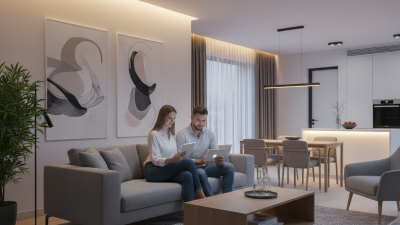
When choosing LED lights, consider the ambiance you want to create. Warm white lights provide a cozy feel, while cool white lights can enhance productivity in workspaces. Think about dimmable options for versatility. These small decisions can greatly impact your home’s aesthetic and function.
LED Ceiling Light Performance Factors