2026 Top Linear Light Pendant Trends for Global Buyers?
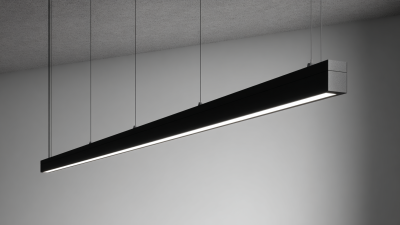
In the evolving world of lighting design, the trend of Linear Light Pendants is gaining momentum. Experts predict that these fixtures will dominate the market by 2026. According to renowned lighting designer Sarah Thompson, "Linear Light Pendants redefine modern elegance and functionality in any space." This statement highlights the changing perception of lighting solutions.
Linear Light Pendants can seamlessly blend into various interior styles. They offer a sleek aesthetic while providing ample illumination. Buyers worldwide are starting to recognize their potential. However, the challenge remains in choosing the right design that balances form with function. Each Linear Light Pendant should complement the unique character of a room.
As global buyers explore new trends, it's crucial to stay informed about innovation. The market is rich with options, yet not all are created equal. Some designs may look promising but fail to deliver on performance. Reflecting on these considerations will guide buyers toward making informed decisions. The future of Linear Light Pendants holds promise, but careful selection is essential.
Emerging Design Styles for Linear Light Pendants in 2026
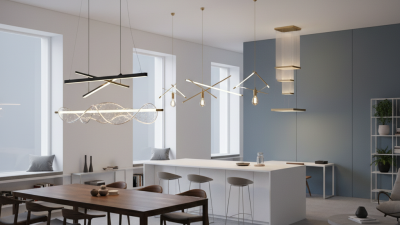
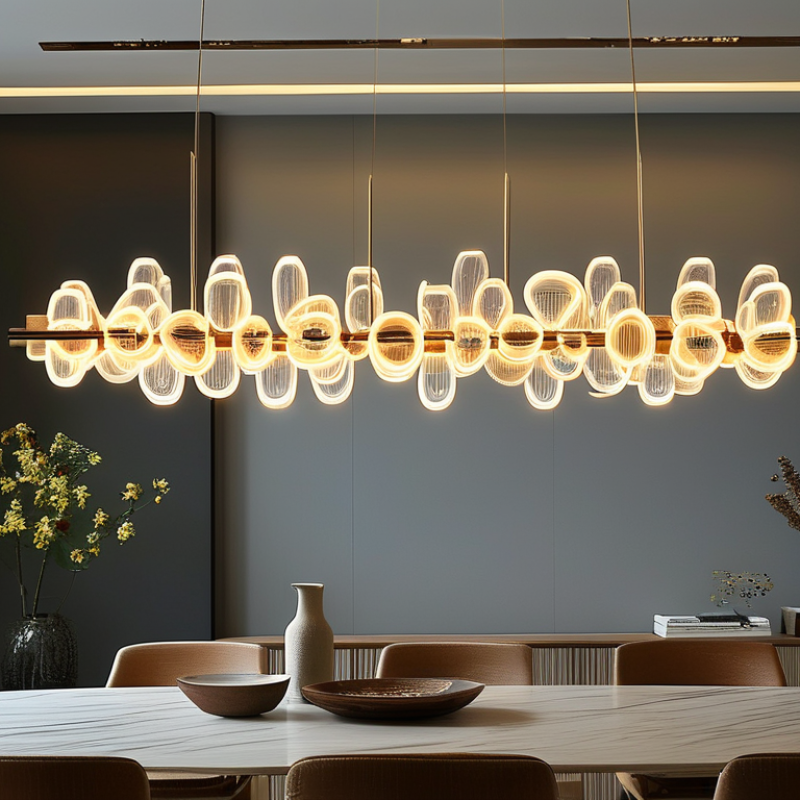
As we approach 2026, the linear light pendant market is evolving. Designers are embracing new styles that merge functionality with artistic expression. One emerging trend is the use of mixed materials. Think metal combined with natural wood or glass. This combination offers warmth and sophistication.
Another notable style is the use of bold, geometric shapes. These designs draw the eye and become conversation starters in any space. They create an edgy vibe without overwhelming the environment. Minimalist aesthetics continue to be popular, but with a twist. Expect cleaner lines and subtle details that capture attention without distraction.
Sustainability remains crucial. Eco-friendly materials are increasingly in demand, reflecting a global shift toward responsible design. However, balancing aesthetics and sustainability is challenging. Designers must innovate while maintaining visual appeal. This tension may spur creativity, leading to revolutionary designs that are both beautiful and earth-conscious.
2026 Trend Analysis of Linear Light Pendant Designs
Impact of Smart Technology on Linear Light Pendants Sales Trends
The rise of smart technology is transforming the landscape of linear light pendants. Buyers are increasingly looking for innovative features that enhance convenience and energy efficiency. Smart linear light pendants can be controlled remotely, allowing users to adjust brightness and color temperature with ease. This not only caters to modern living but also promotes energy conservation.
Tips for choosing a smart linear light pendant: prioritize features that suit your lifestyle. Explore pendants with programmable settings for different occasions. Also, consider compatibility with existing smart home systems. This ensures seamless integration and usability.
The challenge remains in the learning curve associated with new technology. Many users may feel overwhelmed by complex controls and functionalities. Simpler options, with intuitive apps or voice commands, can ease this transition for non-tech-savvy individuals. Prioritizing user-friendly designs will be essential for future success in this market.
Understanding consumer needs is key. Engaging with user feedback allows manufacturers to refine their products. This is vital in a competitive landscape. Continuous adjustments based on real user experiences can aid in driving sales and satisfaction.
2026 Top Linear Light Pendant Trends for Global Buyers - Impact of Smart Technology on Linear Light Pendants Sales Trends
| Trend |
Description |
Impact on Sales (%) |
Smart Feature Adoption (%) |
| Energy Efficiency |
Increasing use of LED technology to reduce energy consumption. |
20% |
45% |
| Smart Home Integration |
Compatibility with home automation systems and voice control. |
30% |
60% |
| Minimalist Designs |
Sleek and simple styles gaining popularity for modern aesthetics. |
25% |
25% |
| Customizable Features |
Offering adjustable colors and brightness settings. |
18% |
50% |
| Sustainable Materials |
Use of eco-friendly materials in product designs. |
22% |
35% |
Sustainability and Eco-Friendly Materials in 2026 Lighting Designs
With the growing emphasis on sustainability, the 2026 lighting designs are shifting towards eco-friendly materials. Designers are actively exploring options that minimize environmental impact. This trend reflects a broader commitment to ethical sourcing and responsible manufacturing practices.
Many manufacturers are now using recycled metals and sustainably harvested woods in their linear light pendants. This not only reduces waste but also adds a unique aesthetic appeal to each piece. The use of energy-efficient LEDs is also on the rise. They consume less power and have a longer lifespan, addressing both economic and environmental concerns.
Tip: Consider the lifecycle of a product when making purchasing decisions. Sustainable materials often lead to a lower carbon footprint over time.
While the movement toward eco-friendly designs is promising, it presents challenges. Sourcing quality materials consistently can be complex. Some designs might prioritize aesthetics over true sustainability, leading to doubts about their impact.
Tip: Research the manufacturer’s sourcing practices. Understanding their methods can help ensure your choice aligns with sustainable values.
Ultimately, the challenge lies in balancing beautiful design with genuine sustainability. A thoughtful approach will elevate lighting design in 2026 and beyond.
Market Forecast: Linear Light Pendant Growth Rates and Consumer Demands
As we approach 2026, the linear light pendant market is set for notable growth. Consumers are increasingly favoring sleek, minimalist designs.
Energy efficiency is a priority for buyers. They desire lighting that combines form and function seamlessly. This demand is driving innovation in design and technology.
New styles are emerging, catering to diverse aesthetic preferences.
Market forecasts suggest a robust upward trend in linear light pendant sales. Architects and interior designers are embracing these fixtures.
Versatile applications in residential and commercial spaces boost their appeal. However, the challenge lies in meeting sustainability demands.
Brands must address eco-friendly materials without sacrificing design. Consumer education about light quality and energy consumption is essential.
Yet, some consumers are still hesitant. They question the long-term benefits versus initial costs.
This hesitation can impact market growth. Addressing these concerns through transparent information is crucial.
Consumers want assurance about their investment. Only time will reveal how effectively the industry adapts to these evolving demands.
Regional Preferences: Global Buyers' Choices in Linear Lighting Solutions
As the demand for linear lighting solutions continues to grow, regional preferences play a critical role in shaping design choices. A recent market report indicates that the global linear lighting market is expected to reach approximately $6.5 billion by 2026, highlighting significant opportunities for buyers worldwide. Different regions showcase unique tastes influenced by culture and architecture. For instance, European buyers often lean towards minimalist designs, while North American consumers show a preference for versatile installations.
Tips: Always consider local aesthetics when selecting linear lights. Understanding cultural influences can lead to more effective choices.
Moreover, the rise of sustainability consciousness is driving buyers to seek energy-efficient solutions. A significant portion, about 70%, of global buyers now prefer LED linear lighting due to its low energy consumption and durability. Asia-Pacific regions emphasize innovative tech integration, aligning with modern lifestyle demands. However, some buyers still struggle with balancing innovation and tradition, sometimes hindering their selection process.
Tips: Explore local trends to avoid common pitfalls in lighting choices. Keep an eye on emerging technologies for better decision-making.